Global Human Trafficking Efforts: Impact, Operations & Survivor Support
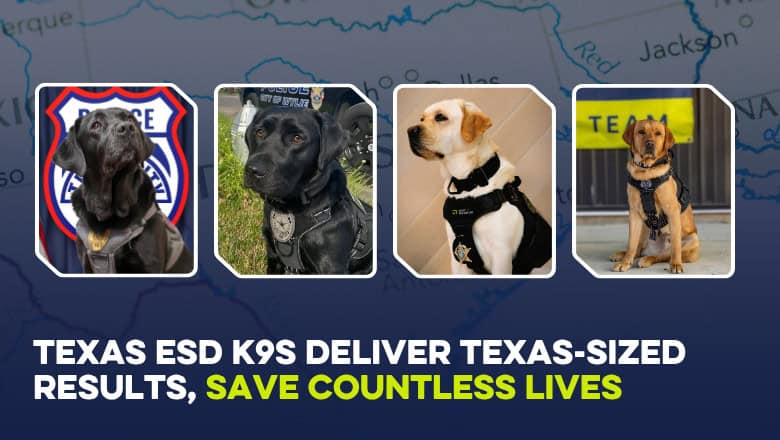
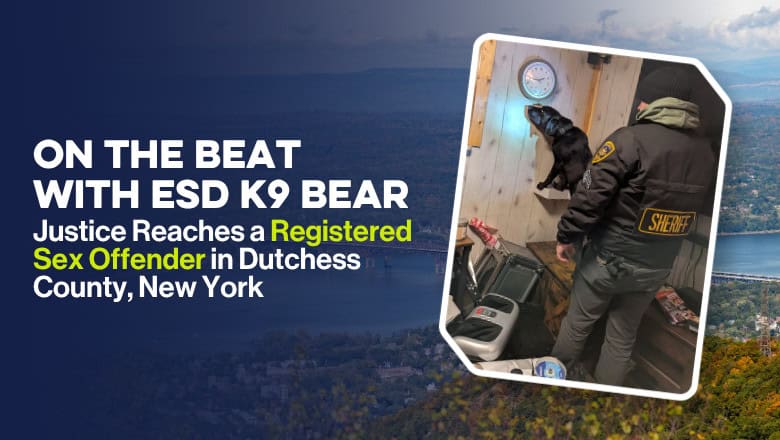
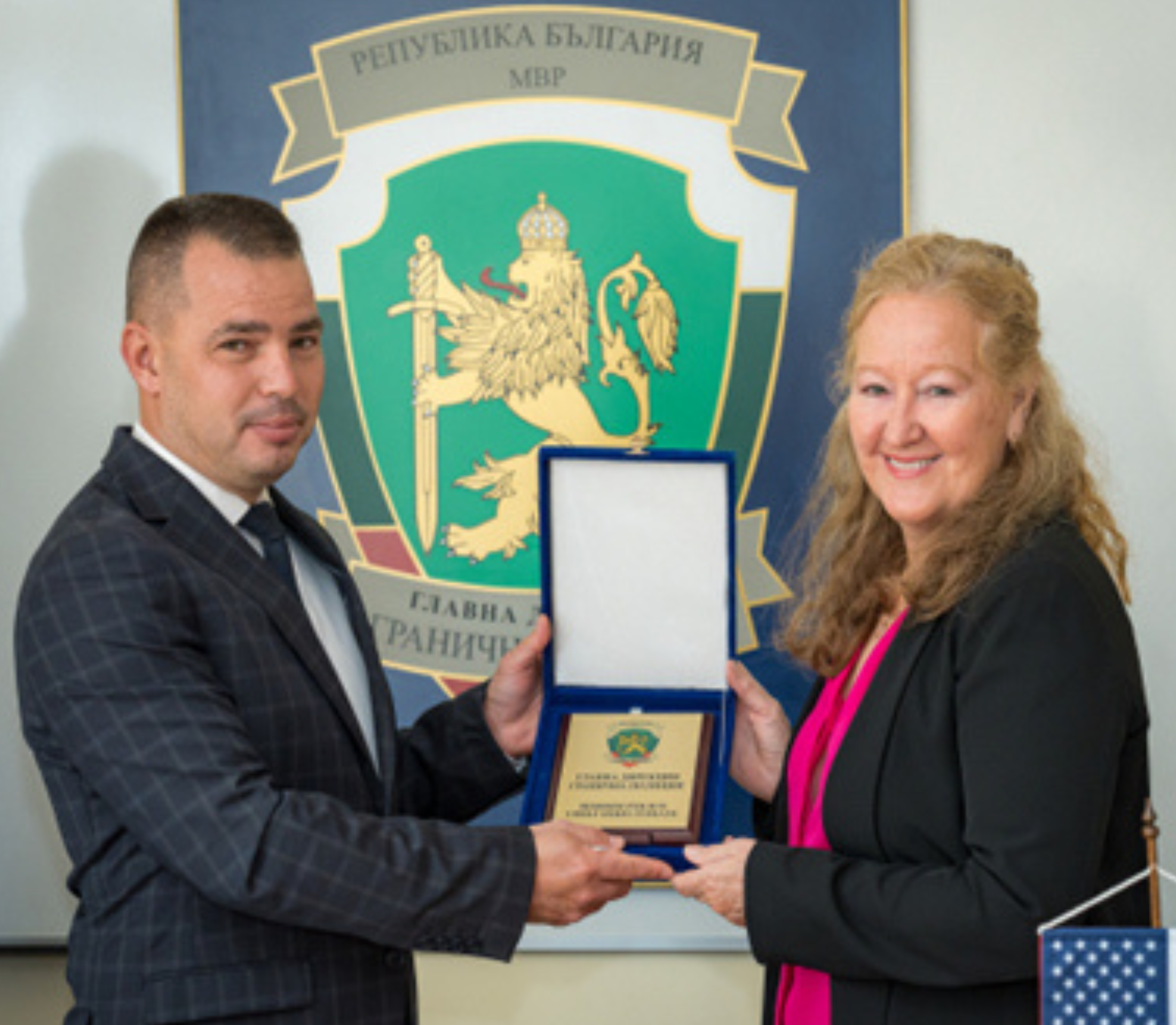
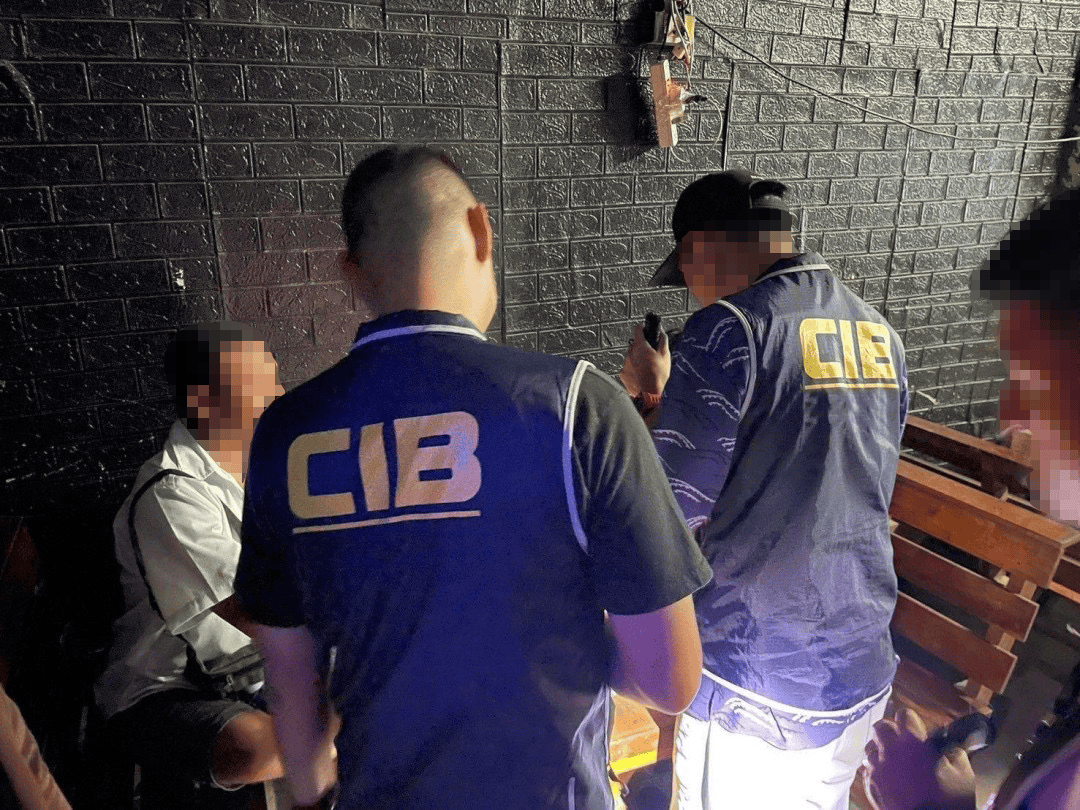
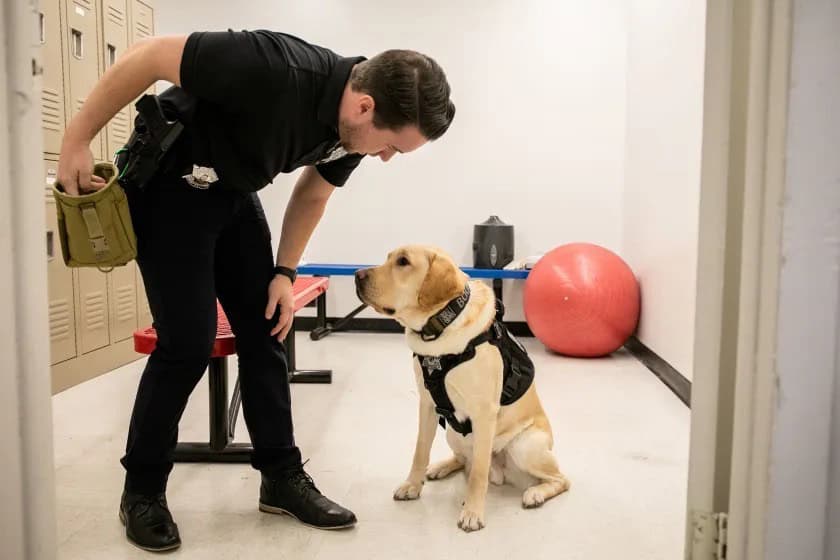
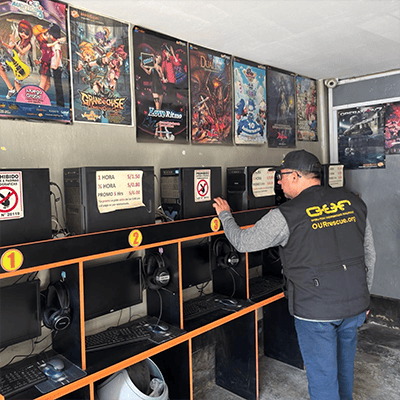
Explore how global human trafficking efforts are making an impact across regions through field operations, survivor care, and prevention programs. This section highlights the work being done on the ground to combat trafficking, support survivors, and strengthen communities through training and education.
Interested in Learning More About What You Can Do?
If you want to take action or understand how to combat human trafficking and child sexual exploitation, explore our comprehensive resources on what Our Rescue does. And if you're ready to make an immediate impact, your donation today helps provide critical support for rescue operations, survivor care, and prevention efforts.
What do global human trafficking efforts actually look like on the ground?
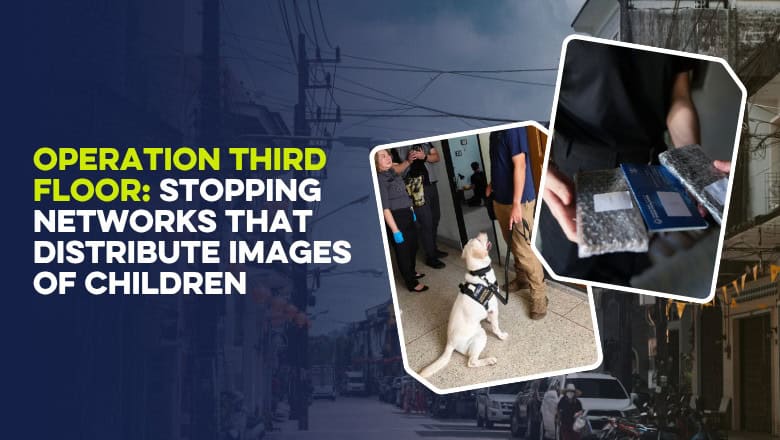
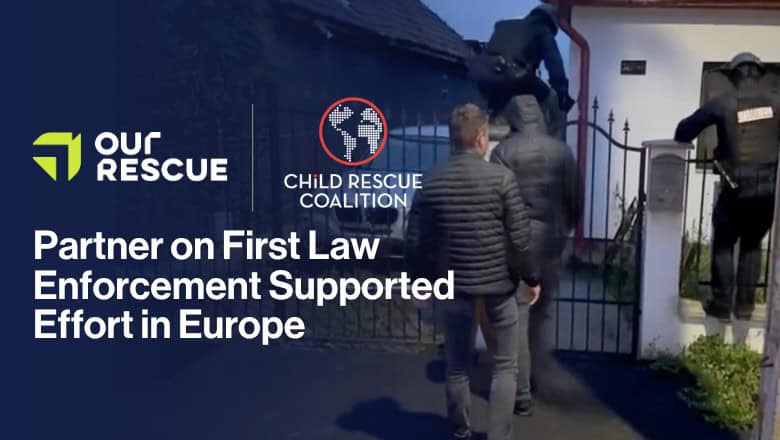
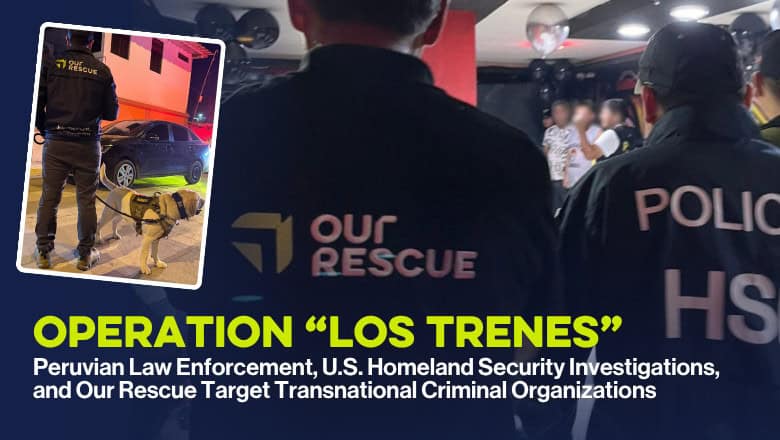
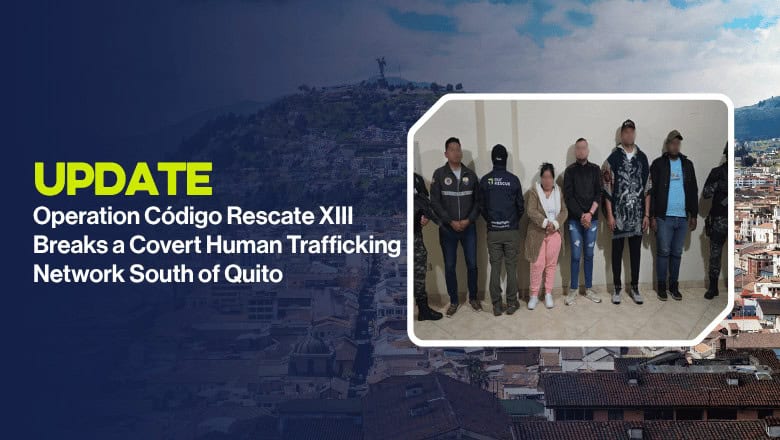
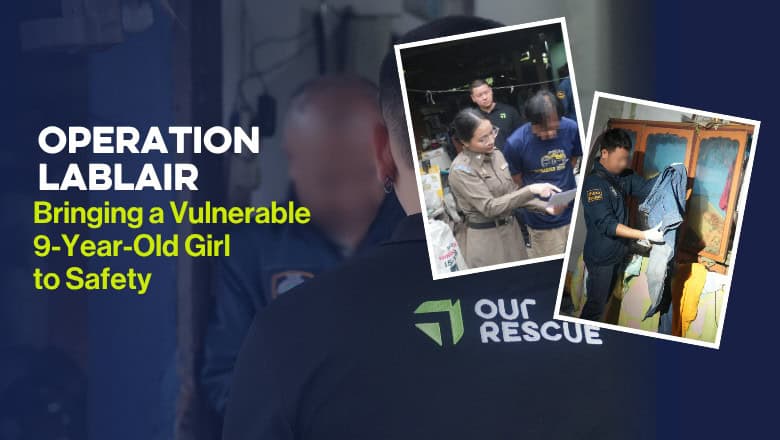
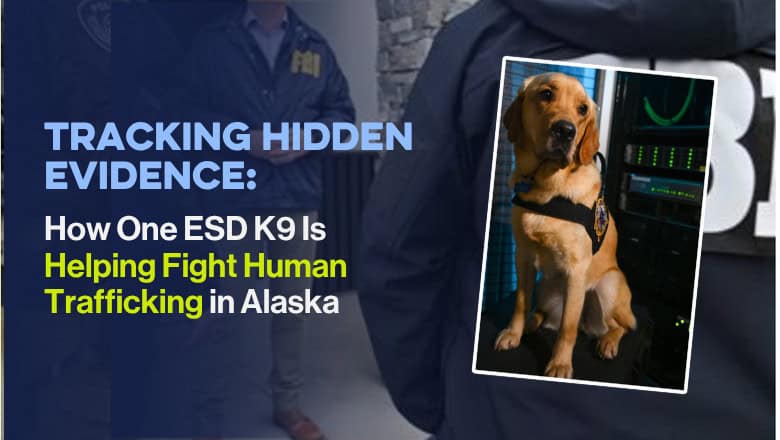
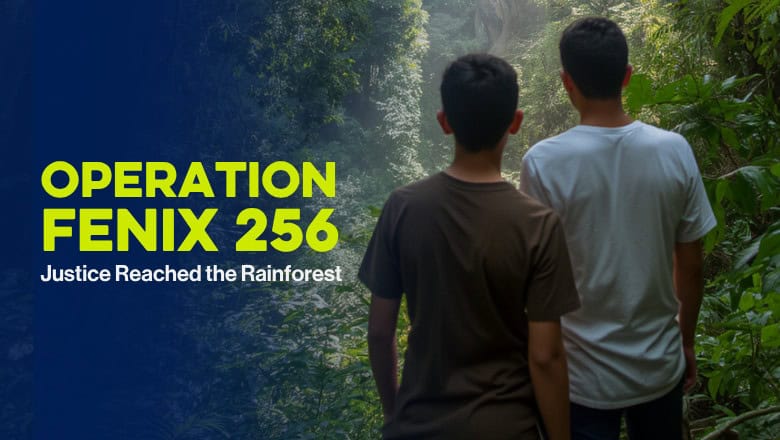
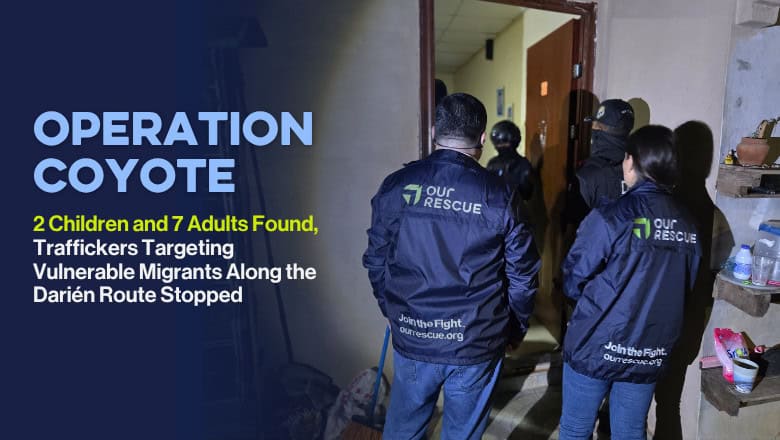
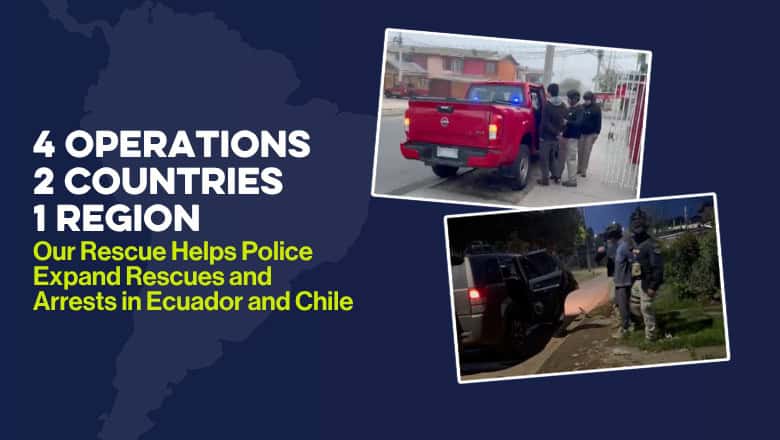
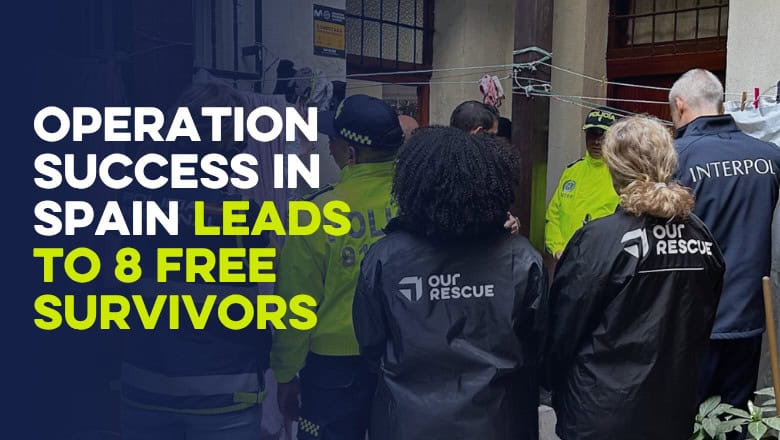
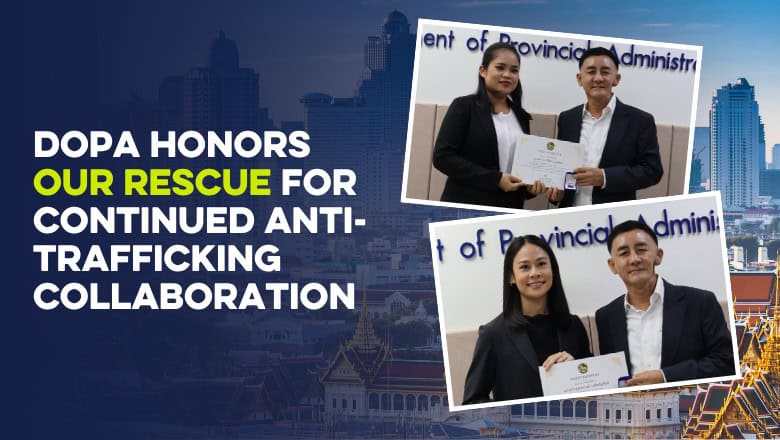
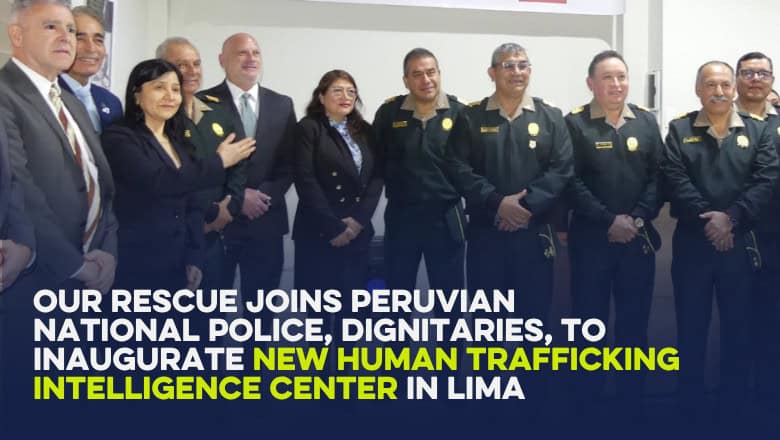
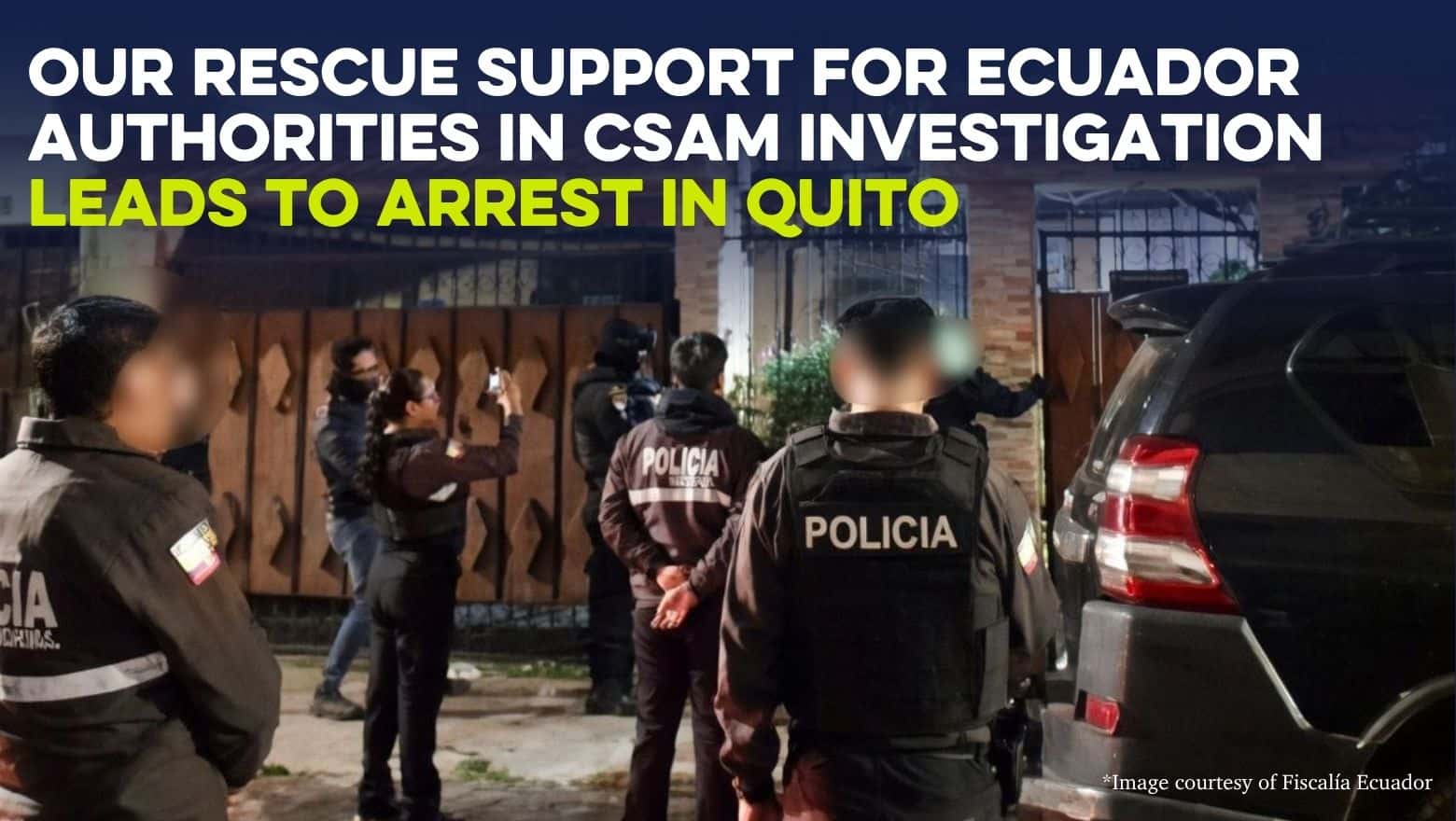
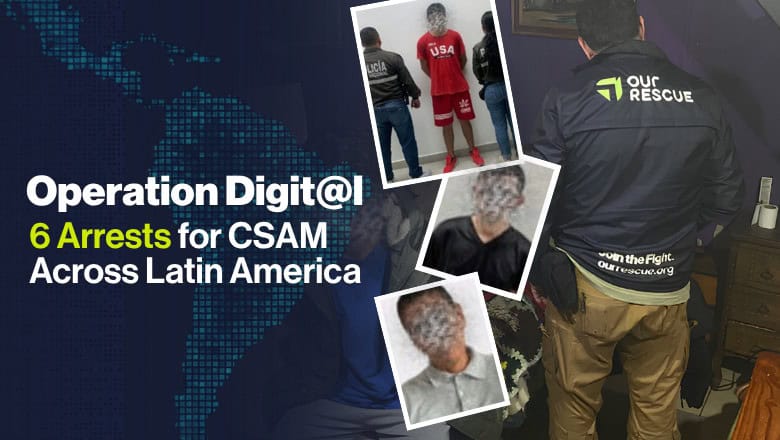
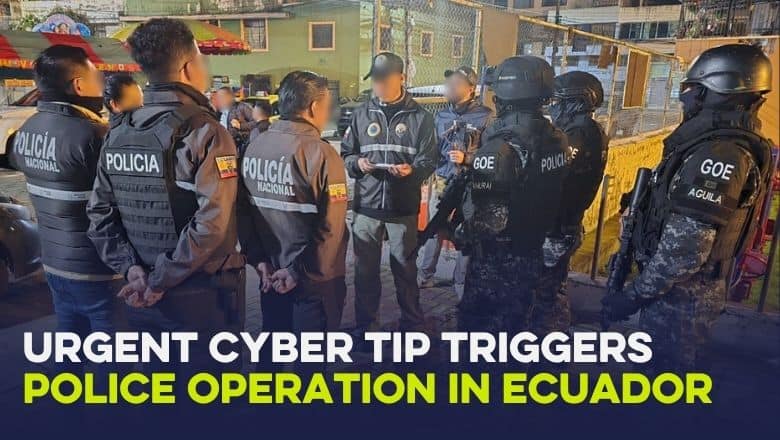
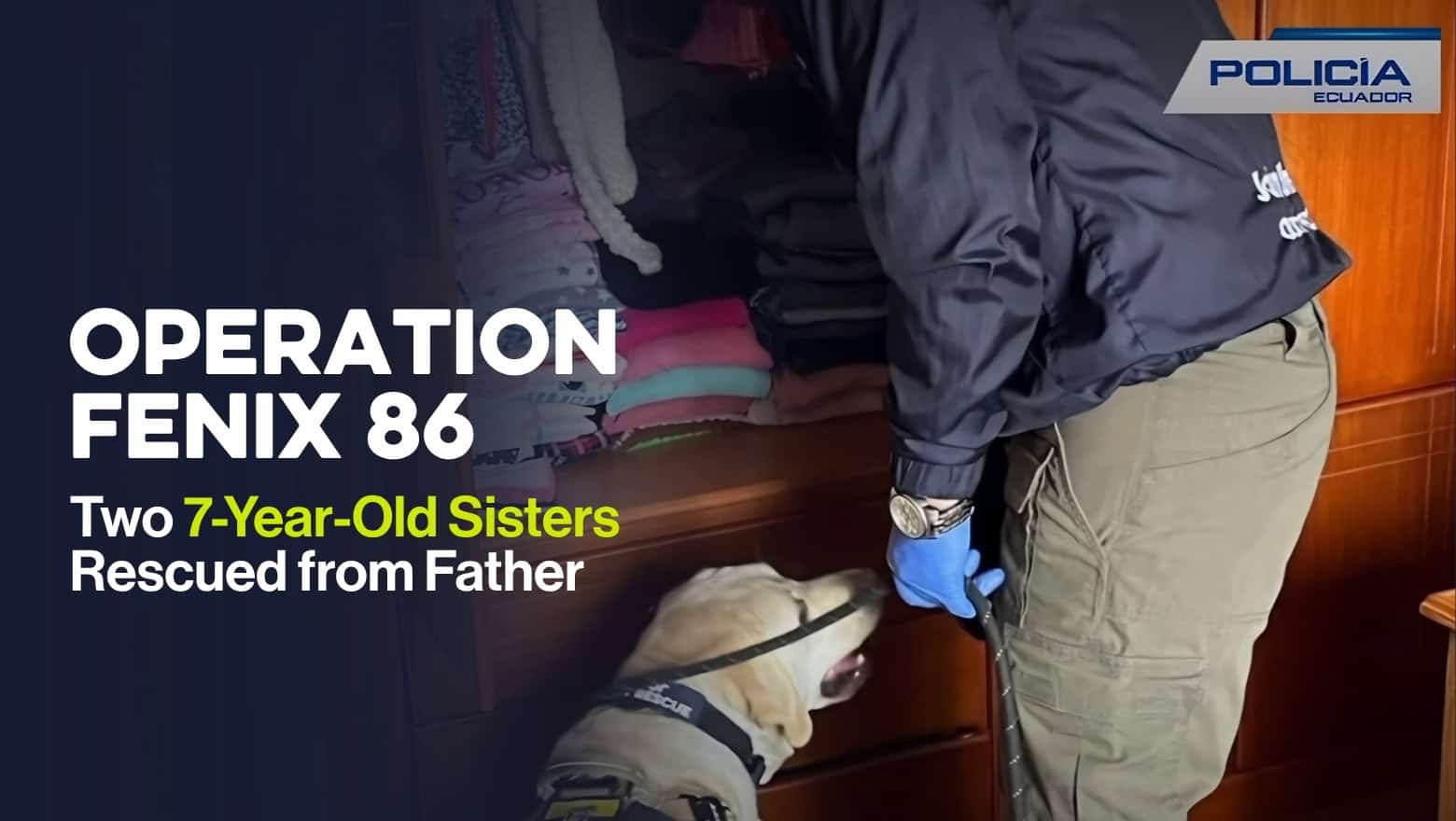
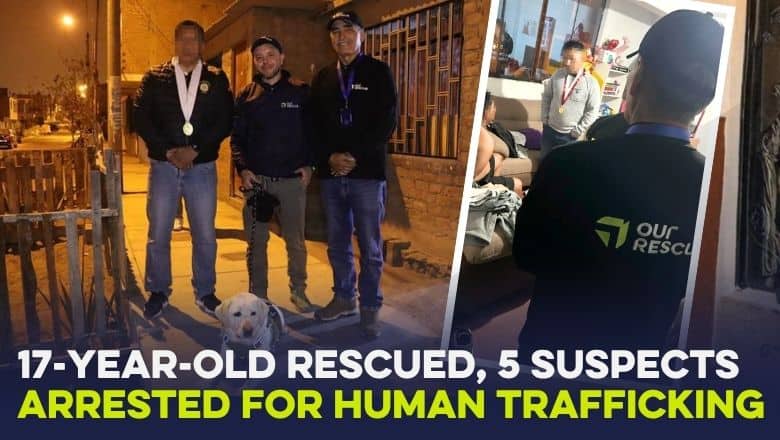
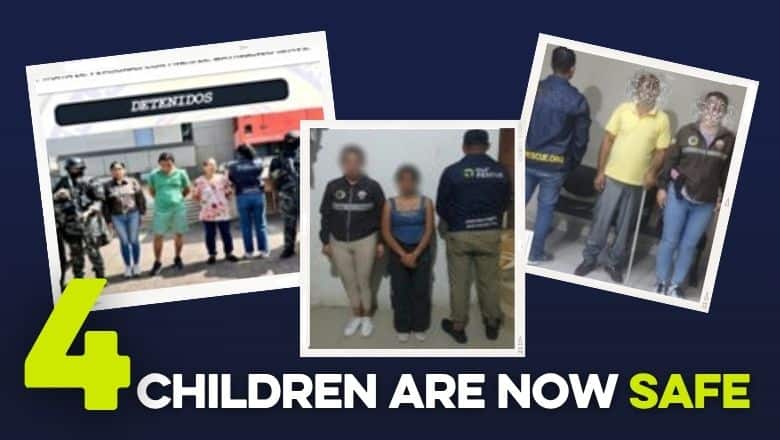
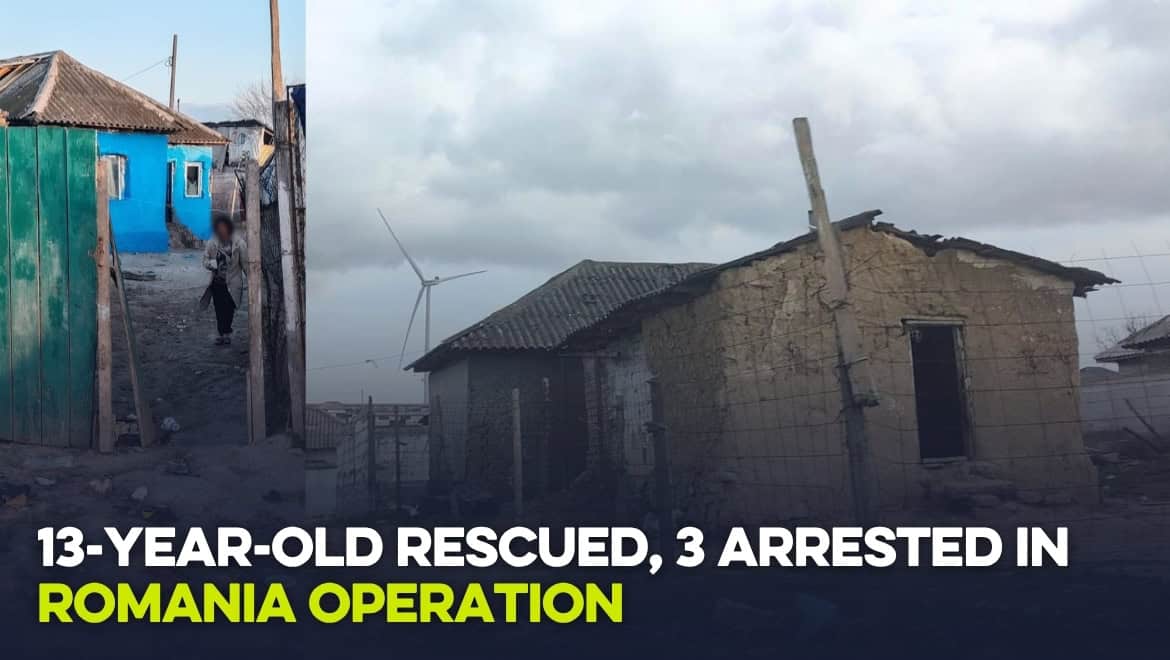
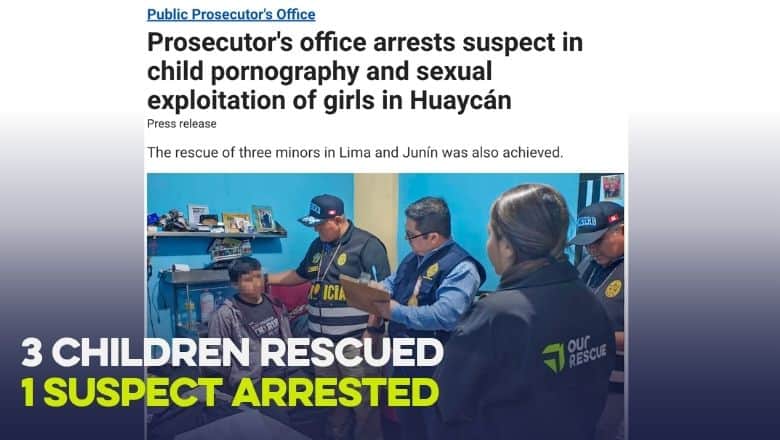
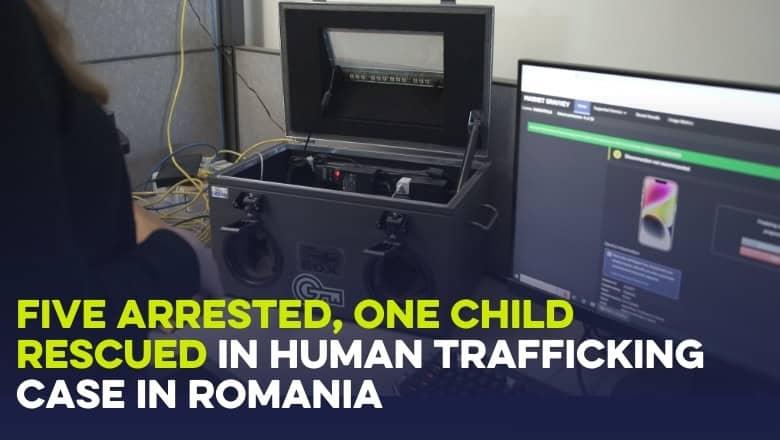
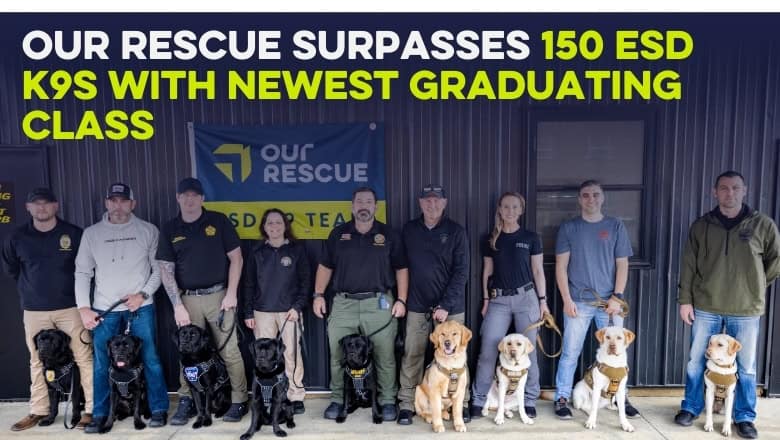
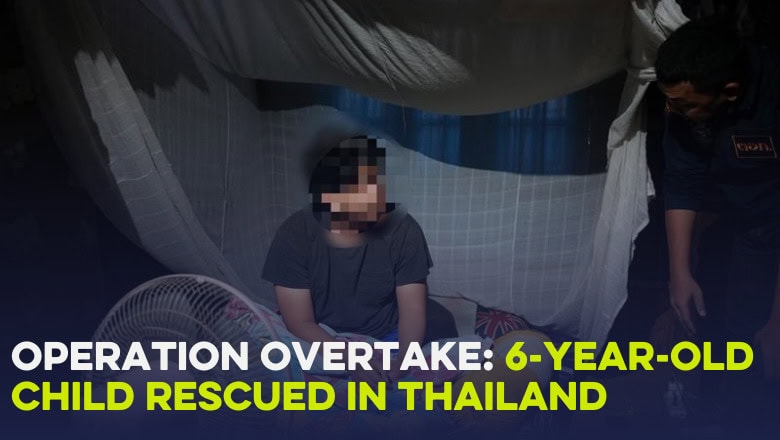
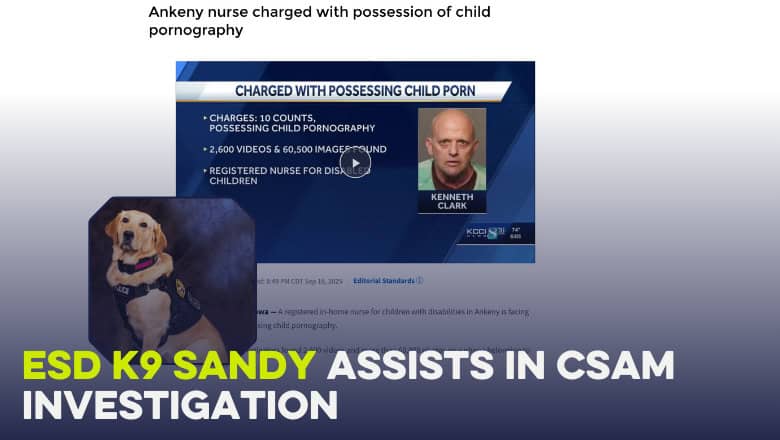
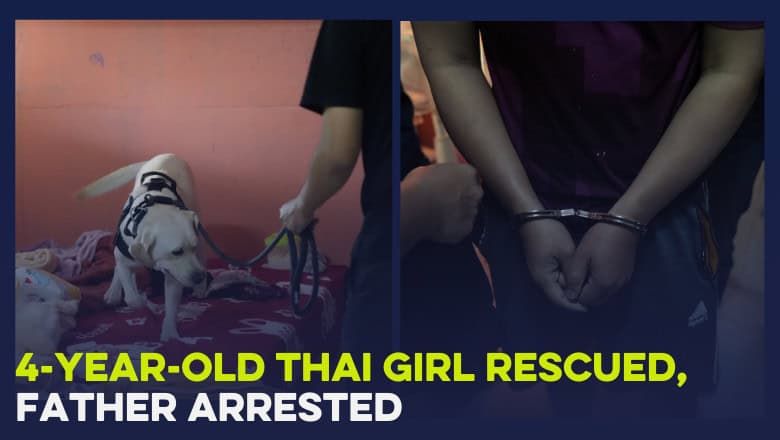
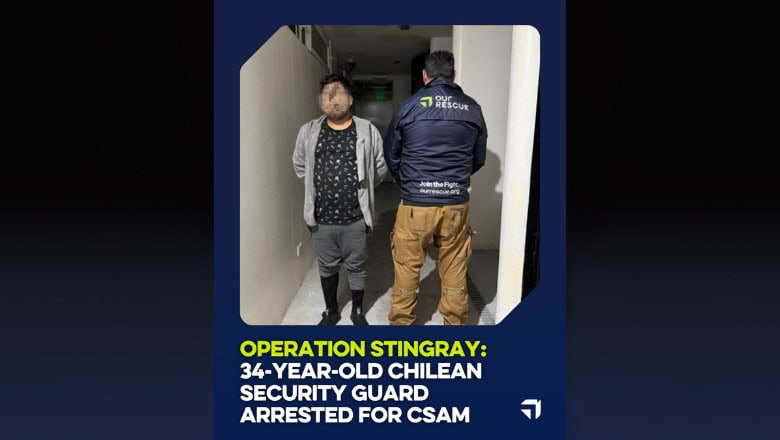
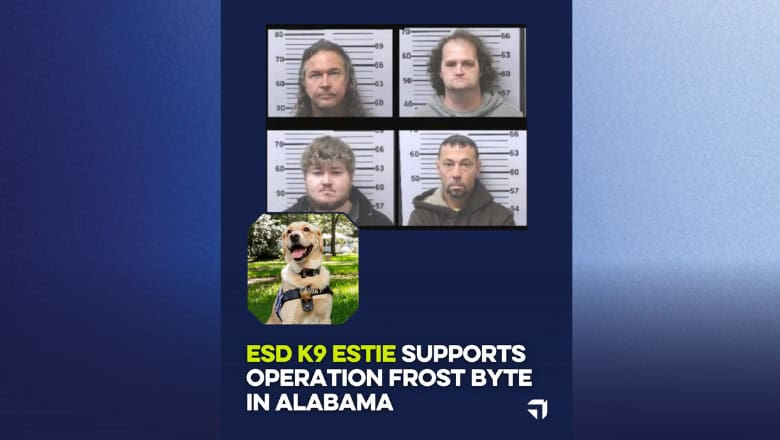
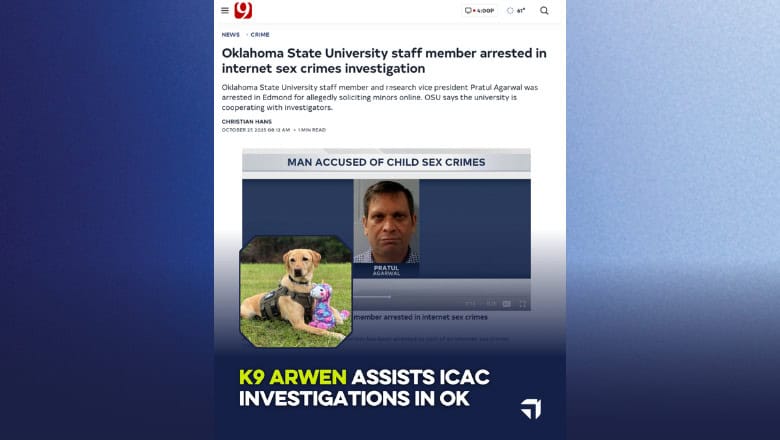
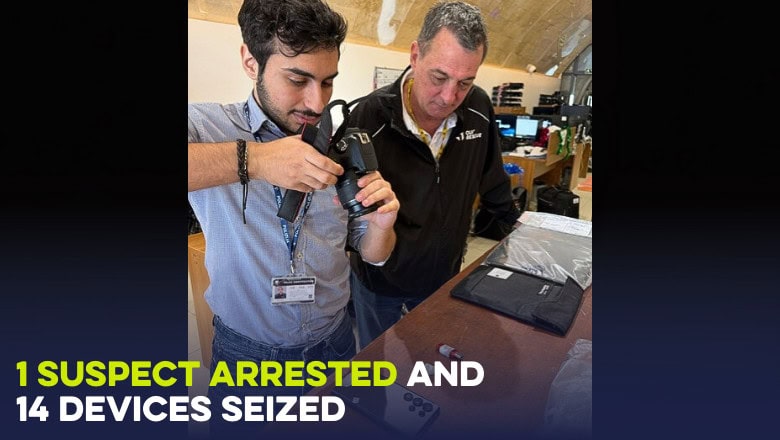
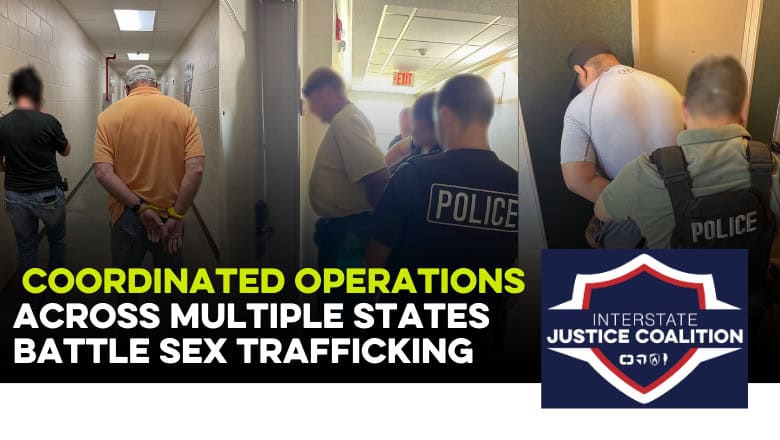
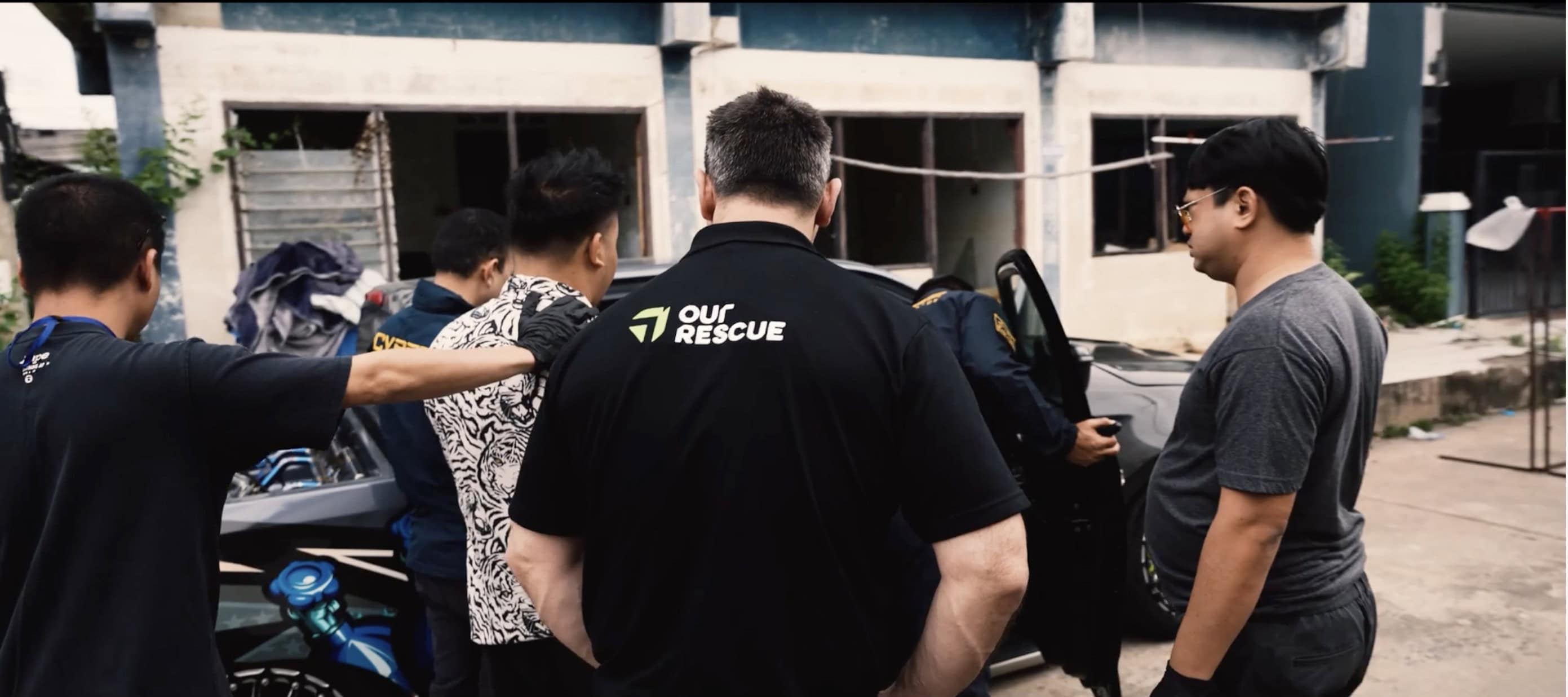
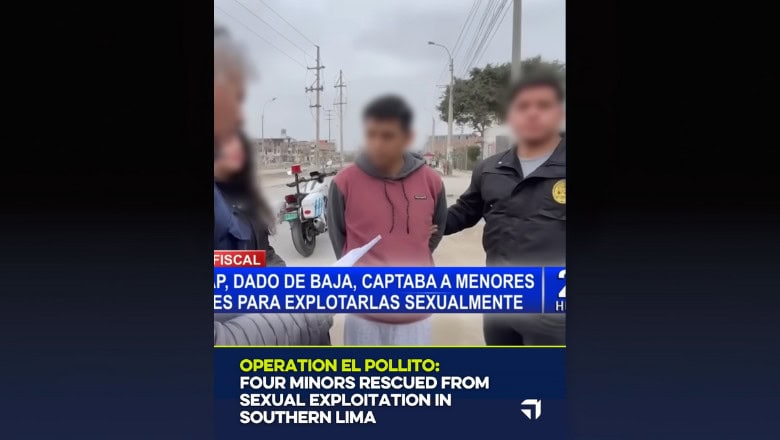
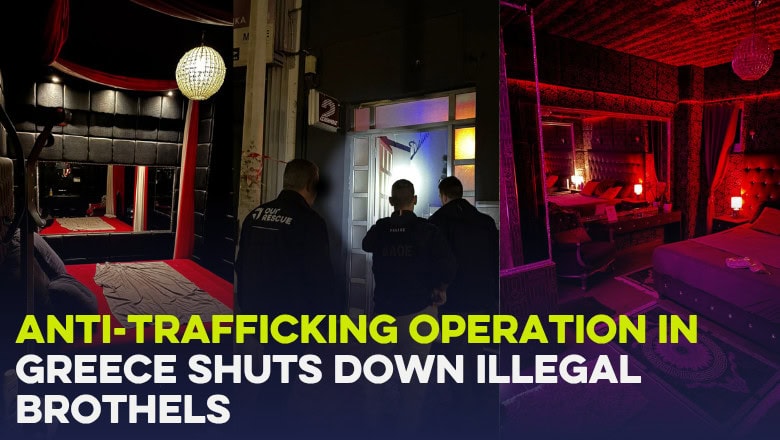
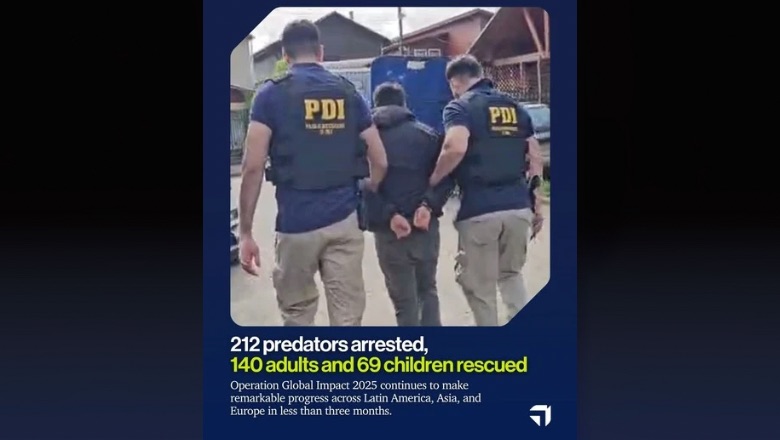
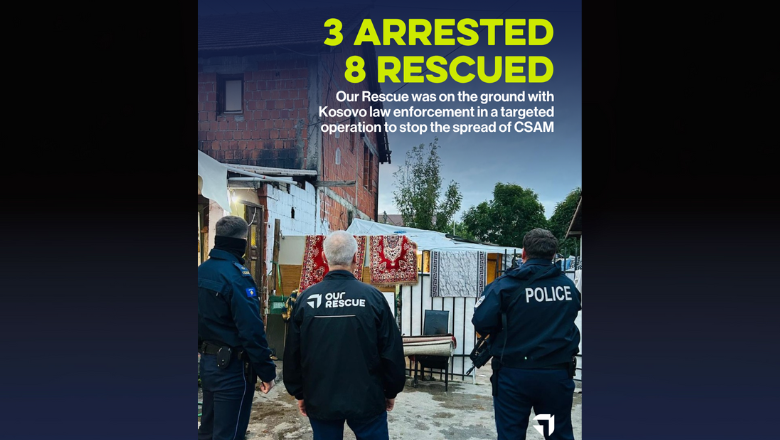
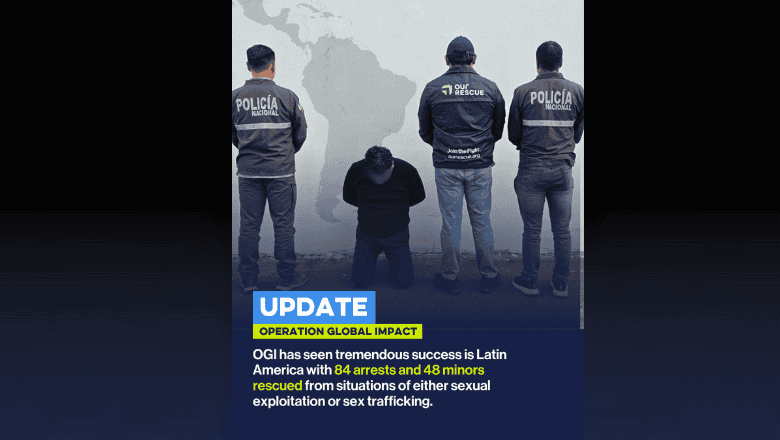
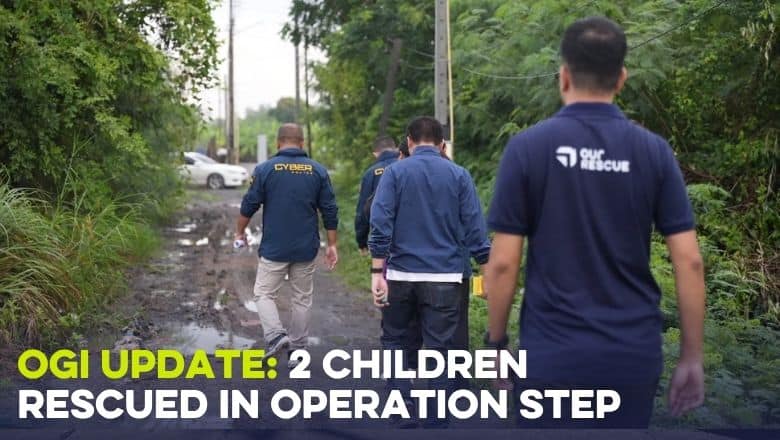
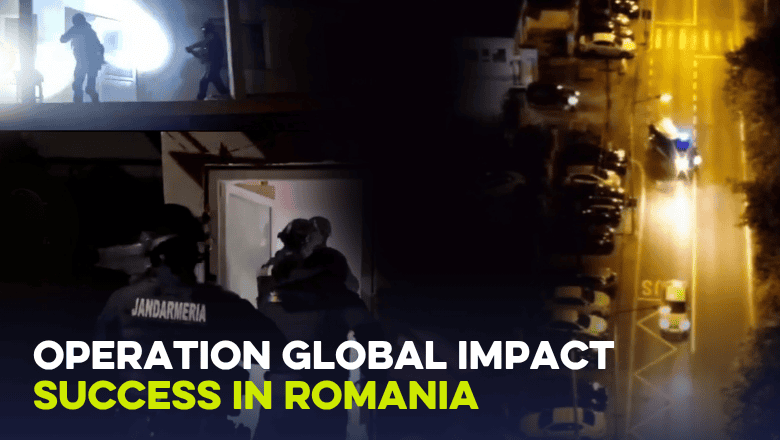
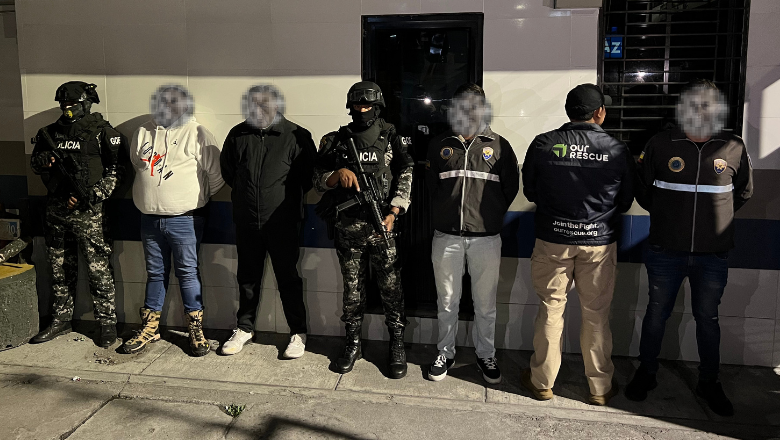
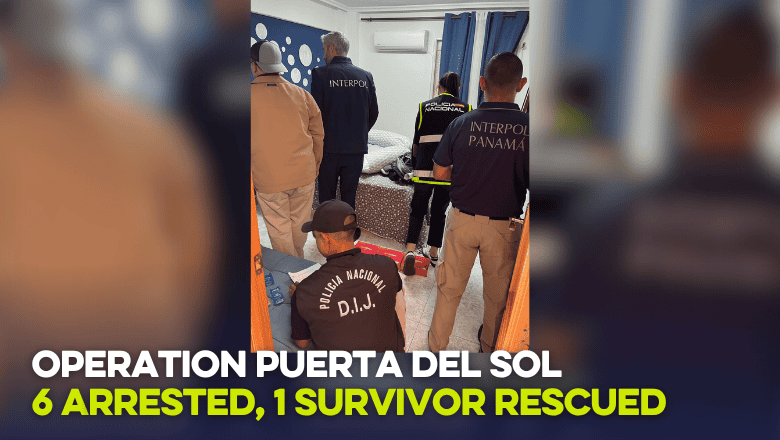
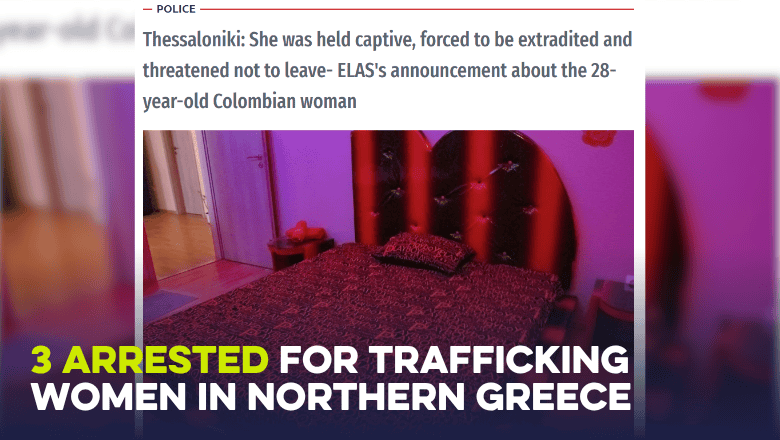
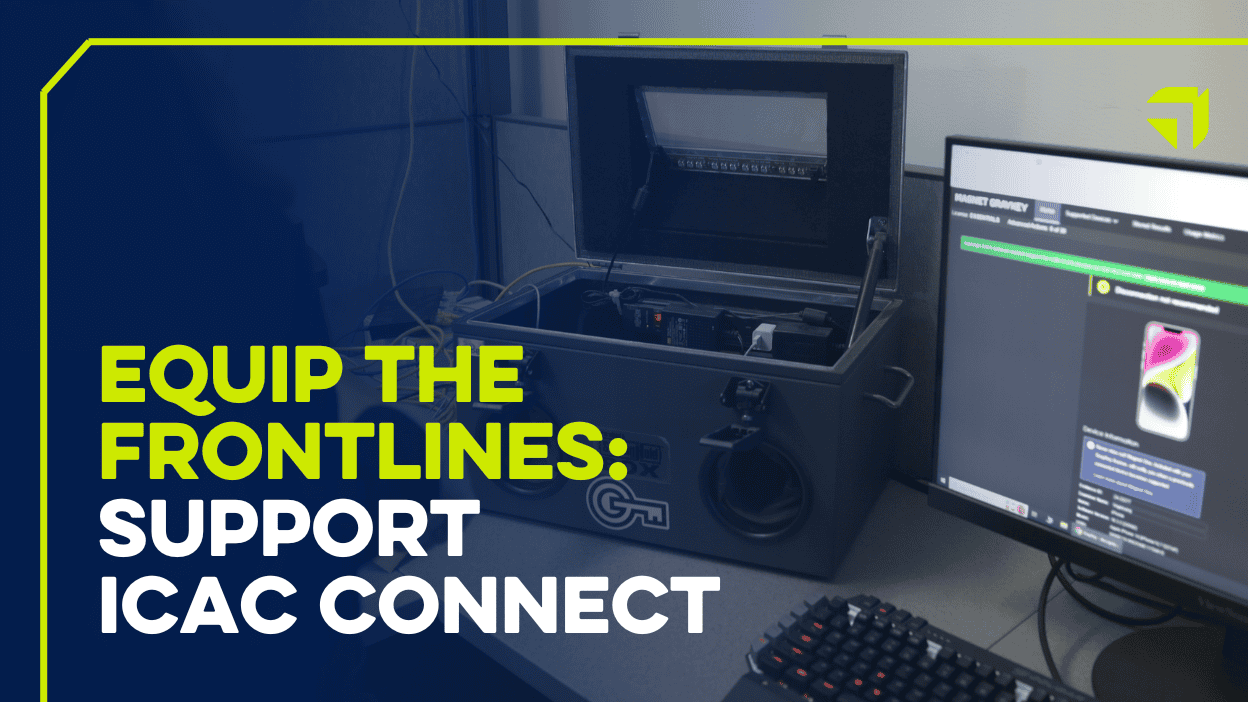
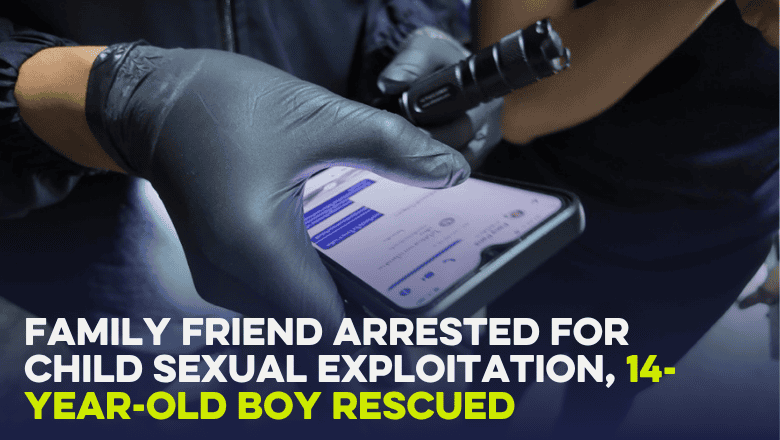
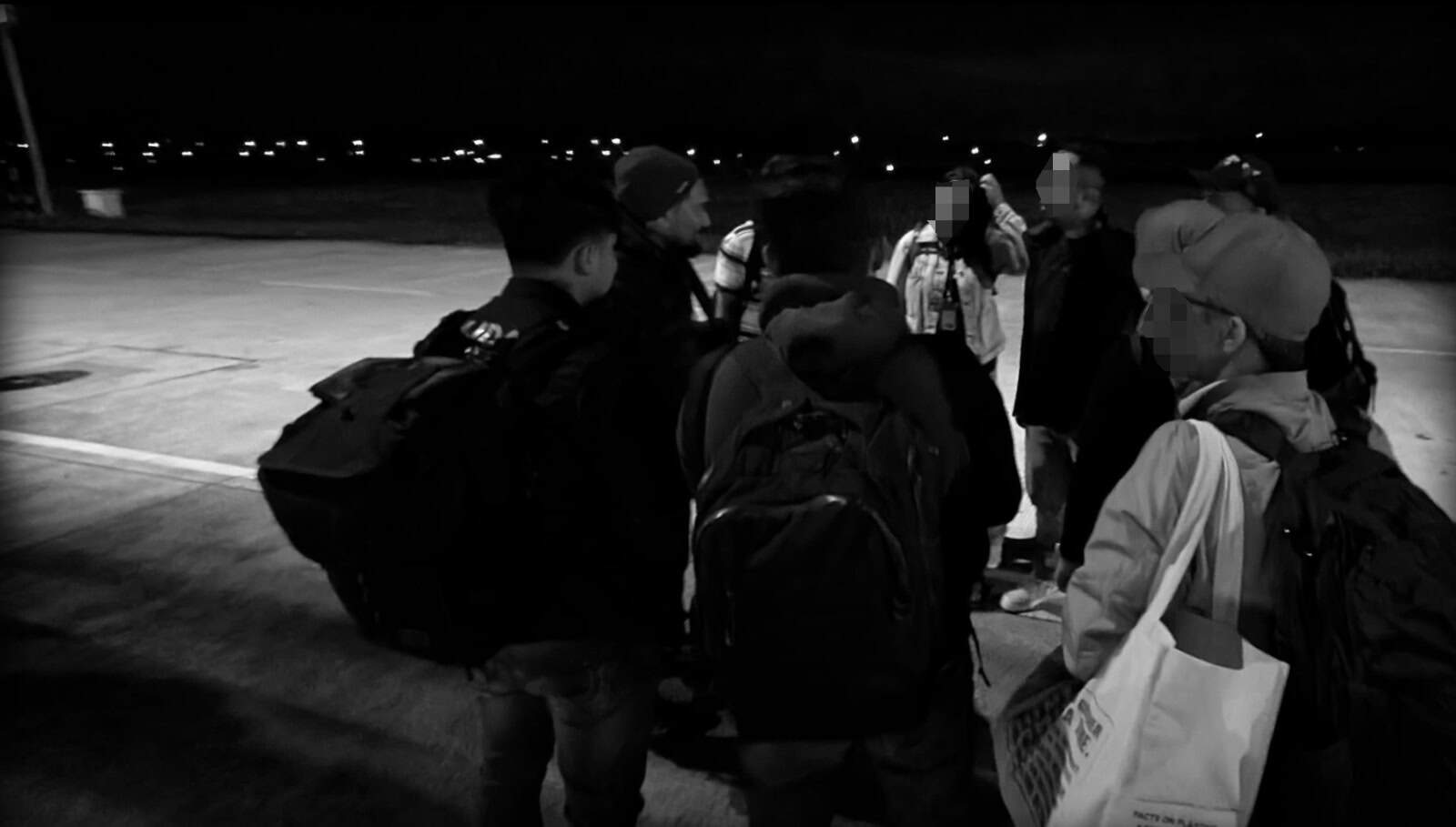
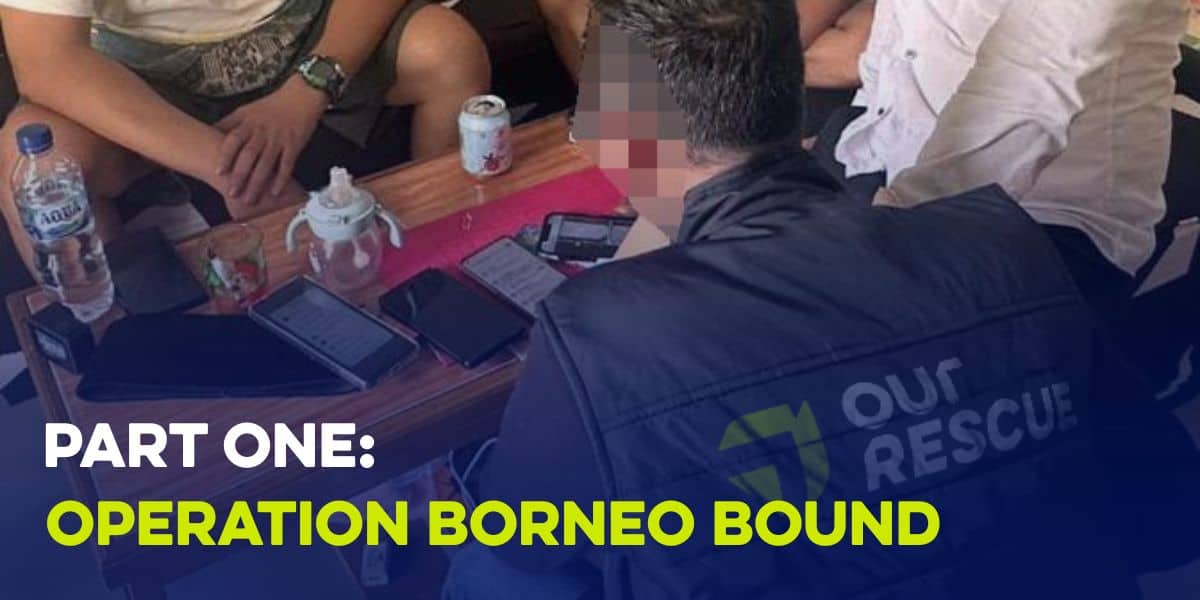
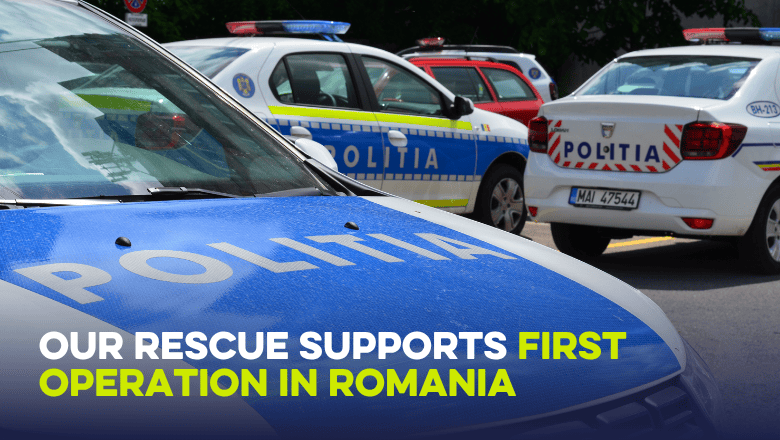
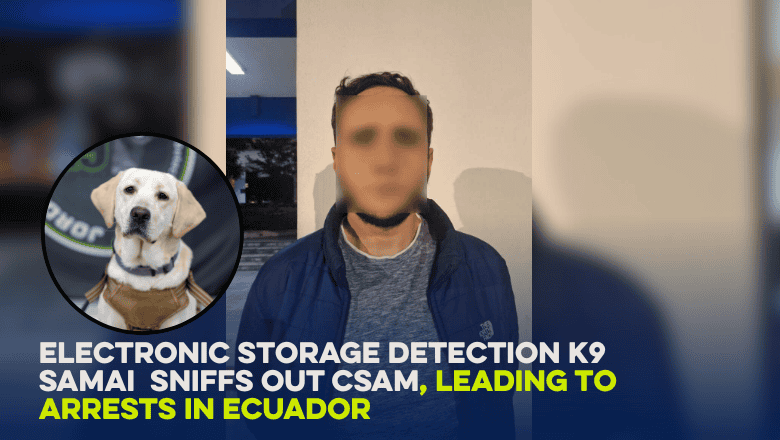
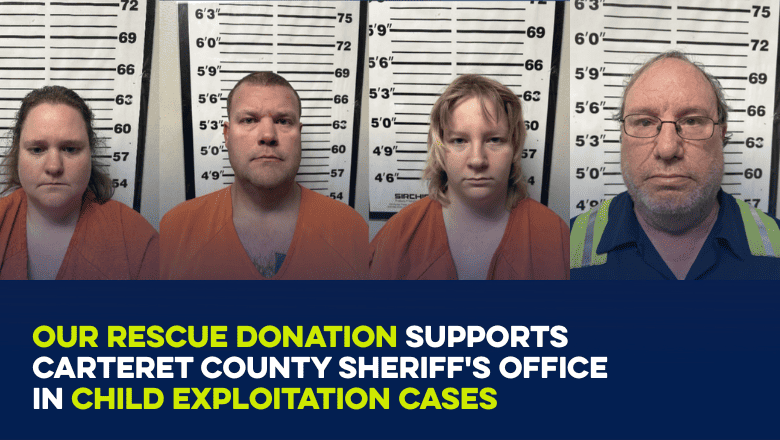
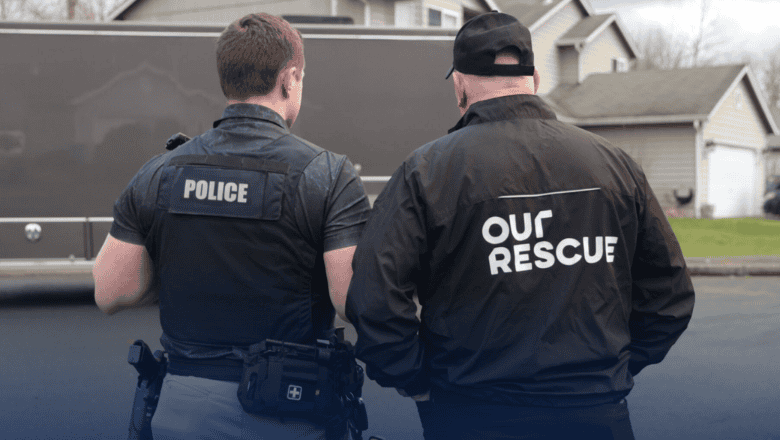
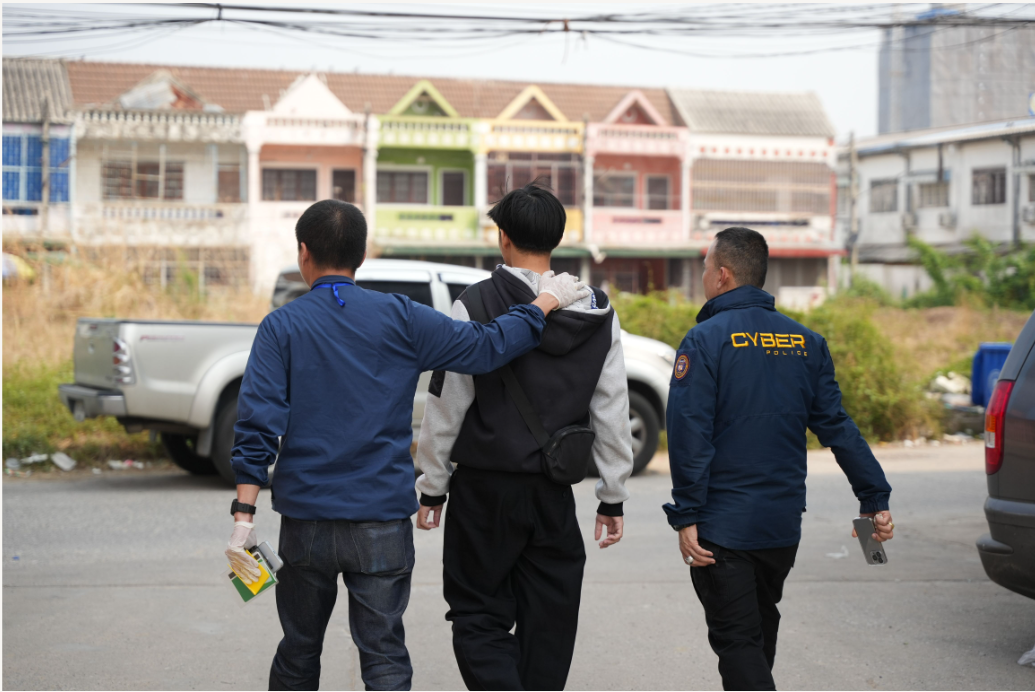
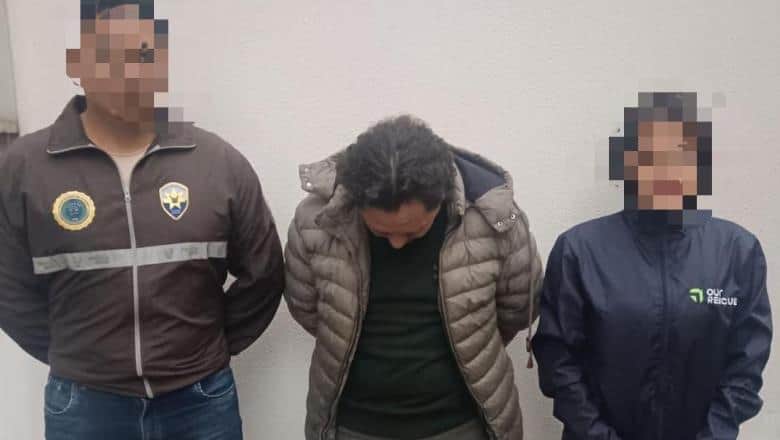
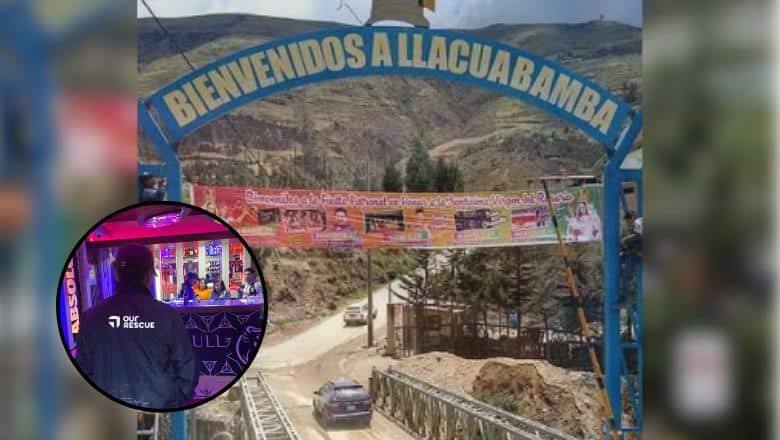
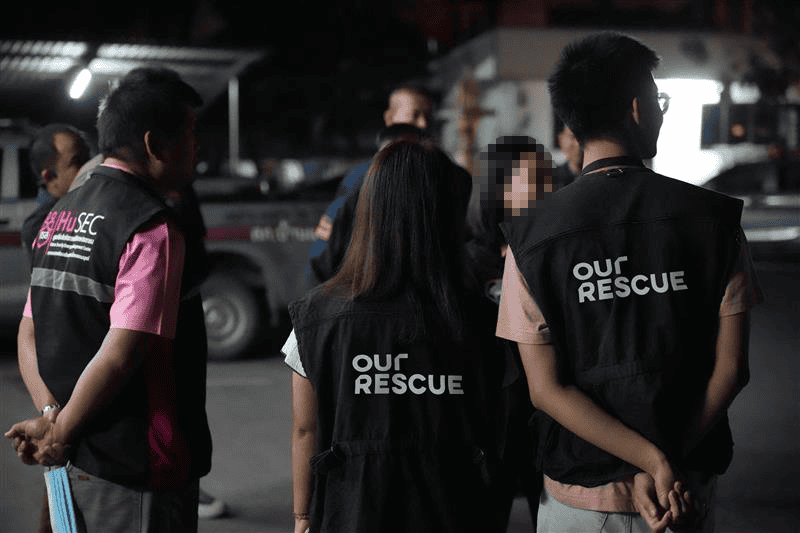
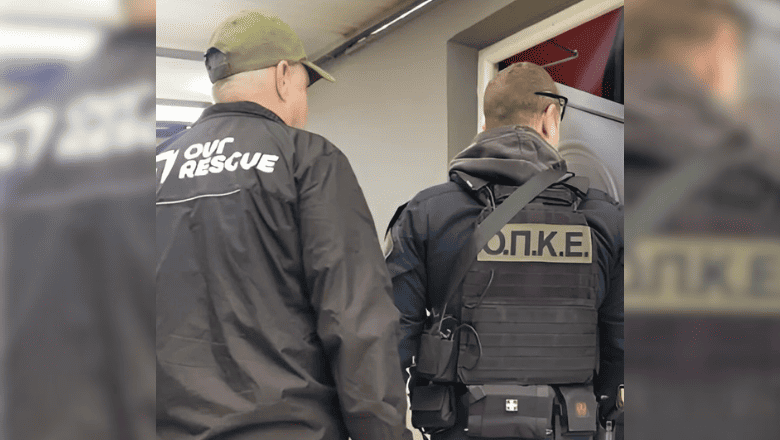
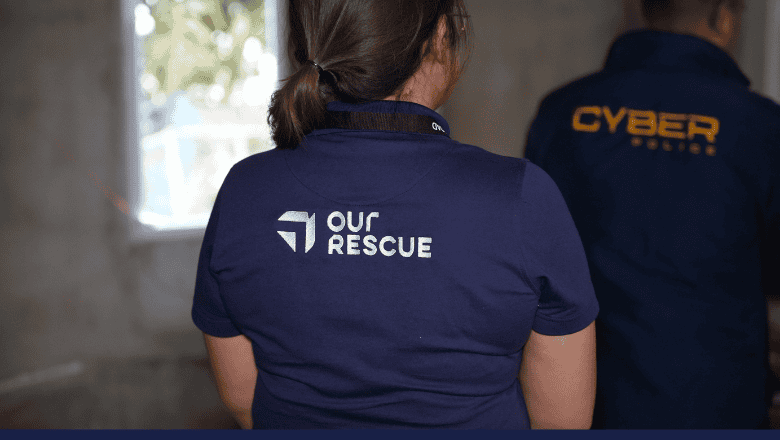
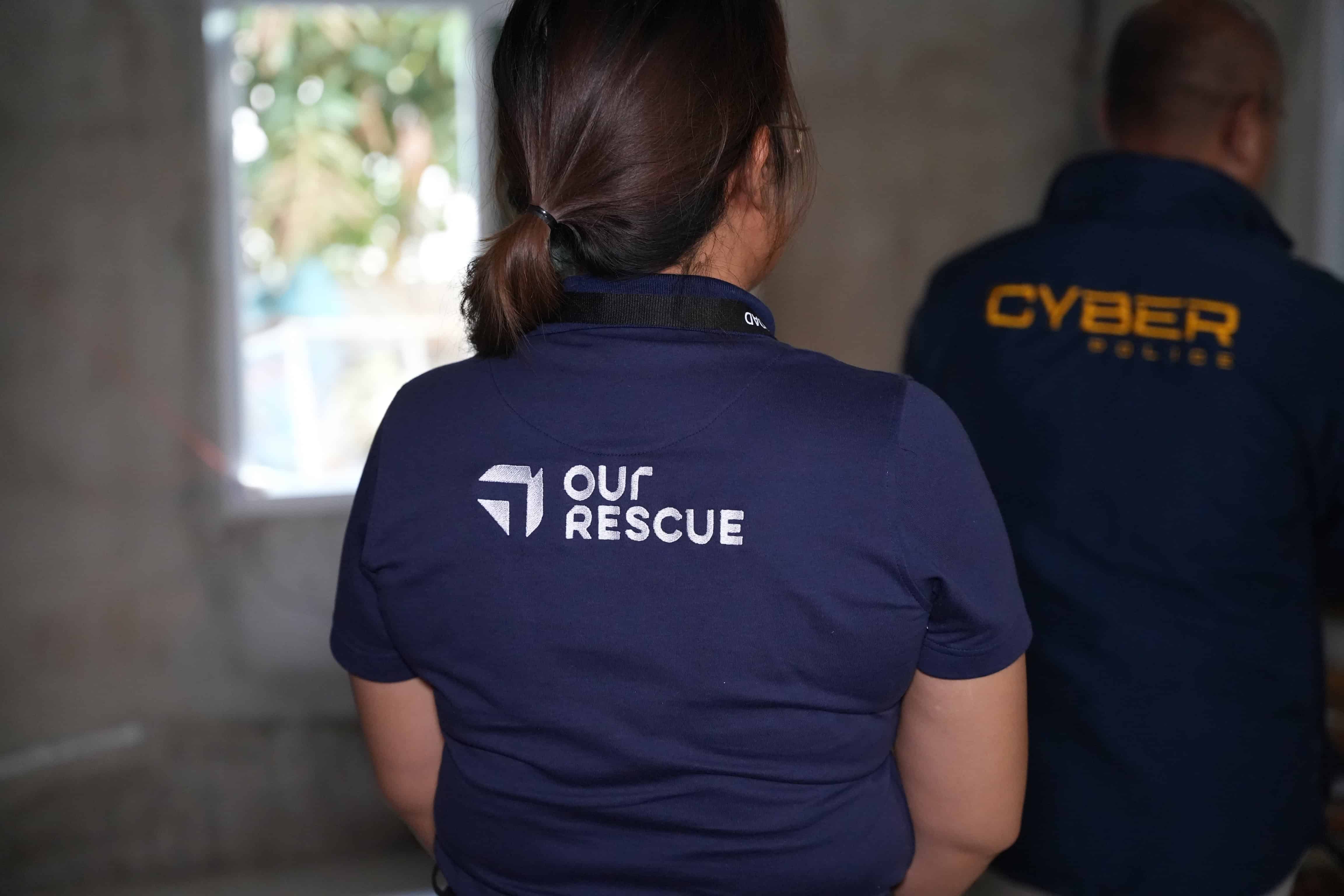
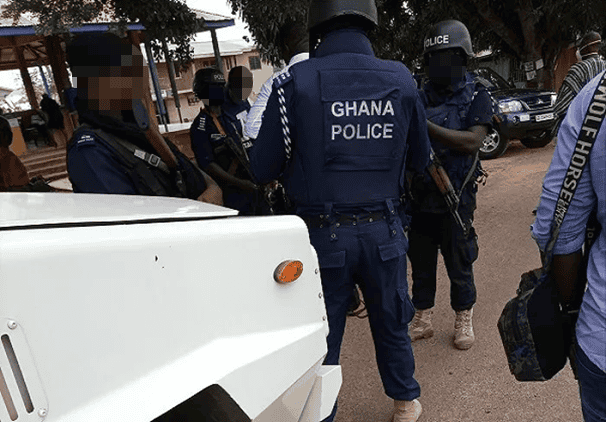
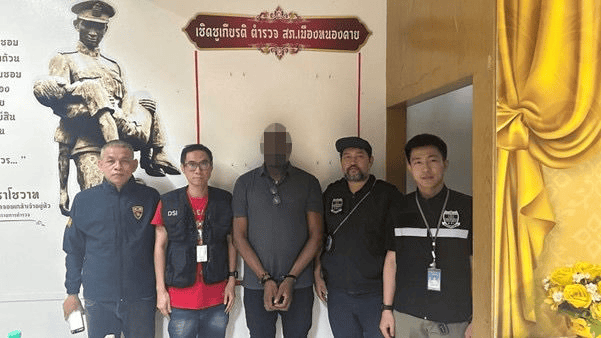
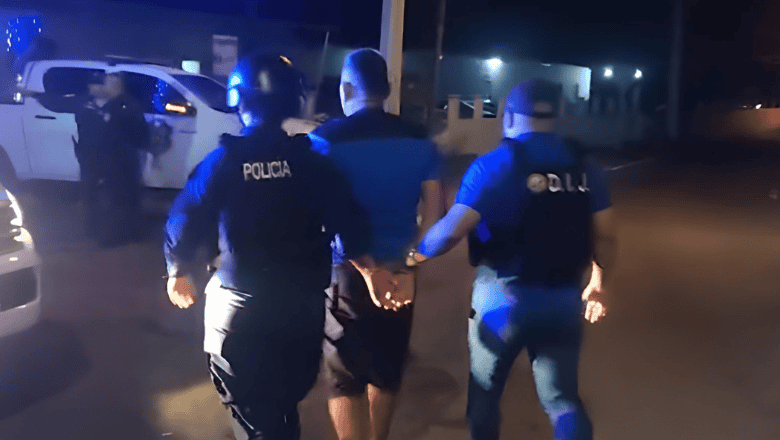
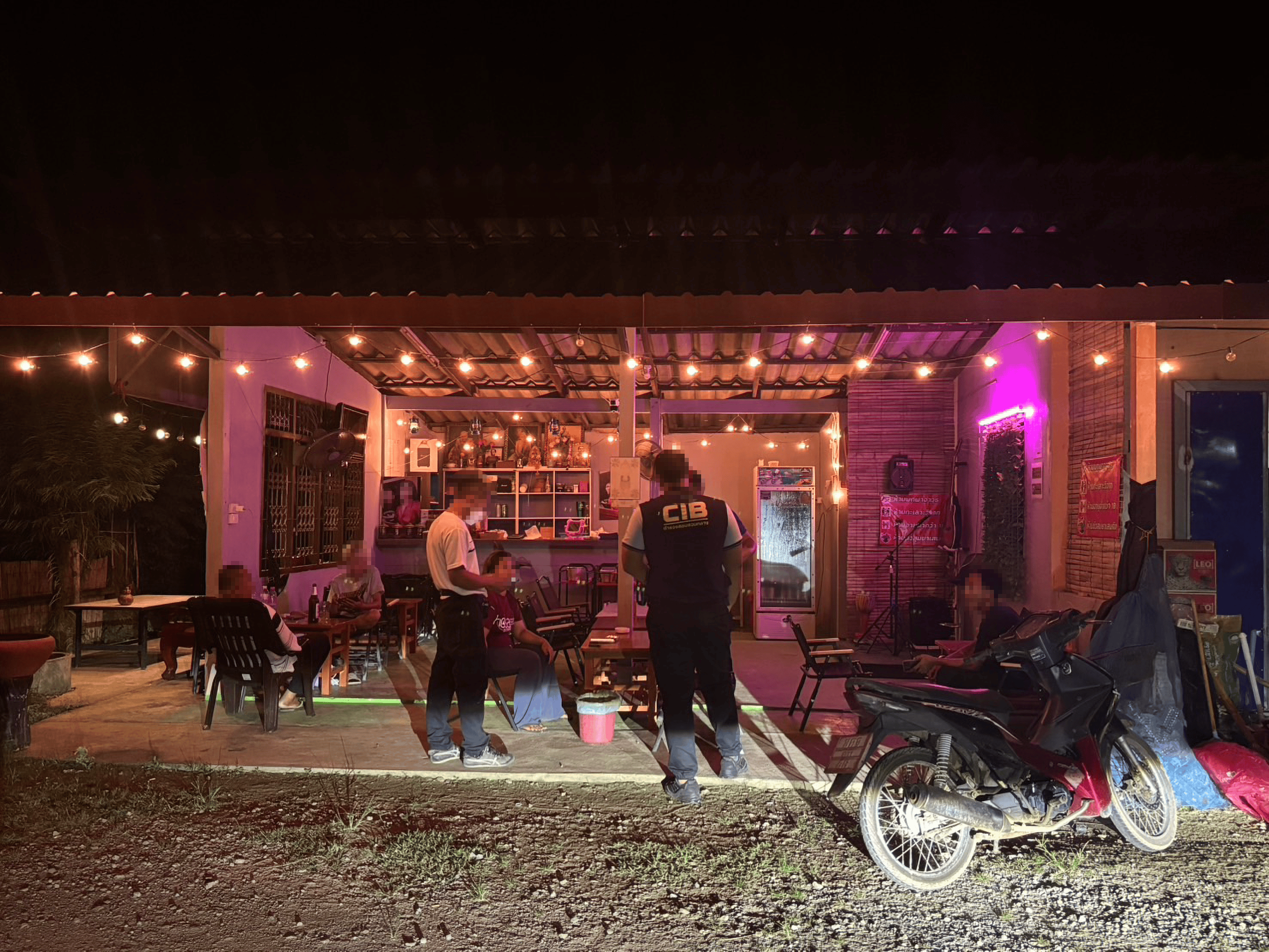
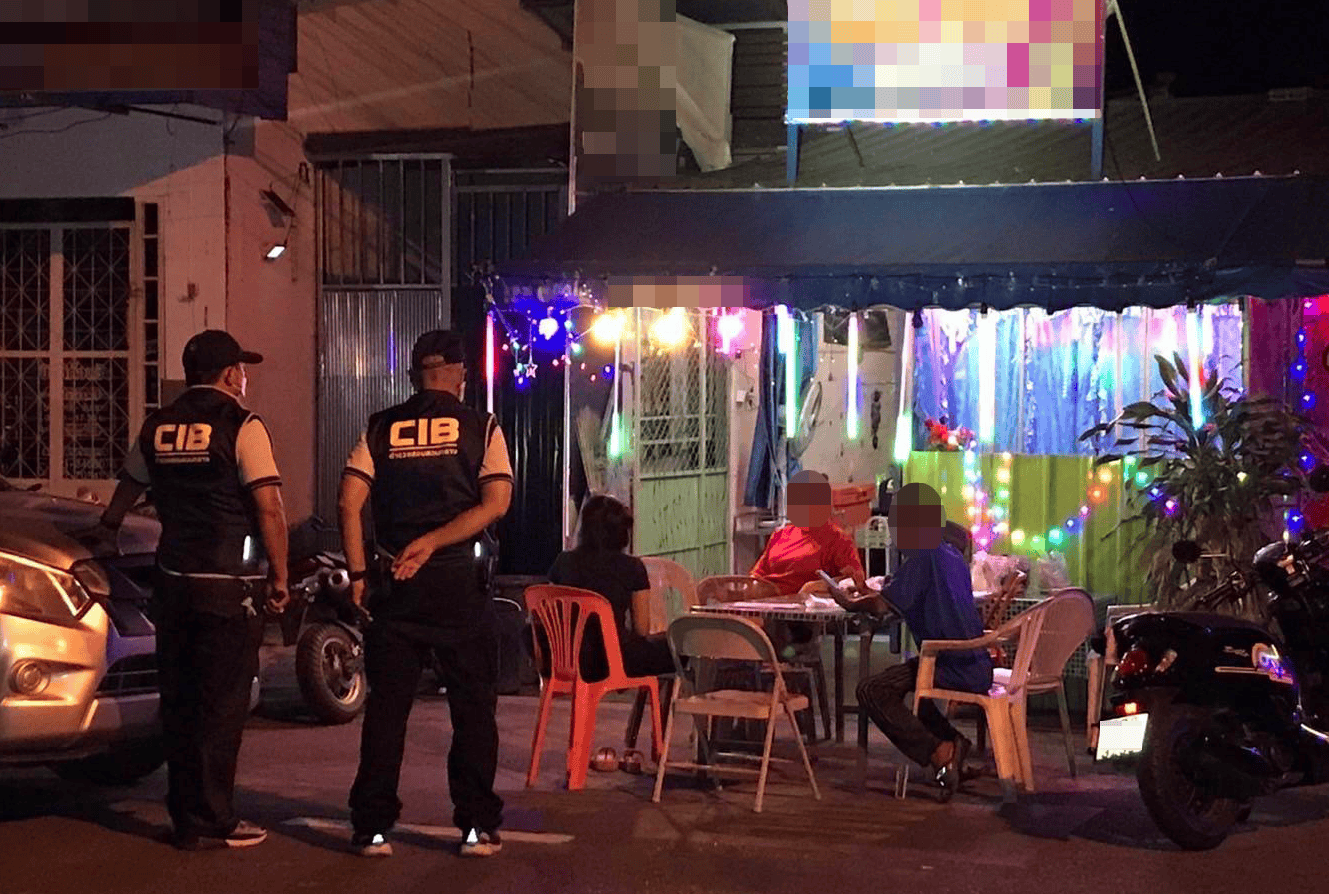
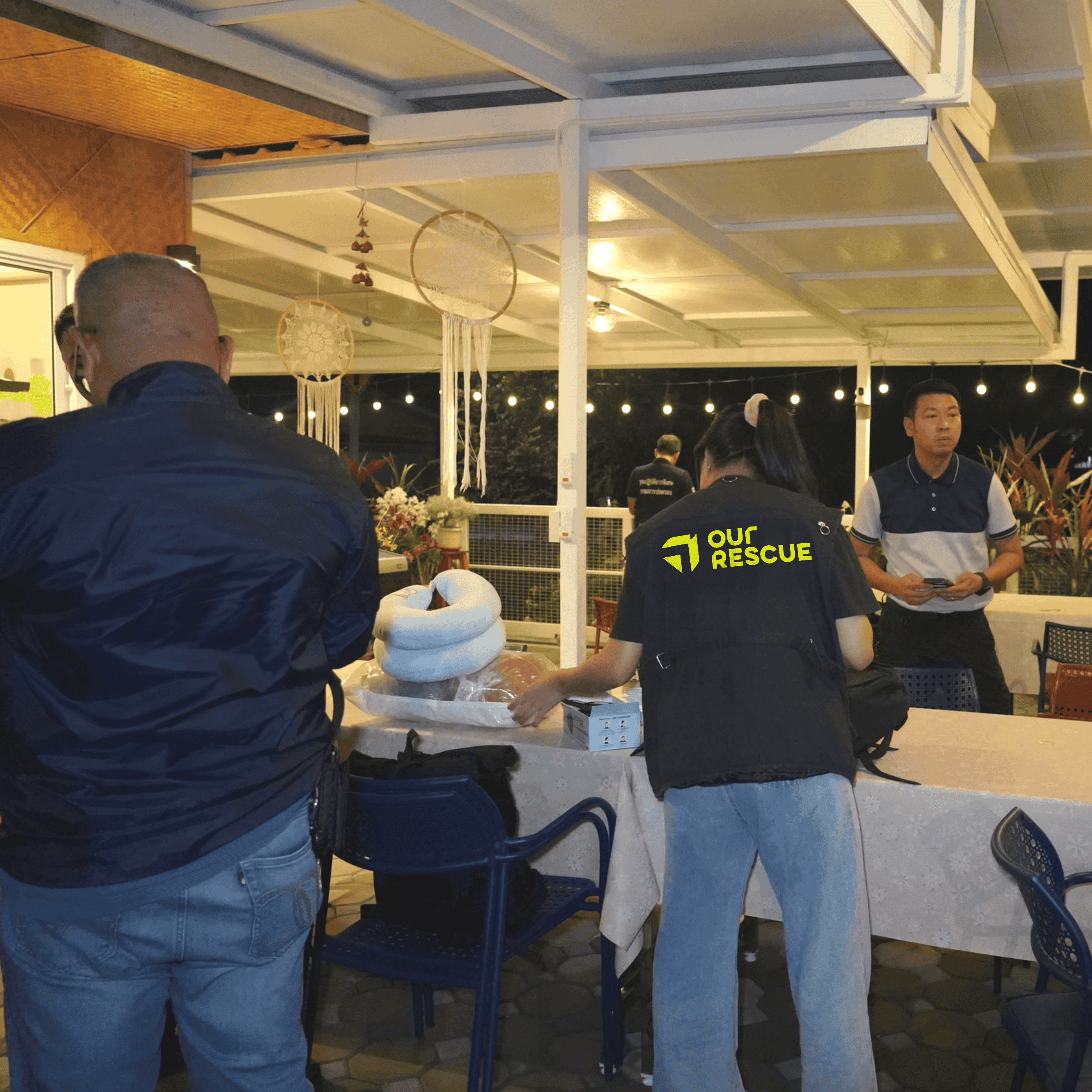
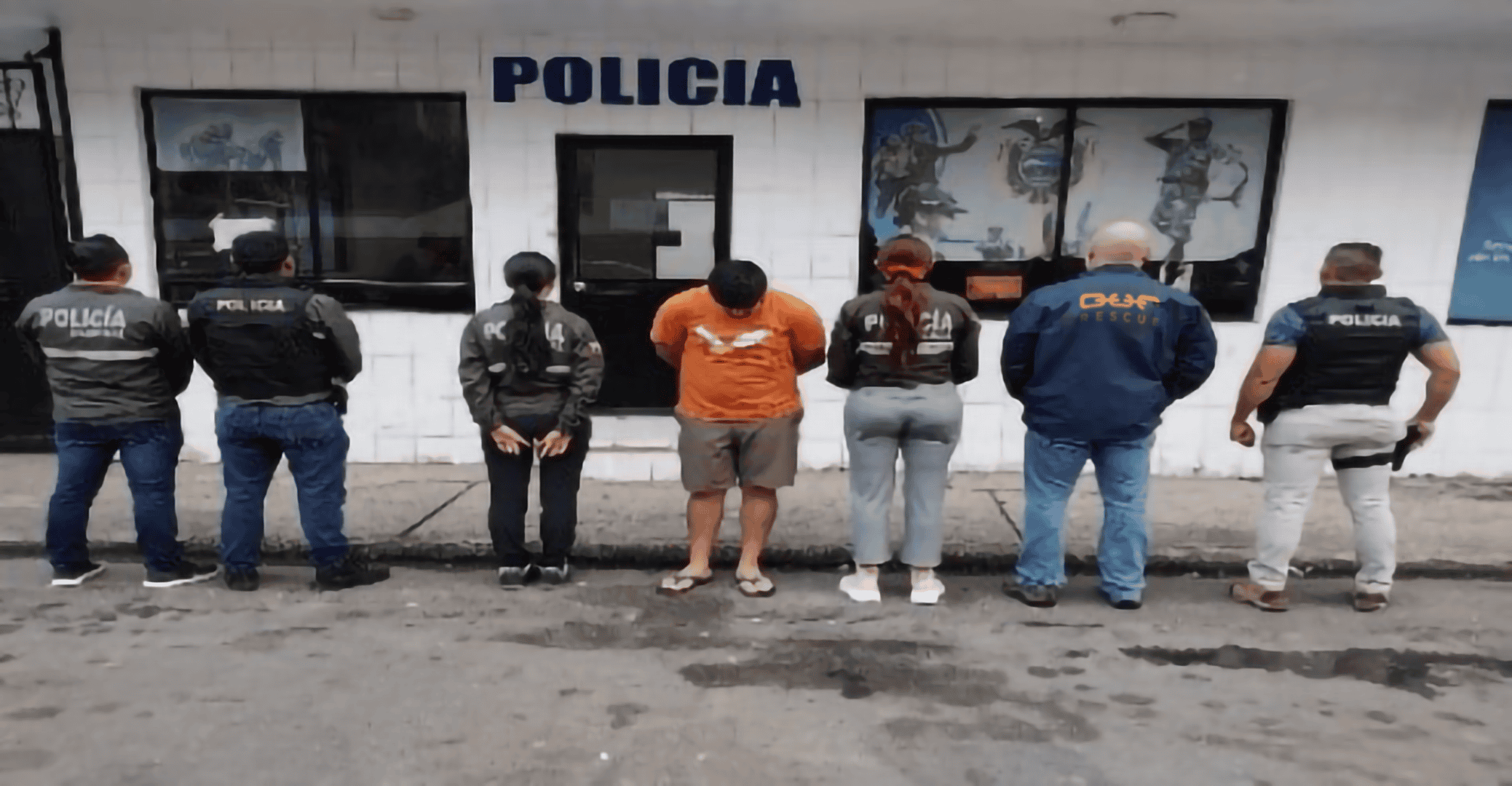
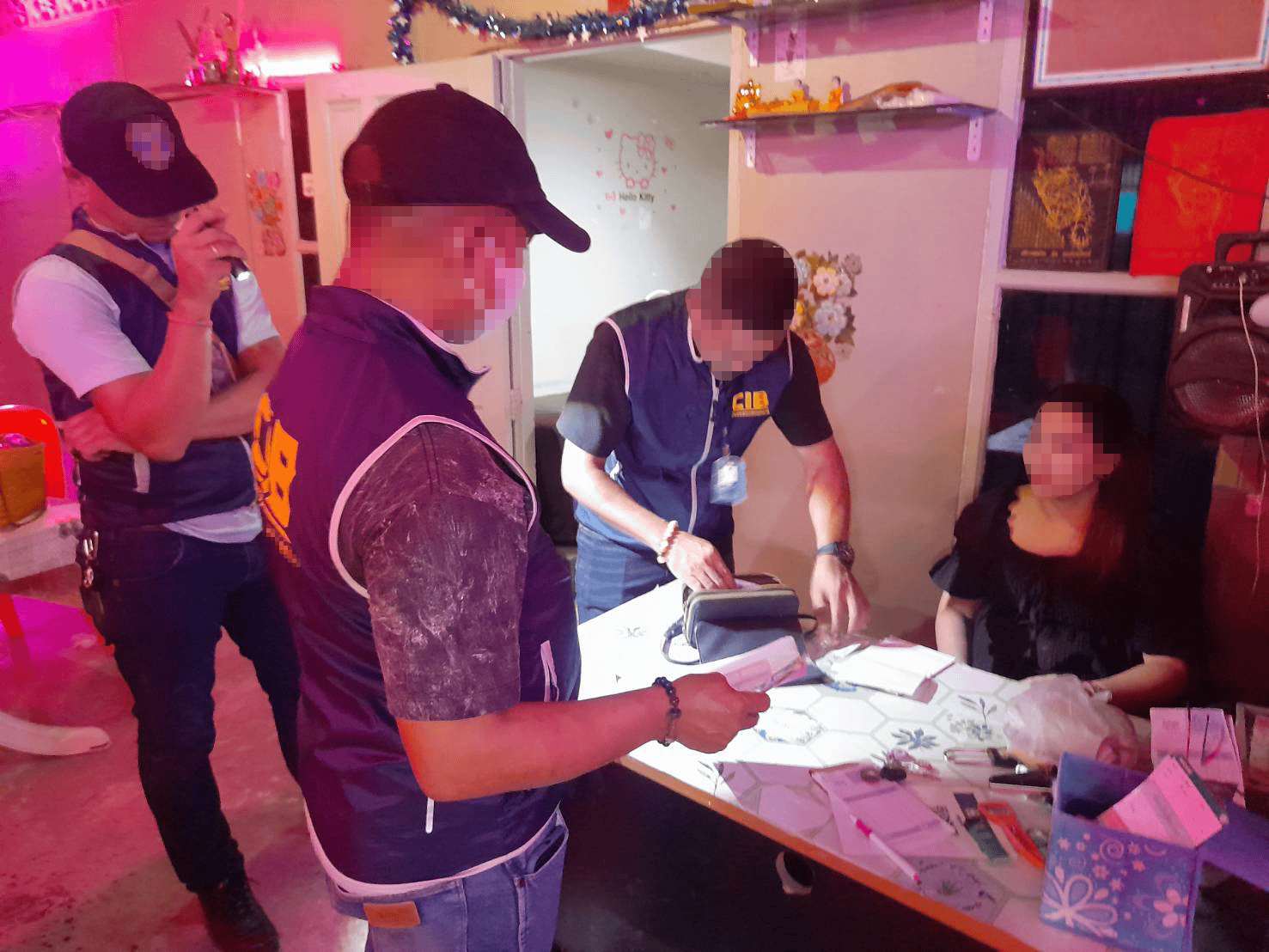
Global human trafficking efforts vary by region but often include coordinated field operations, partnerships with local law enforcement, and collaboration with community organizations. This work may involve identifying victims, supporting investigations, and connecting individuals to immediate care and long-term recovery resources.
Why do anti-trafficking strategies differ by region?
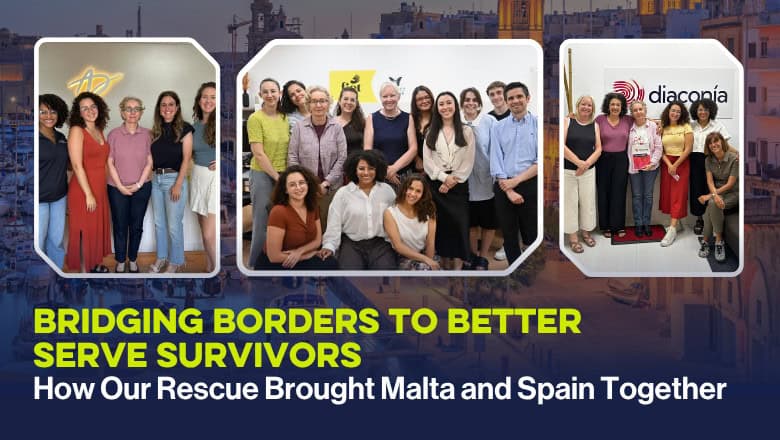
Trafficking patterns are shaped by local factors such as economics, migration, conflict, and technology. Because of this, effective responses must be tailored to each region. What works in one country may not be effective in another, which is why global efforts rely on local partnerships, cultural understanding, and region-specific prevention strategies.
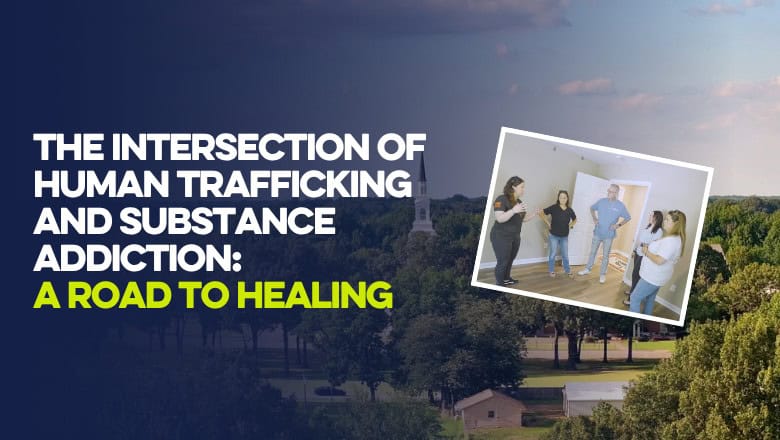
What happens after a victim is identified in a trafficking operation?
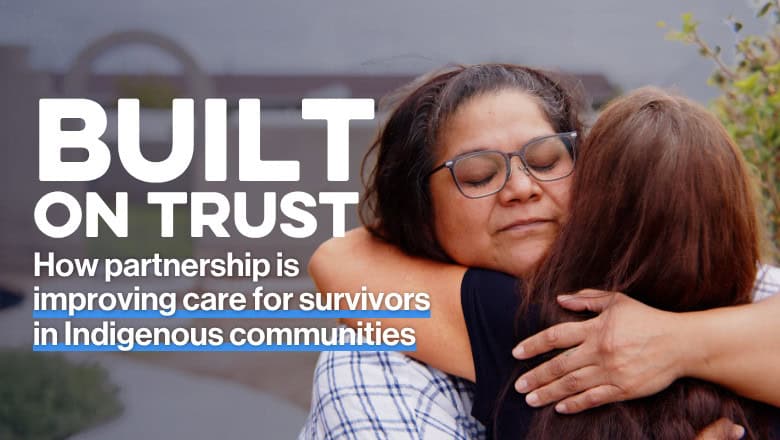
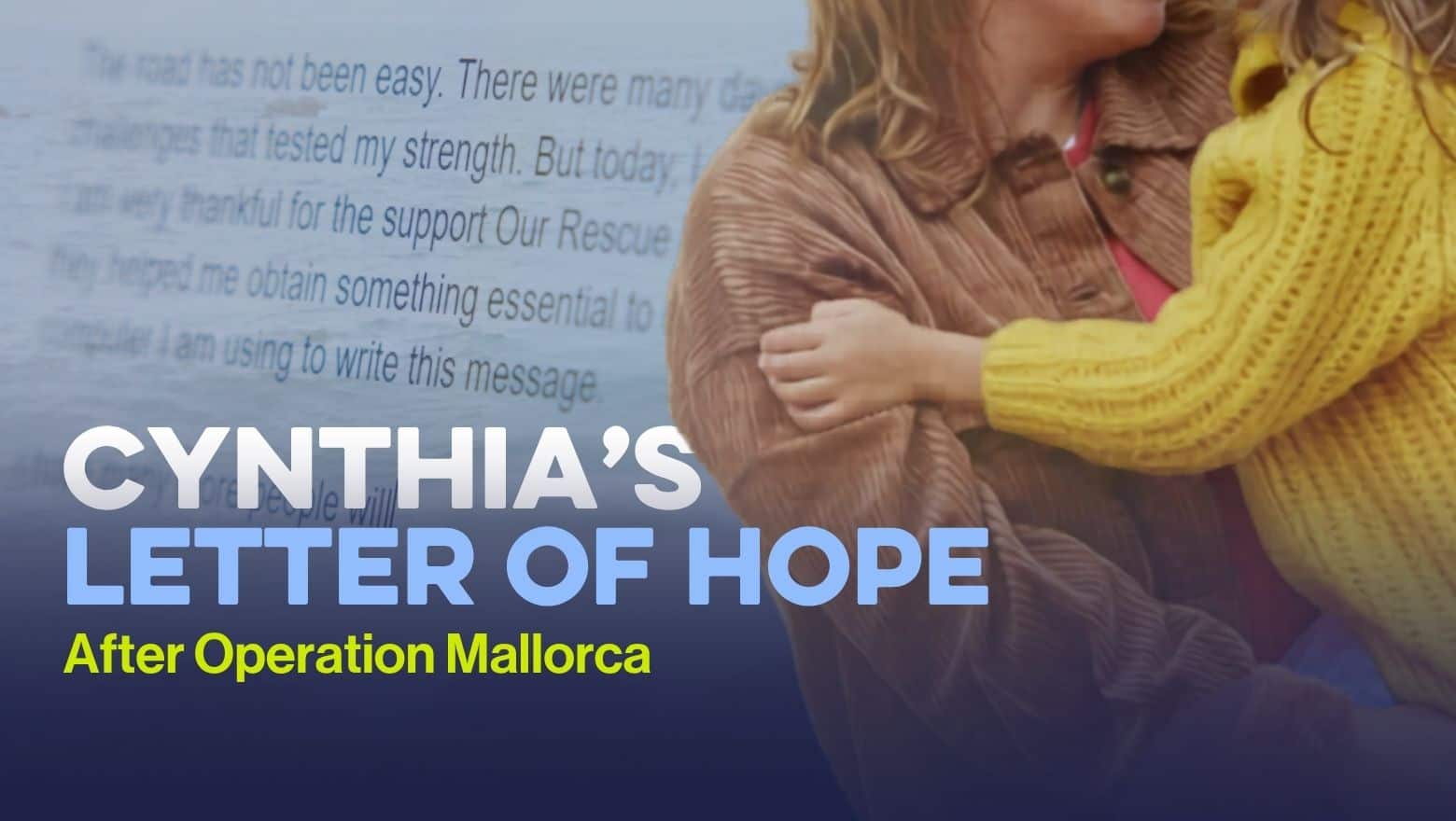
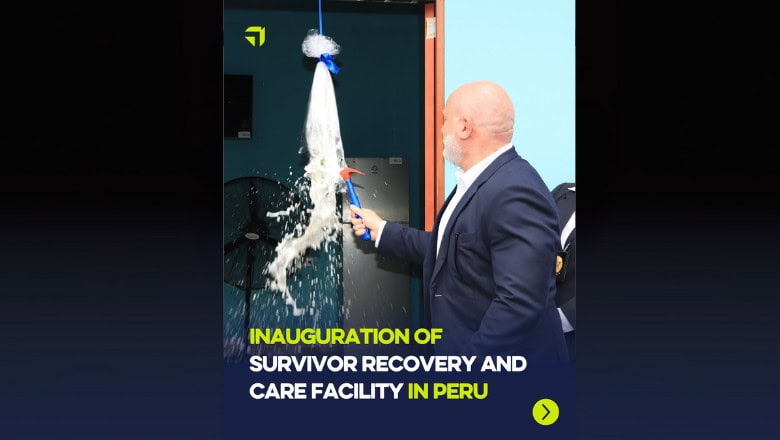
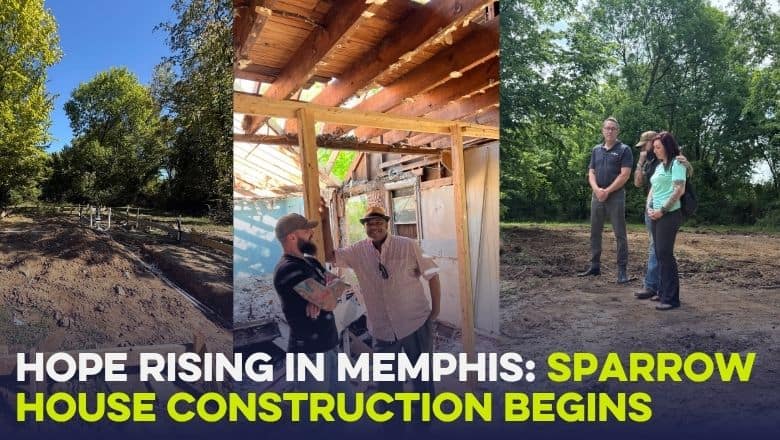
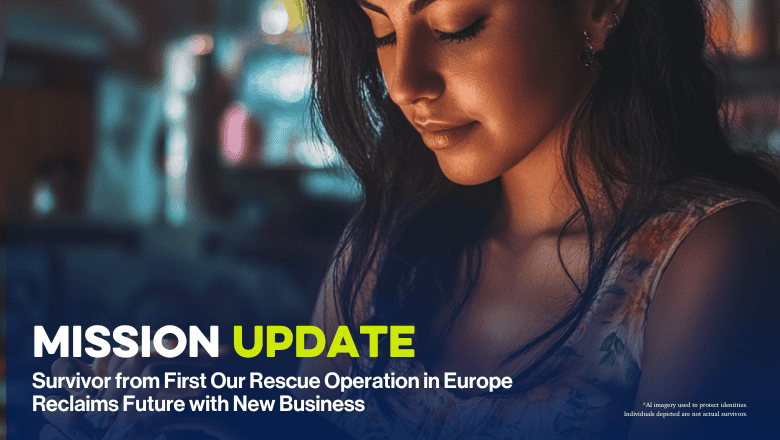
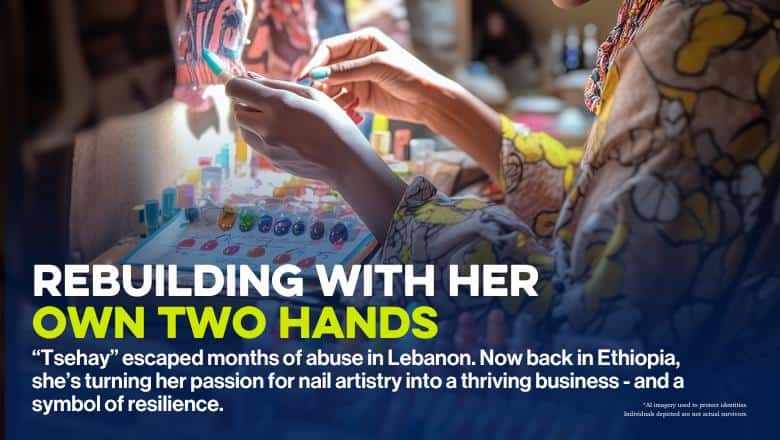
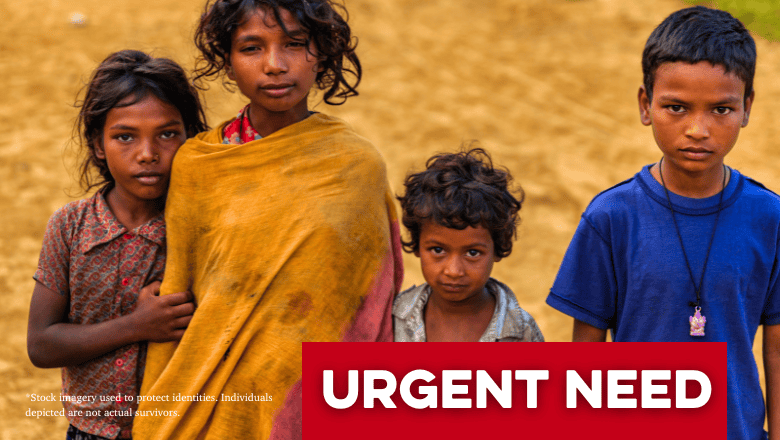
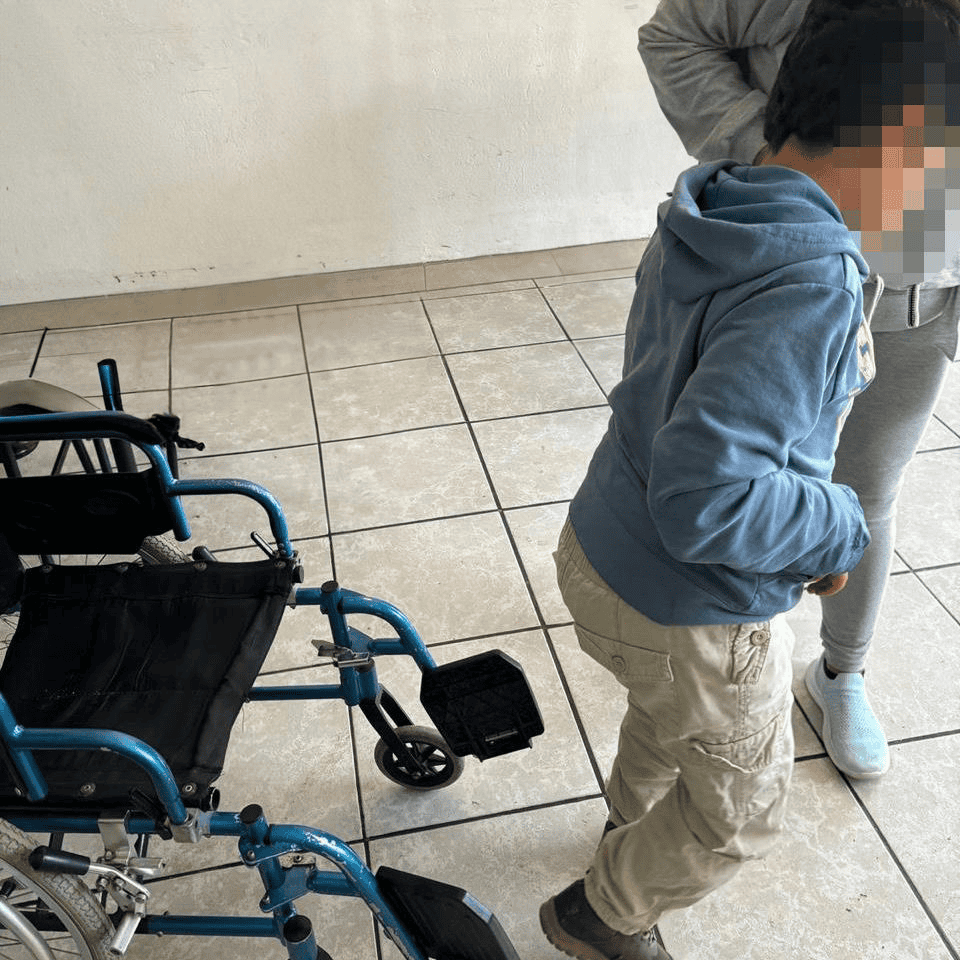
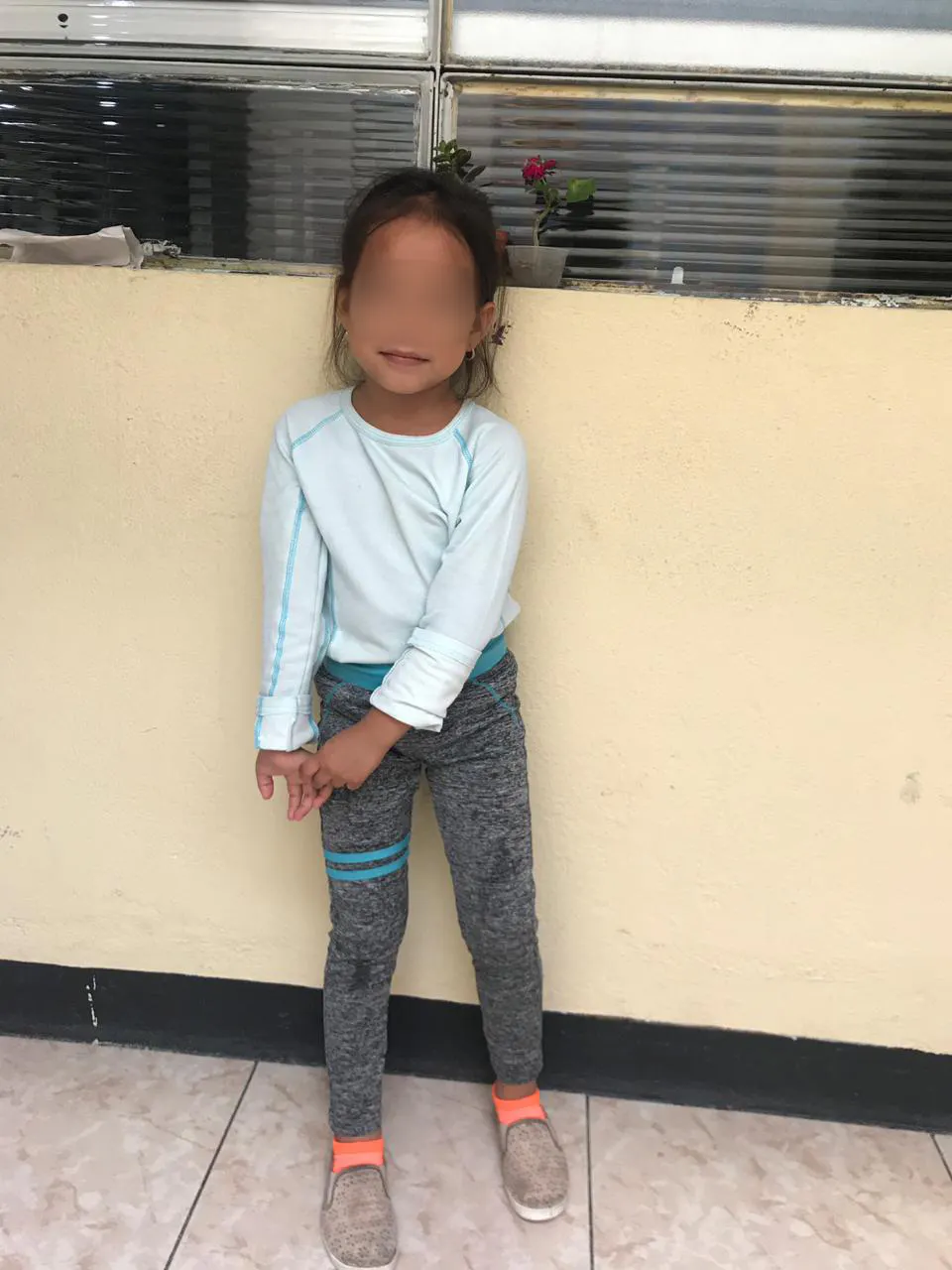
Identification is only the first step. Survivors often need immediate support such as safe housing, medical care, and psychological services. Long-term care may include education, job training, and reintegration support. Sustainable global efforts prioritize both immediate assistance and ongoing recovery.
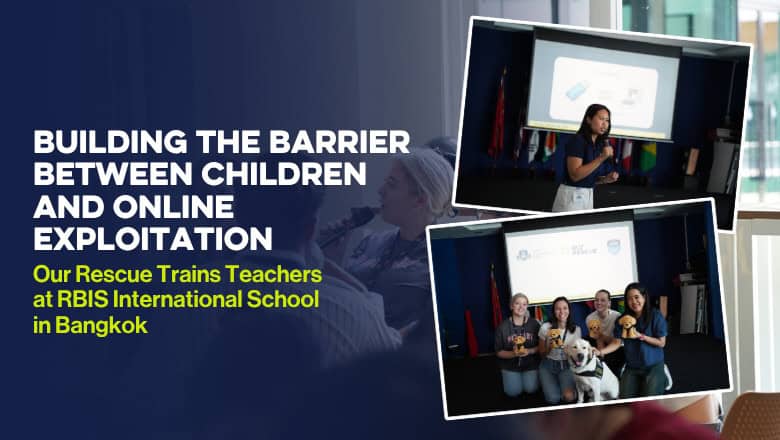
How do training and prevention programs support global anti-trafficking efforts?
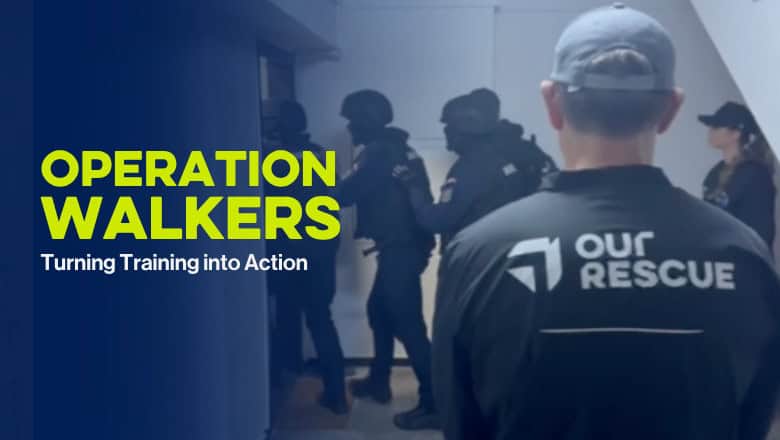
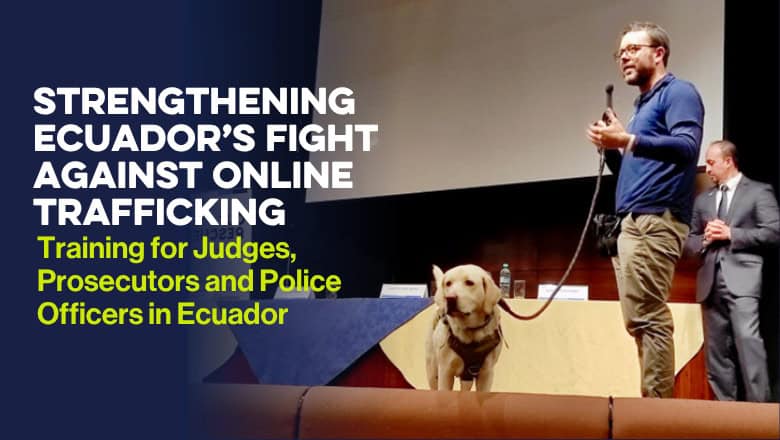
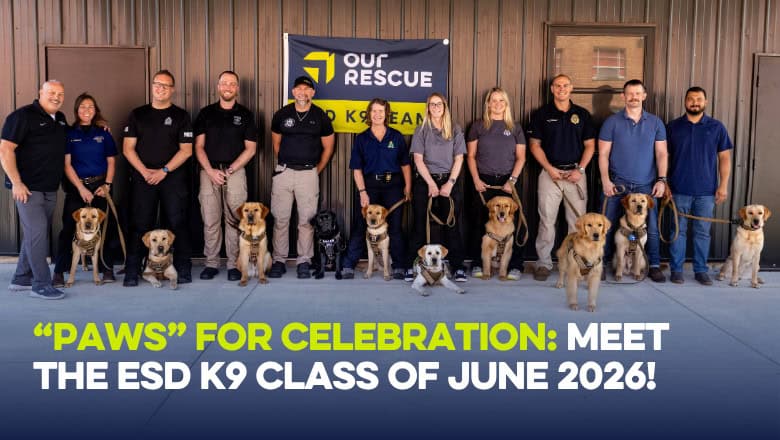
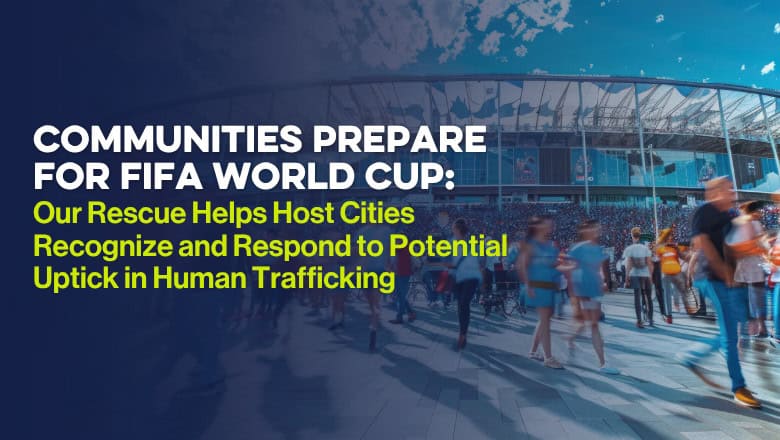
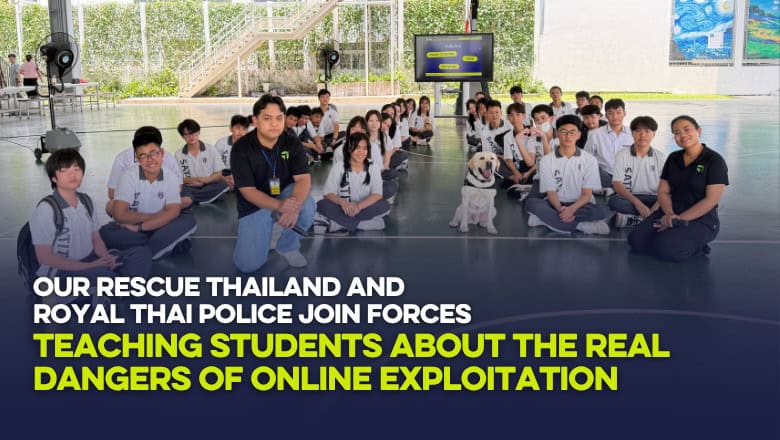
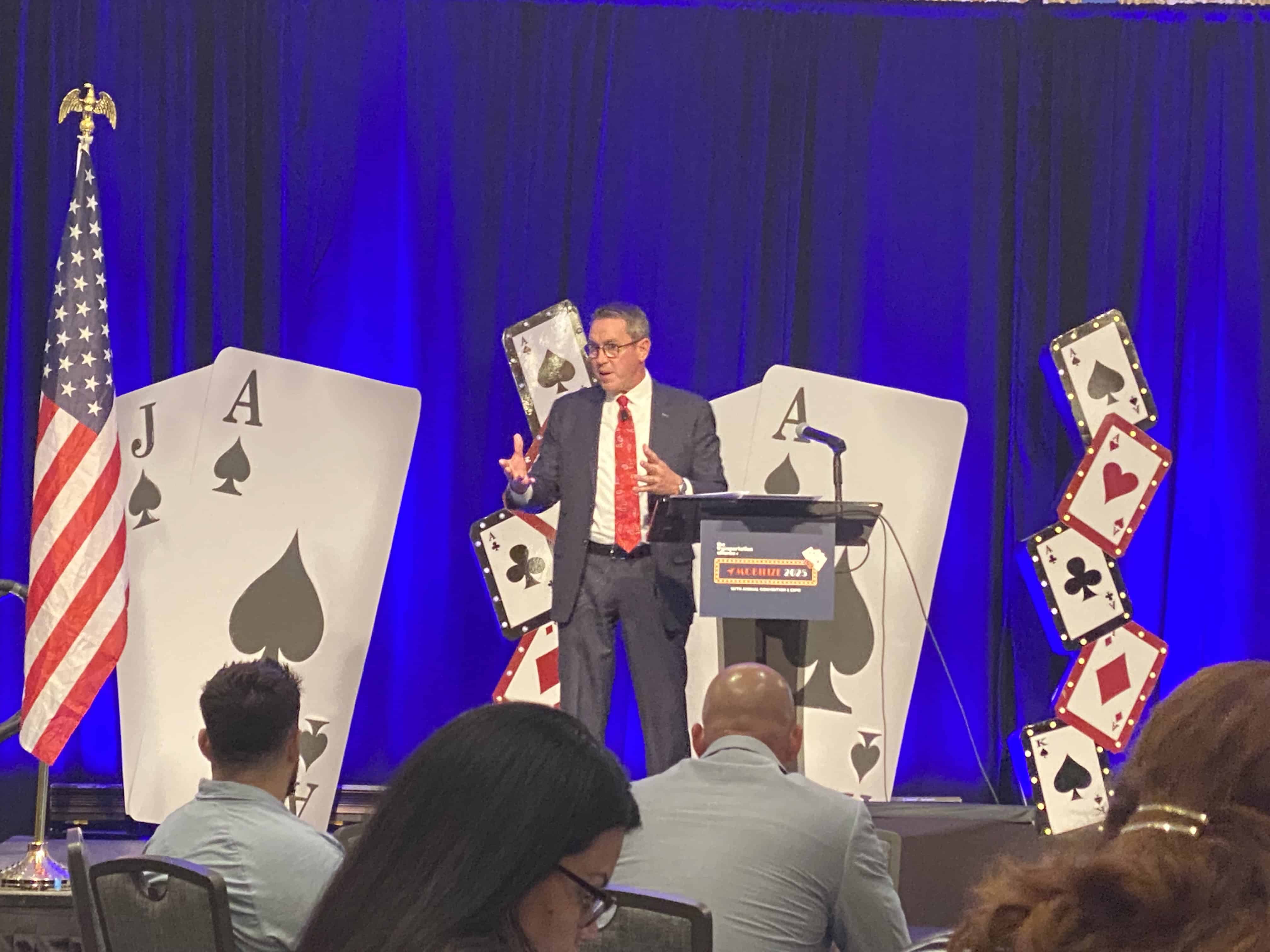
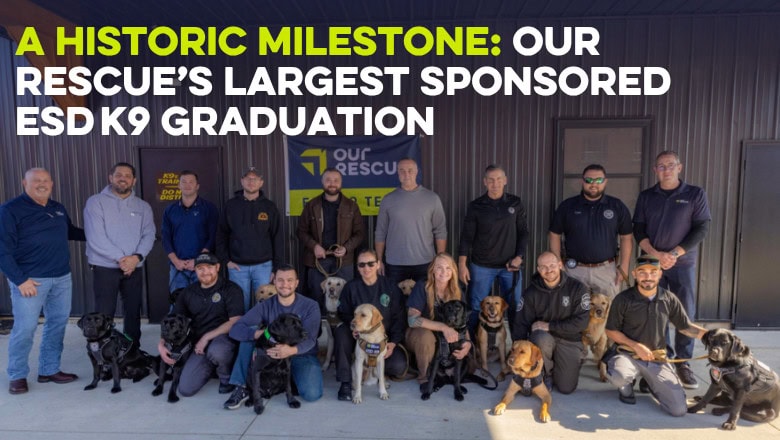
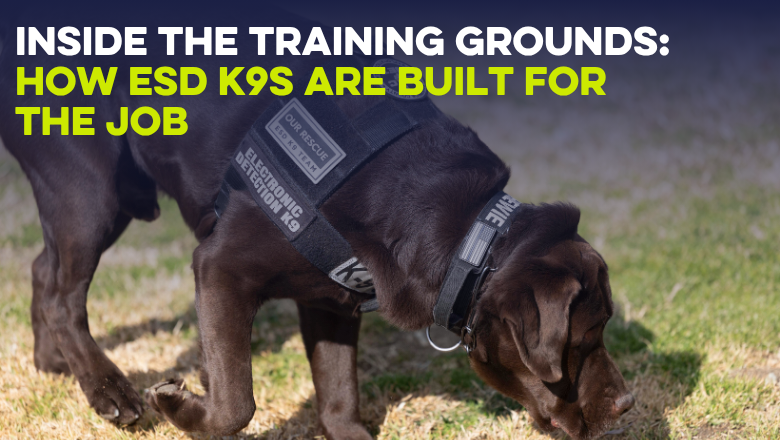
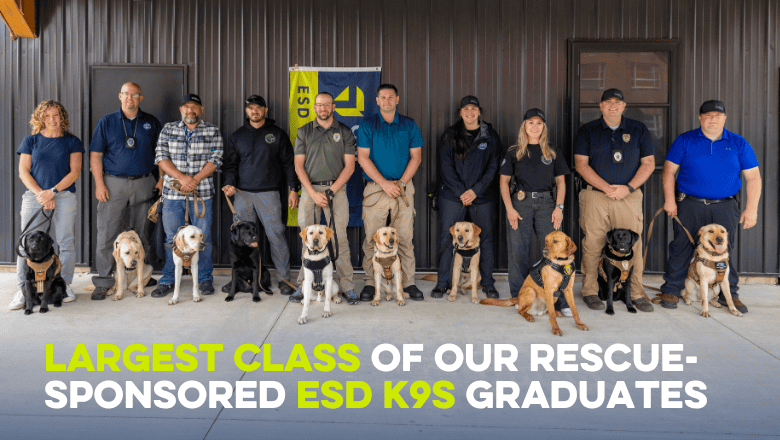
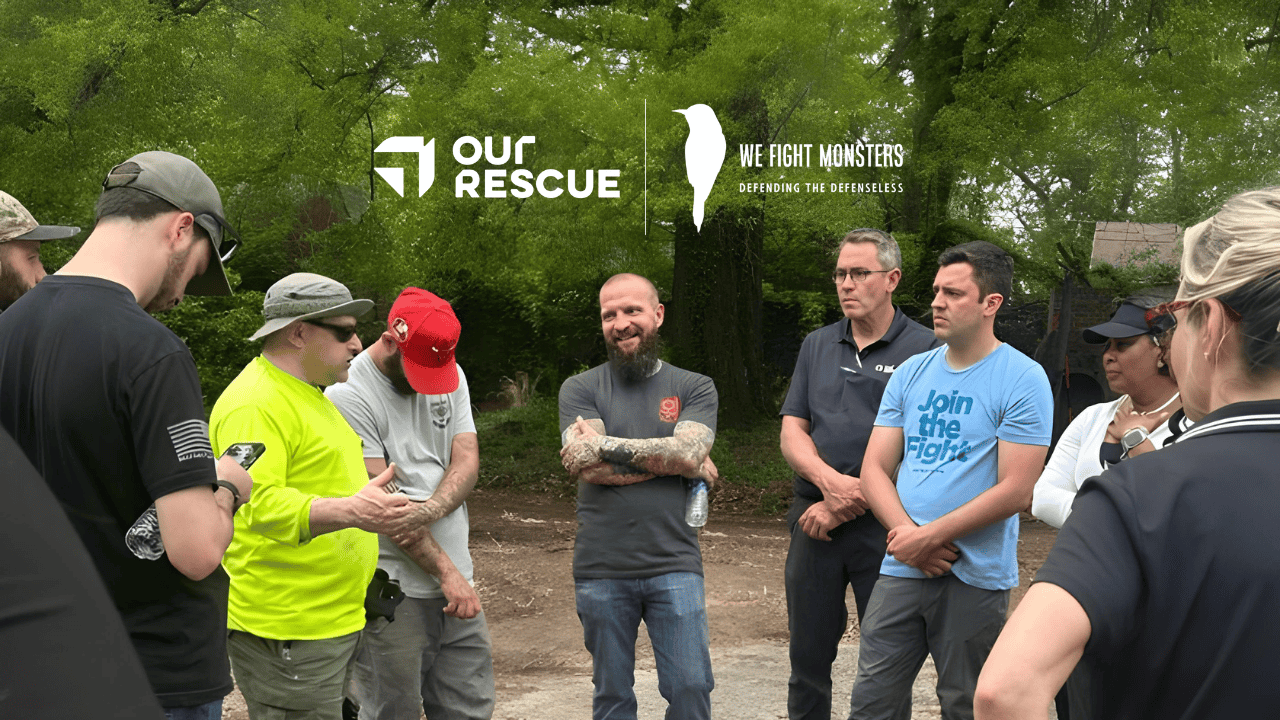
Training and prevention programs equip communities, professionals, and organizations with the tools to recognize risks and respond early. By increasing awareness and strengthening local capacity, these programs help reduce vulnerability, improve identification, and prevent trafficking before it occurs.