Understanding Human Trafficking: Risks, Prevention & Response
Human trafficking is a complex and evolving form of exploitation that affects individuals across communities and industries. This resource hub provides insight into how trafficking operates, how individuals are targeted, and what can be done to prevent it. Whether you’re a professional, advocate, or community member, these resources are designed to help you recognize patterns, respond effectively, and take meaningful action.
Interested in Learning More About What You Can Do?
If you want to take action or understand how to combat human trafficking and child sexual exploitation, explore our comprehensive resources on what Our Rescue does. And if you're ready to make an immediate impact, your donation today helps provide critical support for rescue operations, survivor care, and prevention efforts.
How do traffickers maintain control in sex trafficking situations without physical force?
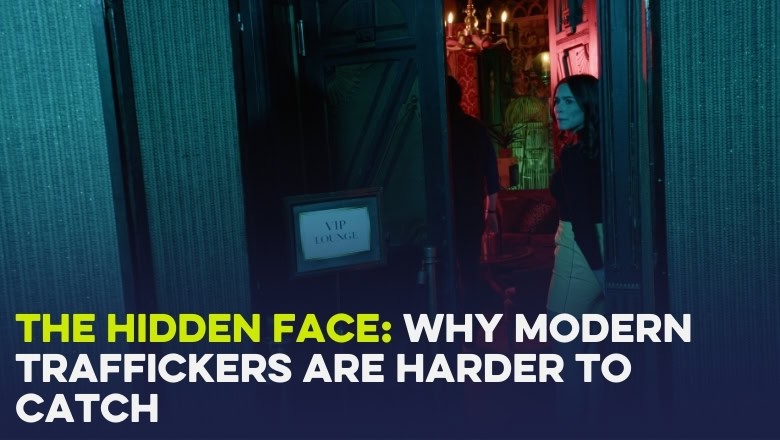
While physical violence can occur, many traffickers rely on psychological control. This can include emotional manipulation, creating dependency through housing or finances, threats against family members, or exploiting shame and fear. Victims may feel unable to leave even when they are not physically restrained, which is why trafficking can be difficult to recognize from the outside.
Why is human trafficking often connected to online platforms?
Online platforms provide traffickers with anonymity, access, and scale. Social media, messaging apps, and online marketplaces are often used to recruit victims, advertise exploitation, and communicate with buyers. The shift to digital spaces has made human trafficking more difficult to detect and has increased the importance of online awareness and monitoring.
What role do buyers play in sustaining sex trafficking?
Demand is a key driver of sex trafficking. Buyers may not always recognize—or may ignore—the signs that someone is being exploited. In many cases, individuals involved in commercial sex are not acting voluntarily. Reducing demand through awareness, accountability, and enforcement is a critical part of disrupting trafficking systems.
Why don’t victims of sex trafficking come forward or seek help?
There are many barriers that prevent victims from seeking help, including fear of retaliation, distrust of authorities, language barriers, immigration concerns, or emotional attachment to the trafficker. Some may not identify themselves as victims due to manipulation or normalization of their situation. Understanding these barriers is essential to responding with empathy and effectiveness.