In order to successfully combat human trafficking today, we must understand that everything we thought we knew about who the traffickers are is incomplete. In the past, we were warned about “strange white vans” or being abducted while traveling in foreign countries while on vacation. The modern-day trafficker has become more concealed, while still hiding in plain sight. The reality of modern-day traffickers relies on the ability to be secret and corrupt. The primary networks resemble more decentralized systems, small level operations, as well as those perpetrators operating individually.
It is critical to realize that behind the data and patterns are real people whose trust was exploited and whose paths to safety and healing deserve community awareness and protection.
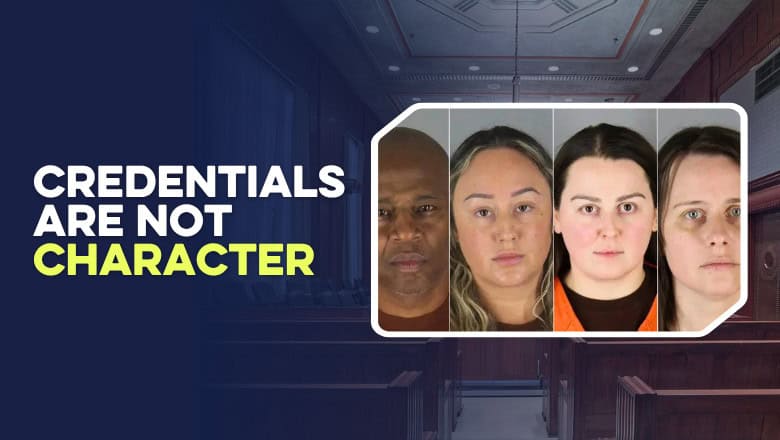
Traffickers today rarely resemble the obvious villains portrayed in movies. In reality, they often appear as business owners, trusted family members, or even romantic partners. Modern trafficking cases increasingly show that offenders can mirror everyday professionals like business leaders, community members, and white-collar workers. These individuals utilize their positions of trust, influence, or resources to conceal exploitation. Research from the Polaris Project has also found that family members frequently play a role in trafficking children; one study found that, in cases of familial trafficking, a significant portion of victims were exploited by parents or other relatives.
Human trafficking operations often involve networks of facilitators, including recruiters, groomers, and individuals who help control or transport victims. Research from the United Nations Office on Drugs and Crime, has found that women account for a significant share of those prosecuted for trafficking offenses globally. While men still represent the majority of trafficking perpetrators globally, women may appear in operational roles within networks, sometimes under coercion themselves. High-profile cases, such as the prosecution of Ghislaine Maxwell for recruiting and grooming minors for Jeffrey Epstein’s trafficking operation have further underscored that individuals who facilitate or enable trafficking networks can face criminal prosecution. Women involved in human trafficking operational roles can often perform tasks that require direct access with victims, including recruitment of new victims, leveraging safety and trust to maintain control. By appearing trustworthy or harmless, these offenders blend into our communities as ordinary individuals, making it increasingly difficult for the untrained eye to notice.
Modern traffickers now use advanced technology to operate encrypted networks and coordinate with other criminal enterprises. This web of activity often intersects with drug smuggling, gun trafficking, and money laundering to orchestrate large-scale operations. While modern-day trafficking often wears a facade of being less brutal, largely because the perpetrators appear so unassuming, that’s just the surface. Even though complex networks are being dismantled by record-breaking law enforcement takedowns, the dark core of the business remains unchanged. While tactics evolve, exploitation still relies on coercion, manipulation, abuse of power, and in some cases physical violence.
Further complicating this crime is that the recruitment of trafficking victims has evolved from the classic white van kidnappings towards social media recruitment and deceptive employment practices. The preparators ability to conceal the purchase of sex from trafficked individuals make it more challenging to detect and raise awareness about this epidemic. Coordinated efforts between traffickers in various other criminal enterprises keep trafficking complex. As the traffickers continually adapt to new law enforcement tactics, the justice system is forced to continuously develop newer and innovative ways to assist reach and survivors.
The version of human trafficking that Hollywood movies or dated stereotypes emulate is misleading. These misconceptions can be harmful because they portray a monster that is easy to spot. When we stop looking for the Hollywood villain or the “white van”, we finally begin to see the faces of those actually responsible. Only then can we begin to truly protect the vulnerable. The reality is, trafficking has changed, and our awareness must change with it. It is time to open our eyes towards this everyday criminal and those that use influence and money to protect themselves.
Recognizing trafficking starts with the individual. And it means looking beyond stereotypes and understanding how exploitation hides in trust, influence, and everyday spaces.