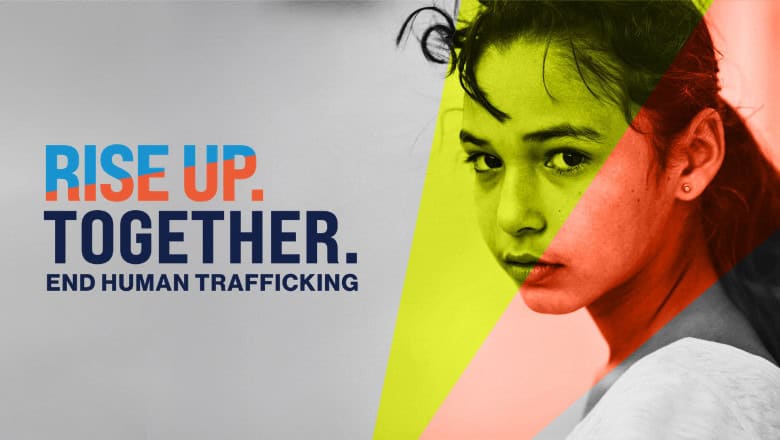
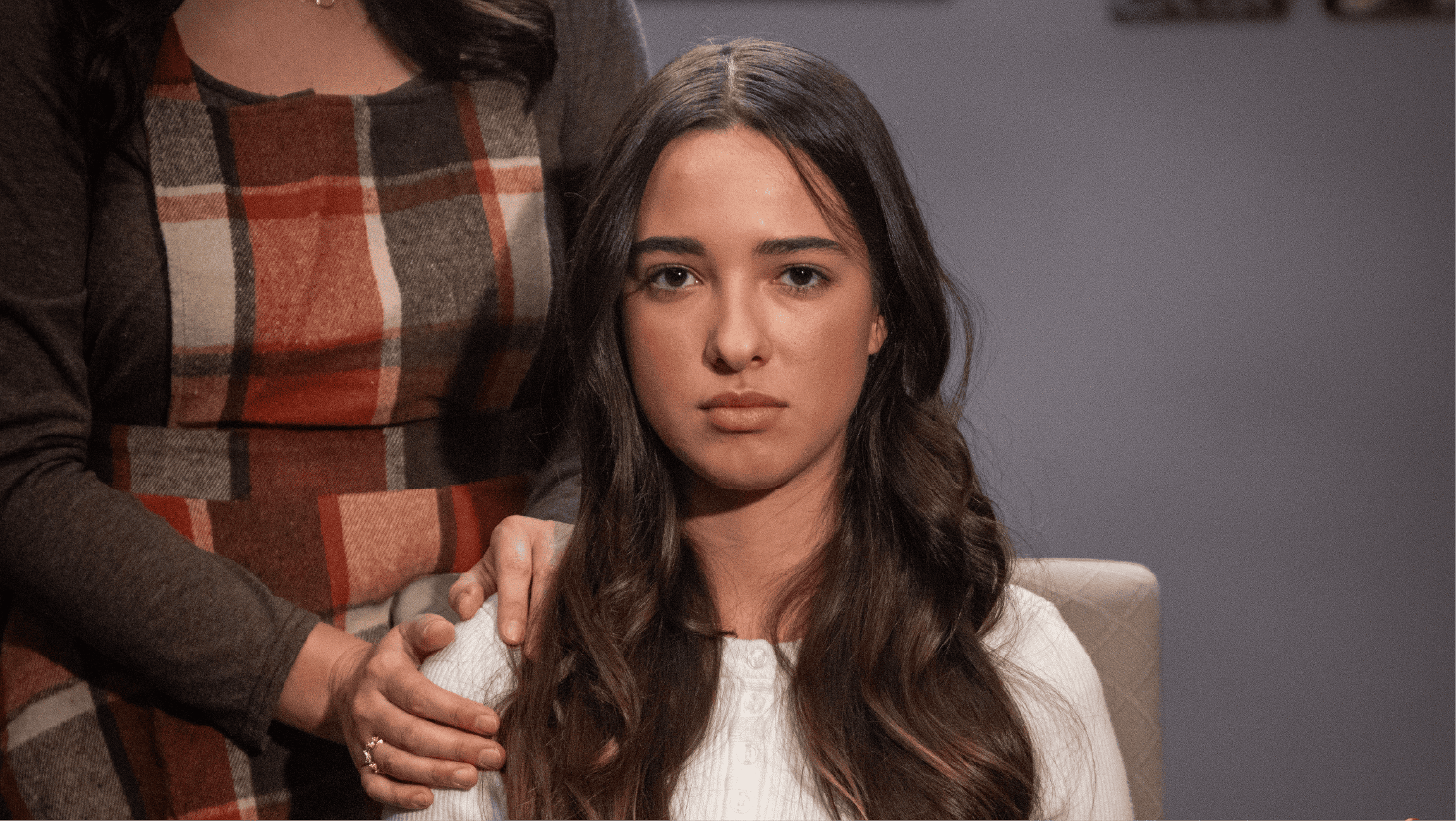
Child trafficking devastates millions of vulnerable children worldwide, stripping them of their fundamental rights to safety, education, and childhood itself. This form of modern slavery flourishes in shadows across every nation, demanding urgent attention and coordinated action from communities, law enforcement, and advocacy organizations.
The Staggering Scale of Child Trafficking and Human Trafficking
Child trafficking is a vast and deeply troubling issue that spans many forms and regions. Because trafficking in general is a hidden and often underreported crime, it can be tough to estimate the exact numbers, but some organizations have estimated that children comprise 27% of all human trafficking victims worldwide, with two out of every three child victims being girls. The International Labour Organization (ILO) classifies trafficking among “forms of slavery or practices similar to slavery,” highlighting the severe nature of this exploitation and modern slavery. According to their estimates, nearly 50 million people are trapped in modern-slavery, and that number includes children.
What makes this issue particularly alarming is how trafficking manifests across different forms of exploitation, including sexual exploitation, forced labor, domestic servitude, and commercial sexual exploitation of children.
Human trafficking networks deliberately target vulnerable populations, transforming innocent children into trafficking victims through sophisticated grooming techniques. Each number we have represents not just a statistic, but a person whose childhood was stolen by traffickers through systematic abuse and exploitation.
Digital Acceleration Fuels Child Exploitation and Sex Trafficking
Technology has fundamentally transformed how traffickers operate, creating new vulnerabilities for children while enabling unprecedented reach and efficiency in recruitment methods. he internet has now accelerated the ability to find and groom potential victims, with online predators initiating contact with a minor in just 19 seconds.
Perhaps most concerning is how rapidly traffickers progress from online contact to physical exploitation. According to the Missouri Highway Patrol, it can be as little as days between the time a child meets a trafficker online to meeting in person. This compressed timeline demonstrates how quickly traffickers can draw children into trafficking situations through digital platforms, social media, dating apps, and even video games.
Child sex traffickers exploit these digital channels to identify potential victims, often targeting youth who display signs of vulnerability or isolation. In one specific example, since 2019, Children’s Mercy alone has identified 110 children from the Kansas City area who traffickers are exploiting or who face high risk, illustrating how child trafficking occurs in communities across America.
Poverty and Vulnerability Create the Foundation for Exploitation
Poverty often drives additional vulnerabilities for trafficking situations and modern slavery. According to Our Rescue’s analysis of homelessness and trafficking, traffickers exploited 68% of homeless youth for sex, with predators approaching 91% of homeless youth with lucrative but fraudulent work opportunities. When family units face acute poverty, homelessness, domestic violence, or substance abuse, children become increasingly vulnerable to exploitation. Traffickers deliberately target these vulnerabilities, offering false promises of education, employment, or better living conditions to victims into trafficking situations.
This predatory targeting reveals a calculated pattern: traffickers don’t simply wait for vulnerable children to appear—they actively seek out communities where poverty has already weakened protective structures. Understanding this deliberate exploitation is essential to developing prevention strategies that address root causes rather than merely responding to trafficking after it occurs.
Our Rescue recognizes that effective prevention requires working directly within vulnerable communities.
In a remote Roma neighborhood in Bulgaria, Our Rescue partnered with Foundation for Hope to launch the Bulgarian Mobile Center Project, bringing hope and education to children living in the shadow of exploitation. This innovative mobile education center serves over 560 children annually, providing critical awareness about child sexual exploitation and grooming in communities where racism and poverty make Roma children particularly vulnerable to trafficking. As Livia Otal, founder of Foundation for Hope, explains: “Our Rescue was the first organization that really believed something needed to be done. When no one else was listening, they stepped up, believed me, and empowered us to move forward.” This project demonstrates how addressing poverty and isolation through community-based education can disrupt the cycle of exploitation before it begins.
The Bulgarian project exemplifies a crucial principle: sustainable prevention happens when communities themselves become equipped to recognize and resist trafficking. By investing in education and awareness at the grassroots level, organizations can create protective networks that persist long after initial interventions end, building resilience within the most vulnerable populations.
The relationship between poverty and trafficking becomes particularly evident in conflict zones, where 426 million children currently live in areas that conflict affects – representing nearly one-fifth of the world’s children. These environments create perfect conditions for trafficking networks to operate, as conflict breaks down traditional child protection systems and desperation drives families toward survival. Child labour often serves as a gateway to more severe forms of exploitation, with traffickers initially promising legitimate work opportunities before they trap victims in involuntary servitude. The child welfare system struggles to identify and protect these vulnerable youth, particularly when traffickers operate within family structures.
Familial Trafficking: When Home Becomes the Source of Harm
One of the most devastating aspects of child trafficking involves cases where a family member facilitates the exploitation. The statistics surrounding familial involvement reveal particularly troubling patterns:
- Family members or caregivers facilitate 41% of child trafficking situations
- 75% of familial trafficking cases involved family members selling a child in exchange for drugs
- Families traffic 61% of boys versus 46% of girls in cases involving family members
Familial trafficking often begins at much younger ages than other forms of child sex trafficking, with families normalizing abuse within the household. Many trafficked children in these situations don’t recognize they are victims because families present the exploitation as normal family dynamics or economic necessity. This form of child sexual exploitation can involve forced commercial sex acts or exploitation within extended family networks.
According to the IOM Counter-Trafficking Data Collaborative, the world’s largest open-access repository of human trafficking data with 80,000 victims from 180 nationalities, nearly 50% of child trafficking cases involve family members – four times higher than adult cases. Family members, friends, and intimate partners participate in the recruitment of two-thirds of child trafficking cases, demonstrating how predators exploit the trust and dependency inherent in family relationships. These cases present unique challenges because children naturally trust their caregivers and may not understand that their family members are exploiting them for material gain.
Family involvement in trafficking ranges from intentional exploitation for financial benefit to unwitting placement of children in dangerous situations while parents believe they are helping their children access better opportunities. Children trafficked by family members often experience profound betrayal trauma, as the very people meant to protect them become their exploiters. This betrayal can severely impact their ability to trust others and seek help, making identification and intervention particularly challenging for child protection services.
To understand the devastating reality of familial trafficking and how it destroys the fundamental trust between parent and child, watch June’s powerful story – a survivor and an Our Rescue Survivor Care Advocate,who was trafficked by her own mother. Her testimony reveals the complex psychological manipulation and normalization tactics that make familial trafficking so insidious and difficult for children to recognize or escape.
Traffickers Use Complex Methods to Control and Exploit Individuals
Understanding how traffickers maintain control over their victims reveals the sophisticated nature of modern slavery and human trafficking operations. Traffickers control 51% of trafficked children through psychological abuse, while 33% experience physical violence and 19% endure sexual abuse as methods of control.
Traffickers exploit children differently depending on gender and circumstances:
- Traffickers force 68% of boys into forced labor, while 31% face sexual exploitation
- Traffickers exploit 58% of girls sexually, while 36% face forced child labor
- Traffickers force 24% of trafficked children into begging
Child sex traffickers often force victims into prostitution or commercial sex acts, while others exploit children through child labour in domestic work, agriculture, or criminal activity. Each child victim experiences severe trauma that affects their physical, psychological, and social development. Many trafficking victims end up in foster care systems that lack adequate resources for addressing their complex needs.
The Prosecution Challenge: Why Justice Remains Elusive
Child trafficking cases present unique challenges for law enforcement and the justice system. Familial trafficking cases prove particularly difficult to prosecute because:
- Nearly 60% of familial trafficking survivors maintain ongoing contact with their trafficker
- Survivors often refuse to testify against family members due to loyalty, fear, or shame
- Familial victims run away less frequently (69% versus 92% in non-familial cases)
- Children may not recognize their trafficking situation as criminal activity due to normalized abuse patterns
These factors create significant barriers to successful prosecution and survivor protection, allowing trafficking networks to continue operating with relative impunity. Each trafficking survivor’s situation requires specialized approaches that address both immediate safety and long-term recovery needs.
Join the Fight Against Child Exploitation
The fight against child trafficking requires collective action from individuals, communities, and organizations committed to protecting vulnerable children and youth. Our Rescue is dedicated to this fight with a clear mission: to end sex trafficking and child exploitation while empowering survivors to reclaim their lives and thrive on their healing journey.
Our Rescue operates comprehensive programs addressing prevention, rescue operations, survivor support, and policy advocacy, working tirelessly to dismantle trafficking networks and provide hope for those who have experienced unimaginable trauma. Every donation directly supports efforts to identify victims, prosecute traffickers, and provide child trafficking survivors with the resources they need for healing and restoration.
Each trafficking survivor deserves justice, and every young person deserves protection from those who would exploit their vulnerability. By supporting Our Rescue’s mission, you join a movement dedicated to ensuring that every child experiences safety, dignity, and the chance to build a future free from exploitation.
Donate today and join thousands of others committed to ending child trafficking and supporting survivors on their journey toward healing and hope. Together, we can create a world where no child falls victim to trafficking and every survivor receives the support they deserve to reclaim their life and thrive.
Sources:
DOJ COPS Office – Familial Trafficking
Save the Children – Child Trafficking Awareness