By Renata Parras, General Counsel, Our Rescue
In addition to leading Our Rescue’s Legal team, Renata builds strategic partnerships with NGOs, technology companies, law enforcement, and industrial sectors. She brings more than 15 years of experience advising on human rights, human trafficking, social impact, cross border risk, and cross-sector collaboration. Previously, she served as ESG and Pro Bono Counsel at Paul Hastings LLP, leading the firm’s Modern Slavery and Human Rights Initiative, and spent 12 years with the Department of Homeland Security, most recently as Deputy Chief Counsel.
Right now, millions of people in the United States are traveling for vacation and business purposes. Winter break, spring break, conferences, and other reasons to travel are abound. While some may be well intentioned, others are not.
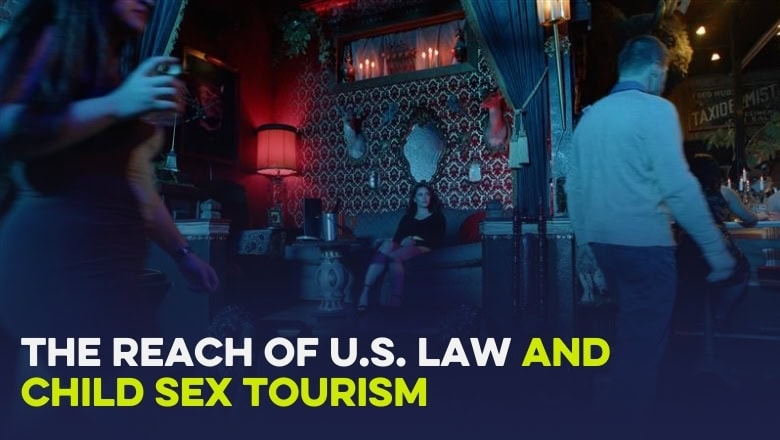
Sex tourism is defined by the United Nations World Tourism Organization as a trip organized for the primary purpose of a commercial sexual relationship with residents at a destination. Sex Tourism is governed by a complex entanglement of local, national, and international laws. While some countries legalize or regulate adult sex work, others have enacted strict “extraterritorial” laws to prosecute their own citizens for crimes committed abroad, particularly those involving minors.
U.S. Federal Laws: The PROTECT Act
The United States has some of the most stringent laws targeting sex tourism and in particular, child sex tourism (CST). The PROTECT Act of 2003 is a piece of landmark legislation that allows the U.S. government to prosecute United States Citizens or Legal Permanent Residents for sexually abusing minors anywhere in the world. Under this law, it is a federal crime to travel abroad with the intent to engage in illicit sexual conduct with a minor, or to engage in such conduct while traveling, regardless of the original intent of the trip. This law gives the federal government extraterritorial jurisdiction; in other words, while the crime may take place out of the United States, it still falls within the reach of the United States Government. Violations of the PROTECT Act carry severe criminal penalties, including up to 30 years in prison. The Act also provides survivors of this crime with a private right of action to sue their abusers in United States federal courts for damages.
International Legal Standards
At the international level, the United Nations recognizes human trafficking as a global crime and a serious human rights violation. While different countries have different laws related to prosecuting human trafficking, to prevent exploitation within the travel sector, many organizations and companies, in addition to mandatory compliance of local laws, have adopted “The Code” which is a Code of Conduct for the Protection of Children from Sexual Exploitation in Travel and Tourism. This “Code” is a voluntary set of ethical standards for tourism businesses to train staff and report activities when someone is suspected of engaging in sex tourism.
Enforcement Challenges
Despite these laws, enforcement of U.S. law enforcement can remain difficult for several reasons. Prosecuting a citizen for a crime committed in another country often requires the cooperation of host-country law enforcement. It also requires the collection of reliable evidence and witness testimony from foreign jurisdictions, which can be a major barrier to successful prosecution.
When dealing with an economically disadvantaged country, poverty and weak local law enforcement can create “safe havens” where sex tourism thrives despite being technically illegal.
Support to survivors and law enforcement is so vital. Without thorough investigations, survivor support, advanced technology, and international cooperation, these crimes can go unprosecuted.
That reality is why cross-border partnerships matter. Our Rescue works alongside law enforcement, NGOs, and private-sector partners around the world to strengthen investigations, support survivors, and help ensure that distance does not become protection for those who exploit. Laws are only as strong as the collective effort to enforce them.
For more information on staying safe or reporting suspected crimes while traveling, consult the CDC’s Sex Tourism Guide or the U.S. Department of State.