“For me, everything is timing,” said Agent Laurel Sexton of the Central Arkansas Drug Task Force.
For investigators working sex trafficking and child exploitation cases, every second is critical, especially when children are waiting to be found and offenders are walking free. The reality is that many cases hinge on digital evidence found in the devices that surround us every day.
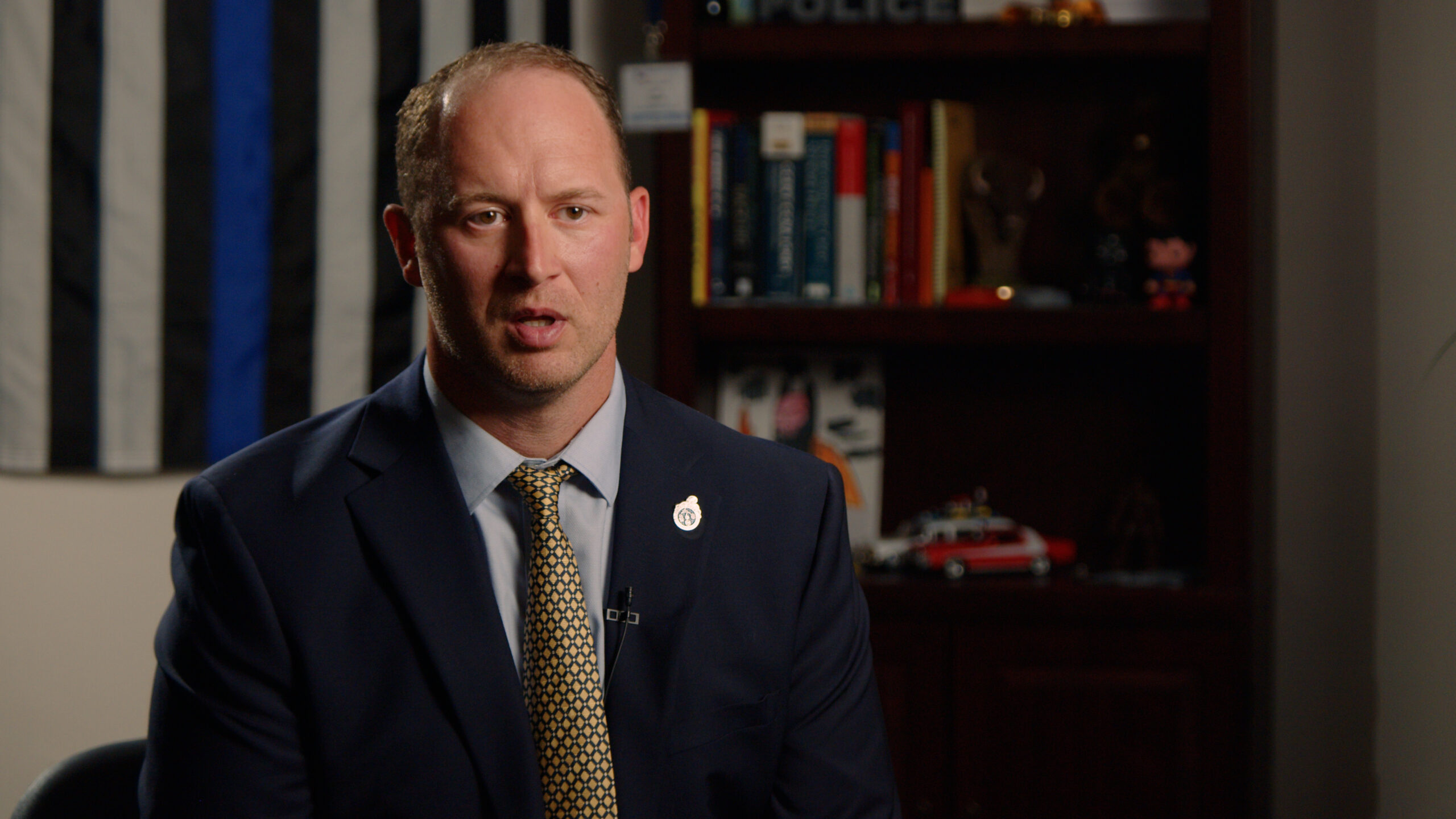
“People commit crimes with phones in their pockets,” explained Jeff Cavitt, Crime Lab Director at the Harding University Digital Forensics Lab. “And the phone is the silent witness.”
Predators often use a variety of methods to hide their sexual crimes against children. Some use disappearing messages or encrypted apps to make conversations vanish. Others store child sexual abuse material (CSAM) in hidden folders, disguised under innocent file names, or upload content to cloud services with sophisticated privacy settings. Some even use multiple devices to spread the evidence across platforms, hoping to stay one step ahead of investigators. Despite these efforts, digital footprints remain and trained forensic experts work relentlessly to uncover them.
But accessing and analyzing that information is often a race against the clock. Many law enforcement agencies don’t have their own digital forensics lab and must send evidence to state facilities, sometimes waiting weeks for results. Even for those with in-house labs, processing just two to five devices can take up to 69 hours. As cases continue to rise and investigations grow more complex, the backlog only gets worse. To investigators, it’s unacceptable when offenders walk free simply because evidence can’t be processed in time.
That’s why one university lab, backed by Our Rescue support, has stepped in to change the game.
The Harding University Digital Forensics Lab, one of the few of its kind in the United States, focuses specifically on digital evidence and forensics. It is uniquely staffed by undergraduate and graduate cybersecurity students who work side by side with former law enforcement personnel to analyze evidence and generate reports that can move cases forward faster for police.
More than half of these students plan to enter careers in law enforcement, making their hands-on experience invaluable both for their futures and for the survivors whose cases they help advance.
“We’re providing a service to the state,” said John Stone, a Detective with the Searcy Police Department who works with the lab. “And at the same time, we’re helping progress cases faster.”
The concept for the lab existed long before the resources did. With help from Our Rescue donors, that vision became reality.
“Getting the funding for the lab in the first place required outside sources,” said Jeff Cavitt. “Our Rescue has been in our corner from day one.”
Together, this innovative partnership is helping bridge the gap between limited law enforcement resources and the ever-growing need for rapid digital investigation. Every analyzed device represents not just data, but the possibility of justice for survivors who might otherwise remain unnamed. By uncovering hidden files, encrypted messages, and cloud-stored evidence, these investigations put predators behind bars and help bring rescue to children in need.
Law enforcement and university partners credit Our Rescue’s support and the generosity of our donors for making this truly unique program possible. “When we go to market our lab to other agencies, we have Our Rescue on there,” said Cavitt. “They’re huge supporters of us.”
This is what your donations are making possible. Help us fund more projects like this today.