Derek Benner: THE COST OF PROTECTING OTHERS
What if everything you thought you knew about human trafficking was only part of the story?
For decades, Derek Benner worked on the front lines of federal law enforcement, investigating criminal organizations, trafficking networks, and crimes involving some of society’s most vulnerable people. Eventually, he became Director of Homeland Security Investigations (HSI), one of the federal government’s principal investigative agencies.
Today, as CEO of Our Rescue, Derek is applying that experience to a different challenge: helping communities recognize exploitation, supporting survivors, and strengthening the partnerships necessary to protect vulnerable people.
In this episode of Unlikely Allies, hosts Sonny Von Cleveland and Jim Cole sit down with Derek for an extensive conversation about the realities of human trafficking, child exploitation, organized crime, and the people who dedicate their lives to fighting these crimes.
But this conversation goes far beyond law enforcement.
Derek takes us back to his childhood in Maine, where a teenage fascination with justice led him to contact the FBI long before he ever wore a badge. He shares his experiences working along the U.S.–Mexico border, explains the differences between human smuggling and human trafficking, and challenges the widespread misconception that exploitation is primarily a problem happening somewhere else.
The discussion also examines how offenders manipulate victims and the people around them, the evolving challenges created by technology, and the critical importance of understanding how exploitation actually occurs. Together, Derek, Jim, and Sonny explore the psychological toll of investigating crimes against children, the importance of supporting law enforcement professionals, and why lasting progress requires collaboration between government agencies, nonprofits, survivors, and local communities.
Throughout the conversation, Derek returns to a central belief: meaningful change requires more than awareness. It requires action, accountability, partnerships, and measurable results.
In this episode, you’ll discover:
- Why human trafficking is not exclusively a border issue.
- The important differences between human trafficking and human smuggling.
- How exploitation can occur within ordinary American communities.
- Why offenders sometimes groom the adults surrounding a child.
- How technology creates new challenges for investigators.
- The psychological impact of investigating crimes against children.
- Why law enforcement professionals need stronger mental health support.
- How public-private partnerships can strengthen prevention and survivor care.
- Derek’s vision for the future of Our Rescue.
This is a conversation about the realities of exploitation, the people working to stop it, and the responsibility we share to protect those who cannot always protect themselves.
Because protecting vulnerable people isn’t someone else’s responsibility. It’s a responsibility we share.
Watch on YouTube, listen wherever you get your podcasts.
Transcript
Read the full transcript +
00:00:05 Derek Benner
One of the toughest, grittiest, funniest, smartest people that I’ve ever met.
00:00:11 Derek Benner
Someone that you would never imagine would be
00:00:16 Derek Benner
Asking for help.
00:00:18 Derek Benner
And the only reason that she knocked on my door that day was because she trusted me.
00:00:29 Derek Benner
As a last ditch effort.
00:00:37 Derek Benner
And was basically saying, I don’t know where to go. I can’t do this anymore.
00:00:58 Sonny Von Cleveland
00:01:00 Sonny Von Cleveland
00:01:08 Sonny Von Cleveland
00:01:15 Sonny Von Cleveland
00:01:20 Speaker 3
Derek, welcome to the show.
00:01:22 Speaker 3
Tell the audience a little bit about yourself.
00:01:24 Derek Benner
Thank you, Sunny, and thank you, Jim. It’s great to be here with two friends. More importantly than anything else,
00:01:35 Derek Benner
I love this concept of the Unlikely Allies podcast. I think your network of people in the fight and being able to take more than just a thirty second pass at these issues and dive into the life experience from all angles of both child exploitation and human trafficking is probably there’s nothing else like it right now, and we need it. I’m excited to see the launch.
00:02:09 Derek Benner
And I’m here to tell you that I promise that I will be your most uninteresting guest on Unlikely Allies.
00:02:18 Speaker 3
I’m not sure that’s true. I don’t agree.
00:02:21 Sonny Von Cleveland
But let’s dive in and tell us about your life, your career, and how we got here.
00:02:27 Derek Benner
My journey was.
00:02:30 Derek Benner
Was not strange. I guess I was a weird kid who grew up in a small town in Maine.
00:02:38 Derek Benner
Fortunately
00:02:40 Derek Benner
It was a great place to grow up in the seventies and eighties. It was sort of insulated from
00:02:47 Derek Benner
From the realities of the bigger world, like many small towns and close knit communities.
00:02:56 Derek Benner
I had an odd sense of sort of.
00:03:00 Derek Benner
I guess I would call it sort of right and wrong as a teenager and felt very empathetic around the victimization of people or people that couldn’t stand up for themselves. I didn’t know the word exploited at the time. Bad people taking advantage of good people, and so what’s the intersection?
00:03:25 Derek Benner
How does that stop?
00:03:29 Derek Benner
I had this idea that I wanted to be
00:03:33 Derek Benner
At the time, this was all I knew: I wanted to be an FBI agent.
00:03:38 Derek Benner
And I remember going to the drawer in the kitchen of our house and getting the phone book out and looking up the Federal Bureau of Investigation to see if there was a phone number in this book because this was before.
00:03:59 Derek Benner
Obviously, any technology, and that’s how you found things. I found a small FBI office in Portland, Maine, in the city, and I just cold called them.
00:04:10 Speaker 3
How old were you then?
00:04:12 Derek Benner
I was probably fifteen or sixteen years old at the time.
00:04:16 Speaker 3
It’s great.
00:04:16 Derek Benner
Called them up
00:04:18 Derek Benner
And I still remember the name of the agent. His name was Ronald Dox D O X, and he was one of the few agents in the state of Maine in Portland.
00:04:28 Derek Benner
And I called up and I asked if they would come to my high school and talk to my class about a career in federal law enforcement. And selfishly, that was my way of getting your foot in the door. Trying to strike up a relationship with these people and maybe they give you some advice. It’s funny too. I also did that with the Maine State Police because that was so. I was using my curiosity. And leveraging my high school history or civics class as a pathway for my own potential.
00:05:06 Derek Benner
Interest in law enforcement. That really fueled the choices I made.
00:05:15 Derek Benner
Where I went to college.
00:05:17 Derek Benner
Again, the premise was maybe if I can go to college near Washington D. C. I could. I’ve heard of these like internships or like other things, maybe I could get one of those, and so I went to George Mason.
00:05:31 Sonny Von Cleveland
Wait! Did it work?
00:05:35 Sonny Von Cleveland
Did the FBI agent come to the school?
00:05:37 Derek Benner
Absolutely. Did he?
00:05:40 Sonny Von Cleveland
You cold called an FBI agent, and he actually showed up to the school and did.
00:05:44 Derek Benner
They were more than happy to do community outreach and
00:05:49 Derek Benner
And you know what? When Jim, when you got your badge and credentials. And someone asked you to come in a suit and go talk to kids in a school about being a special agent.
00:06:03 Derek Benner
That’s the icing on the cake for that.
00:06:06 Sonny Von Cleveland
That’s incredible. I would have never thought that would have worked.
00:06:09 Speaker 3
I talked to lots and lots of
00:06:11 Speaker 3
Wow, schools and kids and group and church groups and other groups.
00:06:16 Sonny Von Cleveland
I would have never thought that would have worked. That’s amazing.
00:06:19 Derek Benner
So then George, it’s like the most fun part of if you’re
00:06:26 Derek Benner
Answering a calling for a career that you love and are proud of, like going and talking about it to kids and communities, and it’s a really fun part of the job. I did it years later. Every time I would go back to Maine to visit my parents.
00:06:46 Derek Benner
My dad would be like, “Hey, would you come talk to the Rotary Club?” The Kwanis Club is like they’re interested in narcotics smuggling and I’m like yeah
00:06:55 Derek Benner
I’ll bring pictures and video.
00:06:57 Sonny Von Cleveland
That’s incredible.
00:06:59 Derek Benner
I think I kept Special Agent’s business card from Special Agent Docs for a number of years. It was just in my little keepsake bag. So I figured out if I can get close to Washington D.C., where all these headquarters are, I might have a pretty good shot at getting myself into a program that helps me sort of inch along.
00:07:30 Derek Benner
And I did that. I applied as a cooperative education student for U.S. Customs Service.
00:07:37 Derek Benner
And the tradeoff was I gave up a little bit of the sort of traditional college experience.
00:07:46 Derek Benner
What you do is go to school for a semester.
00:07:50 Derek Benner
And then you work for a semester full time.
00:07:53 Derek Benner
So here I was, twenty years old.
00:07:56 Derek Benner
Commuting on the metro into D.C.
00:07:59 Derek Benner
Or on the Slug Line with a thousand other people hitching a ride into D.C. To Fourteenth and Constitution, walking into this government building and doing
00:08:11 Derek Benner
Intern type work, which was not the most glorious. But I was there. I was in there, and you do that for a period of two years.
00:08:21 Derek Benner
And the trade-off is upon graduation that you get offered some sort of position, entry-level position as a full-time employee.
00:08:38 Derek Benner
You lose a lot of that traditional college experience because you become a college student and then you’re a commuter.
00:08:46 Derek Benner
Northeastern University had a huge program, and a lot of the customs folks that you and I know from the day were part of either Michigan or Northeastern or George Mason co-ops.
00:08:59 Derek Benner
So it’s a great pathway for anybody out there that’s watching and knows people that are interested at a young age in pursuing a career in federal law enforcement. There are those opportunities.
00:09:13 Derek Benner
Student volunteers, co-ops, interns.
00:09:17 Derek Benner
It’s a good way to kick the tires and see if it’s for you.
00:09:21 Derek Benner
It was clearly for you.
00:09:25 Derek Benner
it was. it was. Thirty years later
00:09:28 Derek Benner
It definitely was. And I always say, and I’m skipping ahead, but I always say, I think Jim, we’ve talked about this
00:09:38 Derek Benner
To look back at a thirty-year
00:09:42 Derek Benner
Stint in any occupation at all, and to say that ninety-five percent of the time
00:09:47 Derek Benner
Over that thirty years, I actually loved what I was doing. And if I didn’t have to pay bills and support, I probably would have done it for free. I didn’t care about the money. I never once was like, ‘am I getting overtime for this weekend?’
00:10:04 Derek Benner
It’s past five. Should I
00:10:06 Sonny Von Cleveland
And when you’re willing to do something for free, that’s how you know you love it.
00:10:09 Speaker 3
Do it anyway.
00:10:10 Sonny Von Cleveland
That’s how I feel about this space.
00:10:12 Sonny Von Cleveland
I read up on you. I’ve done some research and I know that your passion for this work started on the border. When you went down to the border, can you talk about that and take us through it a little bit?
00:10:30 Derek Benner
And yeah, so I. When I graduated from college, I got a job offer from Customs to go to San Diego, California. Which you imagine, being from Maine, I’d been to California one time.
00:10:45 Derek Benner
And I was like, “This is a dream.”
00:10:46 Speaker 3
Couldn’t get more opposite.
00:10:49 Derek Benner
What they didn’t tell me was the duty station was San Ysidro, California, which is right there on the U.S.-Mexico border. It’s the world’s largest port of entry.
00:10:59 Derek Benner
Tens of thousands of cars and people cross the border every day from Mexico into California.
00:11:07 Derek Benner
Tons and tons of commercial traffic and cargo. It was a mind blowing experience. My first year, the enormity of what the border looked like.
00:11:24 Sonny Von Cleveland
Because if you haven’t seen it
00:11:26 Sonny Von Cleveland
It’s shocking to the eyes just when you see that massive overpass. I don’t know what you actually call it at the border.
00:11:35 Speaker 3
The bridge where the lanes.
00:11:37 Sonny Von Cleveland
There’s all the lanes that are coming.
00:11:40 Sonny Von Cleveland
Wow! It’s really unprecedented to see something like that.
00:11:44 Derek Benner
And you see 25 lanes of cars going back into Mexico, stretching as far as the eye can see.
00:11:52 Derek Benner
And knowing that people are waiting two, three, four, five hours every day to cross back and forth.
00:12:00 Derek Benner
It looks very different now because they’ve completely re-built that.
00:12:05 Derek Benner
Now it’s like twice as big and it looks a lot nicer. But I was in uniform.
00:12:12 Derek Benner
So you started as an inspector.
00:12:15 Speaker 3
So maybe tell people what an inspector is.
00:12:17 Derek Benner
So a customs inspector is sort of the first person you see as a traveler when you enter the United States.
00:12:27 Derek Benner
Via airport
00:12:28 Derek Benner
A land border would cross over a bridge.
00:12:34 Derek Benner
It’s what CBP officers are today. Customs inspectors were pre the creation of Department of Homeland Security.
00:12:46 Sonny Von Cleveland
CBP is Customs and Border Patrol.
00:12:47 Derek Benner
Customs and Border Protection. Protection.
00:12:50 Derek Benner
And so you know, my.
00:12:56 Derek Benner
My dream was to be a special agent.
00:12:59 Derek Benner
But I didn’t blink an eye about starting in uniform and really like learning.
00:13:06 Derek Benner
And starting at the ground level of what this occupation is all about. Those of us that were inspectors and became agents later on always say that at the moment we were sort of miserable working.
00:13:22 Derek Benner
Eight, twelve, sixteen hour shifts.
00:13:25 Derek Benner
Working the midnight shift, but we wouldn’t trade it for anything in the world.
00:13:32 Derek Benner
When we moved on to become a special agent, it was a life changing experience. I’ll tell you, it took me a minute to figure it out.
00:13:43 Derek Benner
But what stuck with me was the enormity of human exploitation that occurs at the border.
00:13:53 Derek Benner
And it’s the one opportunity that sort of shines a light.
00:14:00 Derek Benner
Government is there doing their job.
00:14:03 Derek Benner
And so you have an opportunity to discover the criminal enterprises that are exploiting people. And of course, we miss a lot of it.
00:14:14 Derek Benner
We know that, but a lot of it we see
00:14:17 Derek Benner
And the.
00:14:19 Derek Benner
The human crime and the sad stories that you see every day, like at the hands of drug cartels, smuggling cartels
00:14:34 Derek Benner
Fraudsters. Just imagine. It’s a sea of people.
00:14:40 Derek Benner
Essentially exploiting each other.
00:14:42 Sonny Von Cleveland
For the laymen that don’t know, myself included.
00:14:47 Sonny Von Cleveland
What is the job of the border patrol agents?
00:14:51 Sonny Von Cleveland
Officers on site are to ensure illegal things are not coming into the country. Is that the primary focus and goal?
00:15:01 Speaker 3
You got to split out the border patrol has a very specific job
00:15:05 Speaker 3
And then there’s the inspectors. They’re not the same.
00:15:10 Sonny Von Cleveland
The custom inspectors.
00:15:11 Speaker 3
They’re different. They’re different. They’re different.
00:15:13 Sonny Von Cleveland
Border patrol patrols the border.
00:15:15 Speaker 3
Border patrol is the green uniform folks that are responsible for patrolling the border.
00:15:22 Sonny Von Cleveland
And the custom inspectors are the ones that are
00:15:25 Sonny Von Cleveland
In seeing who’s coming over to ensure there’s nothing illegal in the vehicle.
00:15:29 Sonny Von Cleveland
Is that safe to say?
00:15:30 Derek Benner
I would say so. Border Patrol’s responsibility is between the ports of entry along the borders with Mexico and Canada. There, the vast areas where there may be a wall, there may be no wall. It might just be natural boundaries.
00:15:46 Derek Benner
Smuggling cartels leverage those pathways just as much as they do at ports of entry, where cars cross, trains cross, and people cross.
00:15:56 Derek Benner
The inspectors are responsible for the official ports of entry, and Border Patrol is essentially responsible for everything else. And they have checkpoints, and they patrol the border. They’re looking for the same thing, which is the introduction of illicit contraband and prohibited items into the United States. This includes everything you can imagine, from narcotics to weapons and anything not permitted by law to enter the United States.
00:16:33 Derek Benner
Which is a pretty powerful authority too, because law enforcement everywhere else.
00:16:41 Derek Benner
Needs like some sort of judicial process to do what at the time customs and border patrol can do at the border, so it’s basically a warrantless search because you’re asking you’re essentially applying for admission into the United States
00:16:58 Derek Benner
And there’s border search authority that grants the government the ability to essentially search and ask, and you present yourself for inspection.
00:17:12 Sonny Von Cleveland
Sure, it’s the trade off. If you want to come into our country, you have to agree to let us search and make sure you’re not bringing anything in.
00:17:17 Derek Benner
And so it’s a lot of authority for the U. S. Government, but it also is a lot of opportunity to intercede.
00:17:28 Derek Benner
And have some consequences against the smugglers or other bad actors exploiting our borders.
00:17:38 Derek Benner
Or exploiting our trade, travel, and financial systems.
00:17:41 Speaker 3
And I think an important part of this for laymen is that it’s not just people coming in; it’s also people going out. So there’s inbound and there’s outbound.
00:17:50 Sonny Von Cleveland
Does that same rule apply? For someone that’s leaving. If I’m leaving and going into Mexico, does that same authority fall into that, if you’re trying to leave our country?
00:18:00 Sonny Von Cleveland
We’re also allowed to inspect.
00:18:01 Derek Benner
Because the United States also has very powerful export control laws. For example
00:18:09 Derek Benner
Taking bulk U. S. Currency out of the country in the form of what we would say is drug proceeds and taking that U. S. Currency back to Mexico.
00:18:22 Derek Benner
It’s not illegal to do it. It’s illegal to not declare it.
00:18:27 Derek Benner
Gotcha. So if you don’t declare it
00:18:29 Derek Benner
And declaring it means you’re filling out a CBP form or a customs form that says you’re transporting more than ten thousand dollars in monetary instruments.
00:18:39 Sonny Von Cleveland
That makes sense.
00:18:40 Speaker 3
We use that all the time. We did lots of outbound searches. We did lots of inbound searches.
00:18:45 Sonny Von Cleveland
And can you speak to some of the
00:18:48 Sonny Von Cleveland
The crazy things that you’ve seen?
00:18:50 Sonny Von Cleveland
Because I have to imagine, not all of them are highly intelligent, sophisticated smugglers. I’ve seen the news stories of us finding a car that’s got fifty-two people in it.
00:19:00 Sonny Von Cleveland
How did you think you were going to do that?
00:19:04 Sonny Von Cleveland
Have you seen crazy things like that?
00:19:06 Derek Benner
Every day, every hour of every day, and what you see having that much at the border.
00:19:14 Derek Benner
At the time, in my work, throughout a lot of my whole career was at the U.S. Mexico border as a working agent. What you’re seeing is the cartel activity being and their plan being executed at scale.
00:19:34 Derek Benner
And so they’re not sending one car or one truck or one person.
00:19:38 Derek Benner
They’re sending a hundred at a time. They are doing this at scale. They know that the government is there, and they know that there is the potential for the discovery of contraband.
00:19:52 Derek Benner
And they’re just playing the odds.
00:19:55 Sonny Von Cleveland
And so, the work is important for people to see this because
00:19:58 Sonny Von Cleveland
Growing up
00:19:59 Sonny Von Cleveland
As someone not involved in law enforcement or any of that
00:20:03 Sonny Von Cleveland
We always imagine that these are very sophisticated operations. Like there is coyotes, and they are smuggling. They’re sending over a diversion tactic over here so they can get this big. Truck full of people or guns or drugs into the country, and it’s a little bit different than that. The reality is
00:20:20 Derek Benner
Think of it as a multinational for-profit business that has a strategy and a marketing plan. They have thousands of employees at different levels who are in charge of logistics, recruiting and procuring resources, and they are working.
00:20:41 Derek Benner
A recruiter for load drivers, recruiters to run stash houses.
00:20:46 Sonny Von Cleveland
So when they say it’s a sophisticated network, it’s a sophisticated network.
00:20:50 Speaker 3
So I think the kind of way to frame it for the public is there’s both sophisticated and unsophisticated acts happening all the time. And so even a cartel could be involved, and it might be part of a sophisticated plan, but the actual act may not be that sophisticated.
00:21:11 Speaker 3
They may have, and I think this goes to human exploitation because you see cases where they have really blackmailed, coerced someone, usually through threats of violence, because maybe a family member owes the cartel money, and so the way that the cartel is going to get that back is
00:21:30 Speaker 3
Your wife is going to drive a load across
00:21:34 Speaker 3
That’s part of that exploitation. So that’s not a very sophisticated act.
00:21:40 Speaker 3
But there’s a sophisticated organization that’s causing that to happen. Does that make sense?
00:21:47 Speaker 3
And I was never in San Isidro as an agent, but we would hear of the tunnels, and I mean, you’re talking about tunnels that start on the Mexican border, come across, and then pop up and are fairly sophisticated in how all that works. It’s a little bit of both.
00:22:07 Derek Benner
It’s it’s it’s a.
00:22:08 Derek Benner
It’s a business structure. Let’s take the illicit aspect of it out of the picture and just think of it as a multinational corporation that has a product and has customers, and they have to get it from point A to point B. And there’s employees and contractors and subcontractors at every level that have a job to do. And part of the power of cartels, whether they’re smuggling people or contraband
00:22:35 Derek Benner
Is territory.
00:22:37 Derek Benner
And a lot of the violence that you hear about on the south side is about controlling territory and the plazas.
00:22:47 Derek Benner
If Jim controls a pathway to the border
00:22:50 Derek Benner
Jim gets to collect a toll from organizations moving product. And if they don’t pay that toll, or they think Jim is a little weak, then we’re going to take this plaza, boss. We’re going to take this plaza over, and we’re going to control it.
00:23:05 Sonny Von Cleveland
So on the south side of that fight
00:23:08 Sonny Von Cleveland
The cartel is battling who for territory: the Mexican government
00:23:12 Derek Benner
Each other primarily. The Mexican government, law enforcement intercede and disrupt where they can.
00:23:21 Derek Benner
But I mean, if we want to talk about the war on drugs, do I need to sit here and tell you that we’re winning or we won?
00:23:28 Sonny Von Cleveland
Sure.
00:23:30 Derek Benner
We know the results of over the last thirty years, forty years that the war on drugs has been in place.
00:23:36 Sonny Von Cleveland
I just want to give our viewers an idea of the structure of what we’re talking about, and how this looks, so that we don’t have the misconception that it’s only happening in these little secret areas where people are doing this sophisticated high end running. It’s actually so overwhelming that they’re just counting and playing the odds. It’s a roulette wheel, and they’re like, will these ten get caught? But this one got.
00:23:59 Speaker 3
They have a business plan, and it’s also a constant cat and mouse game. One of the biggest issues is that as technology continues to advance, drones are now a big part of the smuggling game, and that’s a new kind of thing.
00:24:15 Speaker 3
But we also talk about sophistication, or where full on submarines have been.
00:24:22 Sonny Von Cleveland
Wow, they’re using submarines.
00:24:23 Derek Benner
Semi submersibles
00:24:25 Sonny Von Cleveland
Wow,
00:24:26 Derek Benner
So any thriving for-profit corporation has a strategy and a plan.
00:24:34 Derek Benner
The cartels do too.
00:24:36 Derek Benner
Their survival depends on it, just like a for-profit. And so they have a multi-pronged strategy that says, ‘We’re going to leverage. Say, in San Diego, for example, we’re going to use vessels to come up the coast of California. We’re going to invest in constructing tunnels, and we’re probably going to spend a year or two building it. It’s going to cost us a lot of money, but we’re going to build an underground tunnel from location A in Mexico and location B just on the north side of the border.’
00:25:11 Derek Benner
In a warehouse
00:25:13 Derek Benner
And we’re gonna pump air through it. We’re gonna pump lights. We’re gonna build a rail system so that we can more efficiently move. All this is just logistics and supply chain. If you want to really break it down
00:25:25 Sonny Von Cleveland
Like the miners when they were mining gold in the mountains, it’s logistics and supply chain.
00:25:30 Derek Benner
How can we do more?
00:25:32 Derek Benner
And faster and more efficiently, and do it secretly. Obviously helps
00:25:38 Derek Benner
But not only are we going to use the water and go underground, but we’re going to use the commercial port of entry and commercial traffic to try to build compartments in semi trucks. We’re going to use cars and build compartments.
00:25:51 Derek Benner
And we’re going to send as many of those. They’re hitting all aspects of the infrastructure.
00:25:57 Speaker 3
Some really sophisticated compartments.
00:26:01 Speaker 3
When I worked narcotics, I was trained in highway interdiction and looking at cars where
00:26:08 Speaker 3
You would have to have your foot on the brake pedal and push a button on the radio and then touch a hanger to this connector and then the dash would basically pop up and the drugs would be under it.
00:26:21 Speaker 3
Wow, stuff like that.
00:26:22 Derek Benner
We saw things as rudimentary as.
00:26:28 Derek Benner
Gas tanks converted into essentially a storage compartment for narcotics and people.
00:26:35 Derek Benner
We saw the entire floor of a vehicle being raised by four or five inches. Back seats were hollowed out.
00:26:45 Derek Benner
Just anything you can imagine from an engineering standpoint.
00:26:48 Sonny Von Cleveland
Tires, yeah
00:26:49 Derek Benner
Wow, tires, one hundred percent.
00:26:51 Speaker 3
And then there are certain cars that have natural voids in them, and so they would take advantage of those natural voids and put drugs or money.
00:26:59 Sonny Von Cleveland
Highly intelligent people that are. This isn’t just some dummy that’s trying to stuff something in an open compartment in a vehicle. They’re like reconstructing.
00:27:09 Derek Benner
There were those definitely.
00:27:11 Speaker 3
There were those.
00:27:12 Derek Benner
There were those for sure.
00:27:13 Sonny Von Cleveland
So can you take us to the thing that really caught you in that moment? Working as a young agent on the line down there, and there was that moment. You’re like, this is out of control.
00:27:26 Derek Benner
I would say the enormity of it was like almost every single hour of every single day. In a twenty four hour shift, there would probably be, on average, at that time
00:27:40 Derek Benner
Fifteen to twenty incidents of smuggling, like significant smuggling of narcotics and people.
00:27:48 Sonny Von Cleveland
That much,
00:27:50 Derek Benner
And I think we should reset the border discussion a little bit because there’s a lot of talk about border security, or in this current administration and before. I’ve seen all of the iterations of what border security means when it’s very strong and when it’s very weak, and the under crime doesn’t start and stop at the border.
00:28:21 Derek Benner
That’s what we need to understand. These are the borders.
00:28:27 Derek Benner
Where government has a chance to intervene and do something to save people or do the enforcement work
00:28:36 Derek Benner
But it continues into the interior of the United States and it starts way beyond along the illicit pathway from the southern hemisphere.
00:28:49 Derek Benner
We were seeing caravans and smugglers facilitating the travel of thousands of people from South America through Panama, the Darien Gap, all the way up through into Mexico.
00:29:05 Derek Benner
And every bit of that journey, there’s massive amounts of crime and exploitation happening against these people making the journey.
00:29:16 Sonny Von Cleveland
And these are people that are just trying to get to a better life.
00:29:20 Derek Benner
And if you watch, like you know, so you know, my
00:29:24 Derek Benner
You watch Tom Homan, the borders are, for example, and he talks about the travesties that happen to people at the hands of smuggling organizations. I’m just telling you these are the facts. This is what I know from my experience. He’s absolutely right.
00:29:44 Derek Benner
Women, children, and men are being exploited on that journey.
00:29:49 Derek Benner
By smugglers and cartels.
00:29:51 Sonny Von Cleveland
I imagine there’s no rules.
00:29:53 Speaker 3
They’re involved in that. The folks that are trying to get across are very vulnerable. And the people that are doing the coyotes are powerful.
00:30:04 Derek Benner
And I’ll say
00:30:06 Derek Benner
So that’s true. That’s real. And border security.
00:30:12 Derek Benner
Like means a lot to me because I think it’s really important that government and law enforcement have the best opportunity to intervene, particularly in crimes of trafficking and smuggling, and particularly child exploitation. People who travel across international borders to abuse children.
00:30:31 Derek Benner
That’s an opportunity for government through a strong presence, strong information, and footprint to be able to help resolve some of those issues.
00:30:42 Derek Benner
I think what people sometimes forget with the attention on this is they focus on the border itself.
00:30:49 Derek Benner
The cartels and their people are in our towns. They’re in our cities. They’re on our highways. They’re in our hotels. On the roadways. They’re here. So the border.
00:31:04 Derek Benner
I think sometimes when we talk about border security, we do a disservice to the fact that we’re fighting this in our neighborhoods, in our communities every day.
00:31:13 Derek Benner
I remember during the fentanyl crisis when it first became
00:31:20 Derek Benner
The first phenomenon was pure fentanyl being ordered on the dark web.
00:31:29 Derek Benner
Paid for in certain forms of crypto, being ordered from China directly, and they were being express shipped by small packages into the United States. And so you guys remember at the time all the big mail facilities
00:31:43 Derek Benner
It was a scary time because the tiniest particle of pure fentanyl can kill you. And so here it is, just flying into airplanes in cargo.
00:31:57 Derek Benner
These boxes, these envelopes, and then from there they were going to sort of what I call homegrown chemists that were ordering pill presses, cutting agents, and other things, and cranking out fentanyl pills in their basements.
00:32:11 Derek Benner
And they were dying at an astonishing rate too. I can’t tell you how many during that twenty seventeen through twenty nineteen period where morgues were overrun by fentanyl ODs.
00:32:26 Derek Benner
Because the people making the pills didn’t know what they were doing.
00:32:30 Sonny Von Cleveland
They were just so drug dealers and distributors themselves are dropping off like flies and putting a product out there that was killing Americans every day.
00:32:42 Derek Benner
And so it was the first time in my career that I had seen a narcotics operation of supply, production, sales.
00:32:54 Derek Benner
And profit.
00:32:56 Derek Benner
Where you didn’t have to leave your house. Think about this: with a computer on the dark web, sourcing pure fentanyl from China, placing an order, paying for it with crypto, it shows up at your house, delivered.
00:33:10 Derek Benner
You turn and make pills out of it.
00:33:13 Derek Benner
You take orders via the dark web.
00:33:17 Derek Benner
And you fulfill those orders. You mail them back out, and then you get paid in either cash or crypto. You didn’t have to leave your house. You didn’t have to go on a street corner and stand there and be exposed to law enforcement. There was no hand to hand. There were no co-conspirators that law enforcement could.
00:33:38 Derek Benner
That was a phenomenon that was so unique and interesting to me because my whole career involved large amounts of narcotics, transportation, and being on the streets.
00:33:52 Derek Benner
Stash houses.
00:33:54 Derek Benner
Stash houses get discovered. Working with confidential informants, this was one man, one woman.
00:34:02 Sonny Von Cleveland
This is directly from distributor to
00:34:06 Derek Benner
And if you talk to Guy Gino about his experience in that space, it’s amazing. Because now, why did that end?
00:34:18 Sonny Von Cleveland
I was gonna say, how did you get ahead of that? How did we do? How did law enforcement get?
00:34:23 Derek Benner
The so we talked about the sophistication and the business plan of cartels. They saw what was going on, and they saw they were losing market share by these people that had sort of entrepreneurially gone into operations
00:34:39 Sonny Von Cleveland
Into independent operations.
00:34:40 Derek Benner
So much like the methamphetamine.
00:34:44 Derek Benner
Do you remember a time in the United States when there were meth labs?
00:34:47 Speaker 3
So mobile meth labs. My first year on our Central Oregon Drug Enforcement Team, when I was a local law enforcement, Oregon was huge, especially in the high desert area of Oregon where I was.
00:35:02 Speaker 3
We don’t quote me on the exact numbers, but we had worked something like in the first year that the meth phenomenon started to hit.
00:35:11 Speaker 3
Something like twenty-five to thirty labs
00:35:15 Speaker 3
And then the next year, it exploded. We worked like almost a hundred labs. And we’re talking about everything from what we call coffee pot labs to Breaking Bad. Much, much. I never had a lab like quite. That’s very Hollywood eyes. All the way up to a more commercial style, like heavier, and before that
00:35:43 Speaker 3
You kind of had some biker gangs that were using the older method to make meth, and there’s a lot of telltale signs of that. But then people figured out
00:35:55 Speaker 3
And look, anybody who has wanted to go to the pharmacy and get Sudafed.
00:36:02 Speaker 3
And a lot of people today don’t, especially if they’re a little bit younger, in their twenties and thirties, have any idea why they have to show their ID to buy Sudafed.
00:36:10 Sonny Von Cleveland
Right? Everyone that started to happen, where you can’t buy that anymore.
00:36:14 Speaker 3
Before that, people were going to CVS and clearing out the Sudafed aisles.
00:36:23 Speaker 3
There would they like town by town going do, and we saw that in Central Oregon, and it’s like what
00:36:32 Speaker 3
Pulling the actual pseudoephedrine out of those tablets is one of the precursor chemicals to make methamphetamine. Plus, match heads was another big one to get phosphorus because phosphorus wasn’t that easy to get in bulk, although it wasn’t impossible. But people would buy the stick match heads and then basically ground all the phosphorus off of those.
00:36:58 Sonny Von Cleveland
Right? Time though, that would.
00:37:00 Speaker 3
But they’re doing it because they’re making a lot of money by selling the methamphetamine.
00:37:05 Derek Benner
But it disappeared, and then all of a sudden there were none.
00:37:07 Speaker 3
There were none, and now it wasn’t because of us.
00:37:10 Derek Benner
It wasn’t because
00:37:12 Derek Benner
Noble effort by Jim and his friends, and I guess me maybe to some degree, but no, it was not us. It was the market.
00:37:20 Derek Benner
The cartels again, the creativity and their market awareness, and I would say, and I’m not trying to give them credit, but let’s just talk about what the facts are. They were entrepreneurial. They started to see this opportunity.
00:37:37 Derek Benner
When I started at the border, we were seizing coming into the country bulk quantities of red phosphorus, pseudoephedrine
00:37:46 Derek Benner
Red hydrochloric acid
00:37:48 Derek Benner
All the components to make meth, and they were smuggling it into the United States to go to these labs. That stopped.
00:37:58 Derek Benner
There, I don’t know. I don’t keep track with DEA on what the lab situation is right now, but I think it’s probably almost zero.
00:38:06 Speaker 3
In the U.
00:38:06 Derek Benner
Because the cartels took over all of that and moved it to Mexico and built super labs. They built the Breaking Bad labs. They brought in the chemists and the engineers, and they built these clandestine super labs out in the middle of nowhere, and their production.
00:38:30 Derek Benner
Exponentially increased overnight, and then the finished product is coming into this country as we sit here.
00:38:37 Speaker 3
And it’s higher quality than what most of the labs in the U.S. were making. And the other piece is
00:38:43 Speaker 3
So the cartels already have distribution locked down. This is just another product they add to the same distribution channels that they’ve always had. And you know, even before meth, we saw the same thing with marijuana. Again, working in Oregon, one of the big things we had was marijuana grows.
00:39:02 Speaker 3
And Mexican weed at the time was considered ditch weed. It was not good, and the cartels figured out they were losing share because of the quality of what was being grown in the United States. Now it’s all changed because we’ve legalized a lot of it.
00:39:16 Speaker 3
But then all of a sudden you started seeing the quality of what was coming out of Mexico increase dramatically because they’re trying to cut into that market share as well. They did it with the methamphetamine, and then they did it with the fentanyl.
00:39:28 Derek Benner
I remember telling we did a Facebook Live event at C three. During the height of the fentanyl thing, I don’t know why we did it at C three, but one of the things I remember talking about that day was
00:39:45 Derek Benner
God forbid
00:39:46 Derek Benner
That the same phenomenon repeats itself that happened with methamphetamine. The cartels take this business model and grow it a hundredfold exponentially in the clandestine lab environment, and within a year, that’s exactly what happened. We don’t seize small amounts of fentanyl from China anymore. They have cornered the market, and now
00:40:17 Derek Benner
It’s just another skew on their list of items that goes through their illicit pathway in their supply chain. I say that with the focus on a secure border, which I think is great. It’s good for everybody. But don’t think for a second that the cartels, the traffickers, and these organizations aren’t in our communities working. In part of these illicit enterprises.
00:40:48 Derek Benner
Because crime does not start and stop at the border.
00:40:51 Sonny Von Cleveland
The border is an opportunity with the amount of profit that’s involved in the sophistication of these organizations. It’s not just the United States; they’re in every country.
00:41:01 Derek Benner
It’s it’s a multinational. It’s a multinational corporation
00:41:05 Derek Benner
And you guys have seen the numbers. You know the estimates of illicit proceeds. Just take human trafficking by itself.
00:41:14 Derek Benner
Estimates a hundred and seventy billion dollars a year.
00:41:17 Sonny Von Cleveland
Seventy billion. I was off by a hundred.
00:41:19 Derek Benner
It’s a rounding error. Sunny, you’re all right. Wow. But that’s what drives me crazy, and this brings me sort of to like
00:41:27 Derek Benner
Because we went down the border rabbit hole, it’s kind of what I know.
00:41:35 Derek Benner
But our biggest hill to climb at our rescue and for our partners are.
00:41:43 Derek Benner
That we work with is the misconception that child exploitation and trafficking doesn’t happen where I live.
00:41:51 Derek Benner
One hundred percent. That is the mountain that we have to take first, and we’re not doing a great job of that.
00:41:59 Derek Benner
And so I talk about the cartels and the smugglers as a way to reinforce that they are here in our communities, big, small, medium.
00:42:11 Derek Benner
Urban, suburban. With good law enforcement, with no law enforcement, they’re operating.
00:42:16 Sonny Von Cleveland
I think an important correlation here is that we lay the foundation of who they are, who these people are, what they have done, because what they’re doing with these illicit substances, they’re doing with human beings, with children, with adults. I’ll give you an example: smuggling them in, and they’re committing these atrocities.
00:42:35 Derek Benner
So there’s a difference between smuggling and trafficking.
00:42:40 Derek Benner
Trafficking is force, fraud, and coercion. Whether it’s sex trafficking, labor trafficking, smuggling is the act of paying for a service of which people are smuggled into the country. But smuggling does become trafficking in my experience. And I’ll tell you, we used to see it all the time in Arizona and Southern California.
00:43:03 Derek Benner
Where groups of.
00:43:07 Derek Benner
Of people that have been smuggled into the United States are successfully brought across the border, whether it’s between the ports of entry or at the ports of entry. Then they go to a stash house.
00:43:17 Derek Benner
And the stash house is where the smuggling organization is supposed to fulfill their contract of transportation into the interior or whatever the agreement is.
00:43:31 Derek Benner
There was a period of time where the smugglers saw an opportunity.
00:43:36 Derek Benner
To exploit,
00:43:38 Speaker 3
Squeeze more money out of these.
00:43:41 Derek Benner
So they hold them captive. Here’s the force part. They hold them captive and essentially extort money from their families and loved ones back home. Hey, we’ve got your loved one.
00:43:57 Derek Benner
She’s not. He or she is not leaving until they thought they were coming over to get out.
00:44:02 Sonny Von Cleveland
And instead, when we got you here, we’re keeping them.
00:44:05 Speaker 3
And so they already paid to get them over to do the smuggling part to get them here. But once they got here
00:44:13 Derek Benner
It’s the contract change.
00:44:15 Speaker 3
Because there are no rules. Further advance, that’s right. And there’s no enforce, like, right? What are you going to do? What are they going to do?
00:44:23 Derek Benner
And then it becomes
00:44:27 Derek Benner
The force that we’re holding you.
00:44:29 Derek Benner
Your documents are not your documents, or whatever you had is not yours. If your family can’t essentially pay up more money, then there’s the opportunity for sex trafficking, labor trafficking. You’re going to essentially work that off, and we’re going to control your movement, and we’re going to include all the elements of what a trafficking scenario looks like.
00:44:53 Speaker 3
The vast majority of that turns into labor trafficking. It’s seventy billion, and the vast majority of that is labor trafficking.
00:45:02 Speaker 3
And sex trafficking is a real thing on the border, but I think what people also need to understand is that all of the exploitation crimes, child exploitation and trafficking crimes that occur in the United States are also not foreign-born crimes.
00:45:18 Sonny Von Cleveland
That’s what I was going to say.
00:45:20 Speaker 3
I think the vast majority of the folks that I arrested were American citizens.
00:45:25 Sonny Von Cleveland
And that’s the thing I think because of the ubiquitousness of
00:45:31 Sonny Von Cleveland
The knowledge of trafficking and people and drugs and all that from Mexico. People think that the only people that this is really happening to are the people that are smuggled in from another country. That’s just not that. I think that’s the smallest fraction, probably. We’re looking at. I think I read a statistic that eighty four percent.
00:45:52 Sonny Von Cleveland
Eighty five percent of child exploitation.
00:45:56 Sonny Von Cleveland
In trafficking is homegrown; it happens here in our towns and our communities by our own citizens against our own citizens.
00:46:05 Sonny Von Cleveland
And this is a wonderful opportunity to show: it’s the smallest fraction; this is the biggest problem.
00:46:11 Derek Benner
It’s here.
00:46:13 Sonny Von Cleveland
Our rescue is on a mission to end child exploitation in human trafficking. These are the people that are doing the deep work, facilitating resources and organizations around the world. To try to fight and eliminate this crime type, your support goes so far. Every dollar goes to support survivors in their healing journey and help the officers, the investigators, the clinicians that do this work. If you’re enjoying this podcast, if you appreciate what’s being brought to you, please consider making a donation. Go to ourrescue dot org and learn more on how you can support today.
00:46:46 Derek Benner
Criminal street gangs notorious for narcotics distribution at the lowest level, but also sex trafficking, and that’s what I call homegrown criminal street enterprises, criminal street gangs. It’s also transnational gangs. So MS thirteen TDA is massively involved in human trafficking.
00:47:12 Speaker 3
Anything any criminal enterprise that can make them money. They’re going to engage in that includes.
00:47:19 Speaker 3
Sex trafficking
00:47:21 Sonny Von Cleveland
And we see it glorified in movies or in music culture with pimping and it’s cool to be a pimp. That’s sex trafficking. You are trafficking another human. You’re not a pimp. You’re not somebody cool. You are abusing people and trafficking them. You’re selling them.
00:47:37 Derek Benner
That doesn’t. That the language, the words we use are important in sort of that taking that hill. One hundred percent.
00:47:47 Derek Benner
Then this is something I think about every day.
00:47:51 Derek Benner
Is when you look at the work of nonprofits on any issue
00:47:59 Derek Benner
And if you see an organization that is fighting cancer or Alzheimer’s and research, and you like, you immediately think, yes, cancer is bad, and Alzheimer’s is bad. I’m just using those, and it can happen to anyone. It doesn’t matter if you’re rich or poor, where you live, or none of those factors mean anything to cancer or Alzheimer’s. We’re way far left of that understanding when it comes to trafficking and child exploitation.
00:48:33 Derek Benner
It’s horrible. I’m sure it happens in far off places in the world. It happened to me, but I live in a nice town with law enforcement and we have good schools.
00:48:45 Derek Benner
Guess what? Like no, that’s right.
00:48:48 Sonny Von Cleveland
That’s exactly where it’s happening.
00:48:49 Derek Benner
And no.
00:48:50 Speaker 3
And child exploitation.
00:48:53 Speaker 3
One thing about trafficking I think other people need to understand is by the very definition of trafficking
00:48:58 Speaker 3
There needs to be a commercial aspect to it.
00:49:00 Derek Benner
There needs to be proximity.
00:49:02 Speaker 3
Geography.
00:49:02 Derek Benner
That’s right.
00:49:03 Speaker 3
There needs to be a transaction. There’s a transactional component.
00:49:08 Speaker 3
Generally speaking, I like to describe trafficking as a triangle.
00:49:11 Speaker 3
Where you have a trafficker. You have the trafficked victim, and then you have a customer. And the customer is engaging with the trafficker to get to basically lease time, with the right that people say buy.
00:49:27 Speaker 3
But it’s really they’re leasing time with that person engaged, right? And I put a dollar sign in the middle when I put this on a PowerPoint for people because the motivation there is monetary for the trafficker, right? And this person is paying usually money. Now the law doesn’t require it to be money; it can be anything of value.
00:49:50 Speaker 3
But still requires that transactional piece and a trafficker.
00:49:57 Speaker 3
The child exploitation side of the house is not usually involving monetary gain. There are some exceptions to that. But generally speaking, it’s about an offender to a victim, and there’s no third-party trafficker, so it’s not a triangle. It’s usually a direct relationship. And in order for it to happen physically
00:50:21 Speaker 3
There has to be proximity. There has to be contact, right? And the contact has to be usually in secrecy
00:50:30 Speaker 3
The person who’s engaging in the exploitation or abuse has to have access to the child in an environment where they can carry it out without someone bringing up the alarm bell.
00:50:46 Speaker 3
So the biggest opportunity for that to happen is in a home.
00:50:51 Sonny Von Cleveland
As family, right?
00:50:52 Speaker 3
And so it’s familial, like the most. Of the folks we were arresting were fathers.
00:50:57 Sonny Von Cleveland
And then it’s the proximity as far as church or a school.
00:51:02 Speaker 3
So then you start to break it out in concentric circles of access. Because then you can be coaches and babysitters or extended family that doesn’t have day to day access, but does have some access, et cetera. And you can.
00:51:17 Derek Benner
So you just laid out the thing that’s I think most disturbing and the hardest thing to talk about, and I still have trouble with it. Sure. So I was watching our PSA called the Walk of Misconception. Which I think is really well done, but there’s parts of it that really hurt, like sort of stuck an ice pick in my chest, especially when the character is saying the family statistics two out of five.
00:51:48 Derek Benner
And it can be
00:51:51 Derek Benner
Anyone people that you know. And it can be a teacher, a coach, and it’s like all these things that I
00:51:58 Derek Benner
People that I hold
00:51:59 Derek Benner
In such high regard as pillars of our communities
00:52:03 Derek Benner
And it’s hard for me to hear the truth. I’ve been involved in this issue my whole life, and now I’m laser focused here at Our Rescue, and it still hurts me to hear the truth. And so imagine how hard it is for a mom or dad or loved ones to sit down and have these conversations about what people are doing to groom or potentially groom you online to start that relationship.
00:52:30 Speaker 3
And when we talk about grooming, I think it’s really important because you bring up a good point. We’ve talked about this on the show before, but grooming people always think of grooming as the offender grooms the victim.
00:52:42 Speaker 3
But more importantly, the offenders groom the people around the victim that would normally protect the victim to create opportunity, not just to create opportunity, but also to create the ability to disavow. What happens is, and I’ve seen this in case after case
00:53:00 Speaker 3
Is when the offender is looked at by those people as a pillar of the community, as they would never do, that would be so out of character. Even if the child were to come disclose the abuse.
00:53:14 Speaker 3
They will. They don’t believe the person on your side would be like that. There’s no way that Bill would do that.
00:53:20 Derek Benner
Bill is life changing.
00:53:21 Speaker 3
Oh my god! There’s no way. And so, what happens is the offender
00:53:26 Speaker 3
I would say, grooms the people that are in that child’s life that should be the protective circle more than they groom the child because the child sees the monster.
00:53:36 Sonny Von Cleveland
I used to build this barrier of protection for themselves and the community because we’ve had guests on the show.
00:53:43 Sonny Von Cleveland
But we’ve also seen timeless times where people will come to the defense of the offender.
00:53:47 Speaker 3
They will come and testify.
00:53:48 Sonny Von Cleveland
Even after a finding of guilt, they will come in at a sentencing as a character reference to say
00:53:55 Sonny Von Cleveland
“He would have never done this,” right?
00:53:58 Derek Benner
I mean the sadness sort of never ends in those types of cases because it tears families apart, it tears communities apart, it takes. Positions of trust and diminishes, and I think that’s why even still, when I hear the characters say like coaches and teachers and dogs, it’s like it’s it’s offensive to us as humans because those are things that we grew up to trust and to love and to know, but it’s also true.
00:54:30 Derek Benner
That’s right. You did it. And do you think you like how you did the work?
00:54:33 Speaker 3
Do you think one of the guests we had on the show? We had a detective, Jeremy Hinson, and we had Peter Verdin.
00:54:40 Speaker 3
Who was abused by his baseball coach, and several boys were abused by this baseball coach. He also had thirty. He also was an exchange student.
00:54:53 Speaker 3
Home
00:54:54 Speaker 3
And so he had exchange students coming from foreign countries that he was also abusing.
00:54:59 Speaker 3
And Peter’s story on that episode demonstrates exactly what we’re talking about.
00:55:06 Derek Benner
And you know now, not to be gloom and doom. Let’s talk. There’s a little bit
00:55:13 Derek Benner
I think the work of law enforcement, the understanding of survivor stories and the survivor experience, and a lot of very good nonprofits that are laser focused have made.
00:55:28 Derek Benner
The issue in sex extortion was a good example of where we saw no communication around what the criminals were doing, and now it was okay to tell a loved one or police about what happened. We’ll dive into that later. The old way was because it happened in my community. It happened in your community. There were rumors about a particular person, and what always happened
00:56:01 Derek Benner
People just went away. It was like they slid away. And I know, every person I’ve talked to and asked this question about their experience where they grew up, if they’re my age or close, said everyone knew that. That guy was like, but it was just like
00:56:22 Derek Benner
Yep. But now no
00:56:24 Derek Benner
There’s outreach, prevention strategies, people talking to people, advocacy, real advocacy, particularly from the nonprofit space because they have the time and the focus and the thoughtfulness to do this the right way.
00:56:44 Derek Benner
And it’s not happening fast enough, but it’s happening, and I think that’s
00:56:48 Sonny Von Cleveland
Do you think that because we know prevention is the goal
00:56:53 Sonny Von Cleveland
That’s the north star: prevention.
00:56:56 Sonny Von Cleveland
If we can stop it from happening in the first place.
00:56:59 Derek Benner
I think we just laid out a great example of us trying to arrest our way out of societal problems. It’s not, it doesn’t work.
00:57:06 Sonny Von Cleveland
Not going to work.
00:57:07 Speaker 3
It doesn’t work.
00:57:08 Sonny Von Cleveland
We know that education and awareness are the number one weapon that we have against it. By educating our communities and the people in it.
00:57:17 Sonny Von Cleveland
And there are so many efforts out, even outside of our rescue. There are so many organizations and community groups and things that are trying to raise awareness. And we see people that are not really paying attention.
00:57:31 Sonny Von Cleveland
Do you think it’s because of what you said? That feels like an ice pick. Like we feel like something sacred has been violated, and so we just instead of facing that or stepping up to it, we just kind of
00:57:42 Sonny Von Cleveland
Do you think that’s the ubiquitous mindset we’re battling?
00:57:46 Derek Benner
I do. I think it’s like if I have a hard time, even if I’m being honest with myself, when I hear those words, the reality
00:57:55 Derek Benner
I know it’s true
00:57:57 Derek Benner
From crimes of exploitation, and I know it’s true because of not just Jim’s work, but all the work from the collective work of HSI in this space
00:58:09 Derek Benner
In child exploitation.
00:58:11 Derek Benner
Was the number three top case category in our massive portfolio of work? It was narcotics.
00:58:21 Derek Benner
Money laundering, child exploitation, and all the other twenty, weapons smuggling, gangs, fraud, like all the other stuff.
00:58:30 Derek Benner
And that’s an agency with thirteen thousand special agents and support staff.
00:58:37 Speaker 3
And at the time it was about eighty five hundred. When you were the director, what’s interesting is I also think part of the reason that it was number three was also a matter of resourcing.
00:58:48 Speaker 3
Because legacy customs narcotics has always been the number one thing that the agency does.
00:58:56 Derek Benner
Half the workforce of HSI is actually at the border.
00:58:59 Speaker 3
That’s right, and so fifty to sixty percent. So because I think we always said you could take every agent in HSI and put them to child exploitation, they would all be busy.
00:59:09 Derek Benner
We’d still be if we had that type.
00:59:12 Speaker 3
Absolutely! But if we had that type of resourcing
00:59:15 Speaker 3
But one of the reasons that was number three isn’t because it’s any less prevalent than those other issues. It’s a matter of how much resources we can put to that issue within our resource allocation.
00:59:30 Sonny Von Cleveland
So that brings me to the big elephant in the room.
00:59:36 Sonny Von Cleveland
If we can afford to put forty billion dollars toward a drug fight, why can’t we? What is, and I know it’s an answer that is way more complex than just a simple answer.
00:59:47 Speaker 3
And I think it goes back to what we’re talking about because you asked the question before that, and Derek started to answer. But I think this issue
00:59:56 Speaker 3
I really think that one of the resource issues within the government as a whole on this issue is also one of.
01:00:03 Speaker 3
Nobody wants to talk about this issue, and so drugs wasn’t that way. Drugs was when the narcotics kind of phenomenon started to hit.
01:00:15 Speaker 3
And you look, you had a first lady
01:00:18 Speaker 3
Nancy Reagan did more for the counter drug movement and getting funding from Congress than almost anyone else. With that era, the war on drugs. You watch the budget for that problem grow and grow to where now it’s forty
01:00:39 Speaker 3
Roughly forty three billion dollars a year, all in on the counter drug program.
01:00:46 Speaker 3
Child exploitation and trafficking coming in under five. We’re somewhere around five hundred. It’s much harder to get that budget numbers because our counter drug budget is laid out in one budget in one spot.
01:00:58 Sonny Von Cleveland
You can see the whole budget. The question there is why.
01:01:02 Derek Benner
So why is uncomfortable?
01:01:03 Sonny Von Cleveland
But we don’t have a problem going out and busting murderers or drug dealers. We are so angry about somebody feeding drugs to our kids, but we’re not so angry about the same people raping and abusing our kids.
01:01:18 Speaker 3
The people that we need to look at this problem are saying that it’s somebody else’s problem.
01:01:27 Sonny Von Cleveland
But so is the drug fight. The drug fight is somebody else’s problem.
01:01:29 Speaker 3
But it’s so much easier to talk about.
01:01:31 Sonny Von Cleveland
I think it’s a matter of visibility.
01:01:33 Sonny Von Cleveland
I think we see the drug addicts, we see the alcoholics on our streets. They’re begging for money. It’s an eyesore on our community. We don’t see the child that’s being trafficked or exploited or abused behind the curtains. We don’t see it, so it’s easier to put it out of our minds and say, “I want this off my street,” so my community looks beautiful.
01:01:50 Derek Benner
So it’s like if
01:01:56 Derek Benner
And this is impossible, but if the American public could see what you saw every day, in the Victim ID Lab. Not only just the content.
01:02:07 Derek Benner
But the scope and the numbers and the backlog, right? Like, but that’s that’ll never happen. You make Sunny’s point.
01:02:15 Speaker 3
You make a good point. We called this dope on the table, right? So when I was in Narcotics and went and we busted in Central Oregon, it wasn’t like the border. We’re not seizing hundreds of pounds or tons of drug. We’re seizing. Here we got seven pounds of heroin. That’s a huge bust for us, right? And forty thousand dollars in cash and some guns.
01:02:36 Speaker 3
What would we do every time something like that happened?
01:02:39 Speaker 3
We’d throw it all on a table like this. We’d stack the dope up and we’d stack the money up and we’d put the guns there and we’d stand in front of it. We’d get pictures and the news would come and they’d take pictures.
01:02:50 Speaker 3
We can’t do that with kids. We can’t do that.
01:02:52 Sonny Von Cleveland
Is this unfortunately do you think that’s what it would take? Is that what it will take?
01:02:57 Sonny Von Cleveland
I know some of the men and women that work this crime type.
01:03:01 Sonny Von Cleveland
Jim, other people that have seen the content are passionate. They are driven and will not stop. The guy’s been retired a couple times, and he just won’t stop.
01:03:13 Derek Benner
Because thank God you’ve seen it.
01:03:16 Sonny Von Cleveland
So is that what it takes? Do we have to sit somebody down? I know that we obviously can’t throw it on at nine o’clock at night on the CBS News.
01:03:23 Sonny Von Cleveland
But is that what it’s going to take? We have seen effort after effort of trying to depict it ideographically in some other image or put out a PSA, and it’s just not resonating.
01:03:35 Derek Benner
Look, I thought the map that the Tebow Foundation generated for Child Rescue was powerful.
01:03:41 Speaker 3
It’s Child Rescue.
01:03:42 Derek Benner
See our Child Rescue. Tim used. I guess I saw it on his.
01:03:45 Speaker 3
He used. Most people used their map.
01:03:48 Derek Benner
That’s as close as you can get.
01:03:52 Derek Benner
To that sort of depiction, we’ve talked about our rescue doing something a little different that’s more based on news stories and current events.
01:04:05 Derek Benner
And looking back
01:04:07 Derek Benner
And then point forward and doing the same sort of thing. That’s not the child rescue coalition. It is a different form of data.
01:04:16 Speaker 3
It’s a very specific type of data. People misunderstand what it actually is.
01:04:21 Derek Benner
I guess the thing that they’re awesome
01:04:22 Speaker 3
By the way, they’re great. Not only great organization.
01:04:24 Derek Benner
I love CRC.
01:04:25 Sonny Von Cleveland
It doesn’t just anger me, but it hurts me as someone who has had seven abusers over my lifetime. I have been abused a lot.
01:04:35 Sonny Von Cleveland
And to know that I can’t do something that’s going to spur people into action when I know here’s what’s going to make you move. But I can’t do it, and I know that there’s kids out there that are who I was, and fuck, man, it burns my soul to know that that’s happening right now, and there’s nothing I can do about it. And I’m trying everything that I can, and I’m surrounded by men and women that are trying to do everything we can.
01:04:59 Sonny Von Cleveland
Into I guess it to see that you got forty billion dollars over here. Why not give one billion?
01:05:07 Speaker 3
Off to this.
01:05:08 Sonny Von Cleveland
So because we see what we can do with five hundred million, imagine if you just peeled one billion.
01:05:13 Derek Benner
The raw math is sort of like a good example. So for every thousand dollars we spend in the war on drugs, we spend one dollar to protect children and from exploitation. But again, I’m a glass half full guy. I try to be. I will say that state legislatures and even our U.S. Congress, like there is some level of awareness and effort that’s better. The recent work
01:05:45 Derek Benner
Jim, that you participated in the recent renewed Hope Act provisions. It’s a win, but it needs to be at a scale that’s way different. You and I have these crazy ideas about all these we’ve built.
01:06:02 Derek Benner
Counter narcotics centers, fusion centers across the country—they’re still there. We don’t have any magnitude of that type of footprint.
01:06:12 Derek Benner
So there is an infrastructure in place across this country in the counter narcotics world to share every bit of ongoing state, local, and federal information on violators.
01:06:24 Derek Benner
Cases going on, deconfliction, making a true global effort
01:06:30 Derek Benner
And there is nothing at any scale in the child exploitation space to do the same. Why?
01:06:38 Derek Benner
Why not? Because it costs money.
01:06:39 Speaker 3
Because we don’t. We have forty billion dollars.
01:06:42 Sonny Von Cleveland
Why is there not somebody that can sit down to whoever signs the damn check and say, “Dude”
01:06:48 Sonny Von Cleveland
Look at this.
01:06:50 Speaker 3
That’s the other problem. There is no person who signs a check.
01:06:53 Sonny Von Cleveland
Who signs the hundred billion dollar check? Why can’t we sit those same people? We have.
01:06:58 Sonny Von Cleveland
I testified. He testified in front of Congress.
01:07:03 Speaker 3
I’ve testified in front of Congress.
01:07:05 Sonny Von Cleveland
Why? Because you have other people, laymen, normal people that look at it and say
01:07:10 Sonny Von Cleveland
“Why don’t you just do that?” I’m trying to. I want to give you an opportunity to say it’s just not that simple. To believe me.
01:07:19 Sonny Von Cleveland
These men and women would have done it if it was that simple.
01:07:22 Speaker 3
No one is more frustrated than I. Those of us that have done it.
01:07:26 Derek Benner
No one wants to work himself out of a job more than Jim Cole.
01:07:30 Speaker 3
Right. I would love to. I would love to work myself out of a job.
01:07:32 Derek Benner
We show up one day and it’s like there’s nothing to be done. I guess I need to figure out a new career.
01:07:40 Speaker 3
Right. Phenomenal.
01:07:41 Derek Benner
That’s our goal.
01:07:41 Sonny Von Cleveland
He’d become a woodworker.
01:07:43 Speaker 3
I would go woodwork. I go woodwork and collect bourbon.
01:07:46 Sonny Von Cleveland
There is no question, and it’s just. I don’t even know why, but it just came to my head. I had a friend that I just reconnected. He was my childhood friend.
01:07:56 Sonny Von Cleveland
And we just reconnected through his father on Messenger. I saw his dad on there. I was like, oh my god, I’d love to talk to Junior, and Junior didn’t want to talk to me.
01:08:06 Sonny Von Cleveland
We were great friends as a kid, and then he finally hit me up. He’s like, I just remember you being a very troublesome kid, and I did my best to stay away from troublesome kids. And he’s like, and I just spent the last hour going through your stuff because I didn’t remember who you were.
01:08:23 Sonny Von Cleveland
He’s like, dude, I had no idea.
01:08:26 Sonny Von Cleveland
How many kids did I grow up with?
01:08:28 Sonny Von Cleveland
Oh yeah, that thought I was just a trouble kid. I was a bad kid that got into trouble, and I had zero friends because of that. And they look at it now.
01:08:41 Sonny Von Cleveland
Shit
01:08:42 Sonny Von Cleveland
We had no idea that this was happening to this kid that we were surrounded by.
01:08:47 Sonny Von Cleveland
And it’s things like that I know are happening to all these kids and all these communities right here, and it frustrates me on a level I can barely articulate.
01:08:56 Derek Benner
But it’s further complicated by the way that predators operate.
01:09:05 Derek Benner
And we’ve sort of done it to ourselves in terms of creating the technology and the encryption, and obviously you know we’ve got the dark web.
01:09:16 Derek Benner
Narcotics work is sort of the nothing changes that much. The you still have product. It has to get across the border. Has to be distributed. You have to be sort of in the open to do it. There’s opportunity.
01:09:31 Derek Benner
Predators. I think you know they used to be confined by geography, and that’s no longer an issue. Geography doesn’t matter because you can groom and exploit and trade. Seasam and from wherever you sit in the world.
01:09:50 Derek Benner
Jim explained this earlier. Law enforcement can’t crack into those forums where they collaborate and strategize and read affidavits from court filings about tactics that law enforcement uses. That’s publicly available information.
01:10:07 Sonny Von Cleveland
Eventually, especially they have such sophisticated entry protocols to get into these forums.
01:10:15 Derek Benner
When it comes to the signs of human trafficking
01:10:17 Derek Benner
It’s time to see things differently. Because traffickers don’t always look like what you think. While you hope you just see a mom and daughter back there, you’re missing that two out of every five sex trafficking victims are trafficked by someone they know, including family members. Trafficking isn’t a faraway problem.
01:10:33 Derek Benner
It’s a here problem.
01:10:37 Derek Benner
Hello, I’m here to see your daughter.
01:10:39 Derek Benner
It’s hiding in plain sight.
01:10:46 Speaker 3
So with the darknet forums
01:10:48 Speaker 3
Probably not quite as sophisticated as the cartels, but organized and with roles like you have the folks who stand the boards up, they have security. What’s interesting is, and Derek mentioned this, they’re absolutely monitoring what law enforcement is doing. Anything that hits the public domain, so much so they even know who we are. So like myself and colleagues I know have been called out by name within these forums by members.
01:11:20 Speaker 3
After seeing media stories or grabbing affidavits where we’re the affiant and those kind of things, and saying things about us. I remember one guy said
01:11:32 Speaker 3
“Oh, this guy Jim Cole is full of shit, and he’s just using this job to sit on the world’s largest collection of oh Jesus.”
01:11:45 Sonny Von Cleveland
I imagine any of us to sit on the world’s largest collection of sea sand. And it’s just like I imagine any of us that are very public against this.
01:11:55 Sonny Von Cleveland
You think about it just from a networking perspective or an organizational perspective. They’re going to want to know who the enemy is. Sure.
01:12:03 Sonny Von Cleveland
This Sunny Von Cleveland guy. If you ever see this dude under this name or this look that tries to enter our stuff
01:12:10 Sonny Von Cleveland
Don’t let him in. They have to be watching. People like that because they know, if you have an undercover that comes in trying to infiltrate one of these forums, they have to protect it.
01:12:21 Speaker 3
They’re not going to talk in those terms because they’re not.
01:12:24 Sonny Von Cleveland
I don’t know.
01:12:25 Speaker 3
I don’t know how their child’s mindset is. But what they’re doing is they’ve set up a vetting process to try to vet those who get in.
01:12:37 Speaker 3
They like one of the cases I worked. The board had over a million members, right? So they’re letting a lot of people on unvetted. Those people are not necessarily going to be vetted, but once you start
01:12:49 Speaker 3
If you’re an active member
01:12:52 Speaker 3
They’re going to vet you, and they’re going to start looking at what you’re doing and what you’re saying, and try to trip you up with questions and do some things and engage with you. If you’re trying to get into the inner circle, because each of these boards is hierarchical, and the higher up the hierarchy you go, the more access to more
01:13:13 Speaker 3
See Sam, more information you get.
01:13:16 Sonny Von Cleveland
So that’s kind of how to the point where you have to be a hands-on offender and creator of the content to actually get into the inner circle. Because that’s how they know. There’s no law enforcement that’s going to do that.
01:13:28 Derek Benner
So I had a thought over the weekend watching the news about a story involving an AI model that was not connected to any internet. It was sort of in its sandbox.
01:13:41 Speaker 3
The local model.
01:13:42 Derek Benner
And they were testing it, and it got smart and figured out how to break out and get connected, and also left some very helpful notes about, hey, if I get destroyed, here’s the roadmap. It just blew my mind in terms of what.
01:14:01 Derek Benner
The next level of this is being considered, and then I thought for a second and was like, “Man”
01:14:08 Derek Benner
Is there a way to weaponize AI against C-SAM and have it be a search and kill
01:14:19 Derek Benner
Constantly, twenty four seven, all day, like every day, just like seeing it and killing it.
01:14:29 Derek Benner
And I started to.
01:14:31 Derek Benner
I was listening to the pod, this podcast at the not this one, but a different podcast at the gym, and I was started like I was like I got to talk to Jim about that because like those are discussions we should be having
01:14:42 Speaker 3
Right? I agree,
01:14:43 Sonny Von Cleveland
Absolutely. That brings up a wonderful question. I remember listening to Arachnid, the podcast you sent me.
01:14:52 Sonny Von Cleveland
Now Arachnid is a software that was created.
01:14:54 Speaker 3
It’s a system that was created by the Canadian Center for Child Protection.
01:14:59 Sonny Von Cleveland
And it was free.
01:15:00 Speaker 3
Great organization for other people to use for law enforcement.
01:15:04 Sonny Von Cleveland
And what if? Correct me if I’m wrong, but in my what I remember and recollect from it is it scours the web and finds it and webs it and brings it back.
01:15:14 Sonny Von Cleveland
To be analyzed.
01:15:16 Speaker 3
So let me. So let me clarify some of that. Right. So
01:15:21 Speaker 3
Arachnid is a tool that it’s not just for law enforcement, but if you’re a victim who believes your content is on an open website.
01:15:32 Speaker 3
Arachnid will do takedown notices. The National Center for Missing and Exploited Children has a similar program.
01:15:39 Speaker 3
And the problem is that it’s not the concept that Derek was just talking about. It’s takedown notices that go to legitimate companies. If you’re a legitimate company, if you think about a company like GoDaddy.
01:15:54 Speaker 3
They have millions of pages of web content. They’re not monitoring all of those. If illegal content is on one, and your content as a victim gets posted to a site
01:16:08 Speaker 3
And you can basically go to GoDaddy and say, “Hey, look, this is a child”
01:16:15 Speaker 3
And we know this, and here’s a takedown notice for you to basically remove that content. And then what GoDaddy does.
01:16:24 Speaker 3
It’s kind of like if you owned a strip mall and one of the stores was illegal, as the landlord, you’d kick them out, you’d evict that store, right? That’s what they do. They go to the tenant and they say
01:16:39 Speaker 3
You violated our terms of service. You posted something illegal. At a minimum, take it down. If it was a mistake or one of your users posted it. But if you knowingly did it, then they’re gonna boot them off the platform. They just go to another one.
01:16:55 Sonny Von Cleveland
I was gonna say that doesn’t remove them having possession of the material.
01:16:59 Speaker 3
What I am saying is creating something that will find and eradicate a wholly different concept.
01:17:04 Sonny Von Cleveland
So is that possible?
01:17:05 Derek Benner
So as much as I sit here and say we will never arrest our way out of this problem
01:17:12 Derek Benner
I find myself.
01:17:15 Derek Benner
Still thinking that model because that’s what my brain is trained to do is think like law enforcement and how do we identify victims and then how do we identify the predators or the hands on how do we systematically through a criminal investigation of alerts and intel and action and really what we should be talking about is devoid. Get that law enforcement mentality and go to a battlefield mentality of where we just eliminate the battlefield.
01:17:46 Speaker 3
I agree.
01:17:48 Derek Benner
And so, how do we do that?
01:17:50 Speaker 3
We talked about this for so long back when I was HSI.
01:17:56 Speaker 3
We actually like these are not technological barriers; these are policy and legal barriers that we’re running into. So from a technology standpoint.
01:18:10 Speaker 3
The capability to disrupt some of these networks is not the challenge.
01:18:15 Speaker 3
Doesn’t mean they can’t stand some of these networks back up, like over time and different environments. But there are certainly ways to disrupt
01:18:26 Speaker 3
These networks. The problem is, we went to DOJ. We came up with a thing. We went to DOJ and said no
01:18:32 Derek Benner
Can’t do it because we’re thinking like law and order, people. And I just said the story in the news was about an AI agent that was confined to a box.
01:18:47 Derek Benner
And got smart enough to get out of the box and get connected and figured out how to tell others about that.
01:18:54 Speaker 3
And I think look, those are conversations that I’m having, and those are think conversations we need to start having internally about some of these proact more proactive measures. But here’s one of the problems.
01:19:04 Derek Benner
We do me a favor though. Will you remind me once a day to stop thinking like a cop? Absolutely. You too, Sonny.
01:19:10 Speaker 3
I’ll just text you.
01:19:12 Sonny Von Cleveland
Derek, don’t think like a cop.
01:19:13 Derek Benner
Stop thinking like a. Stop thinking like an agent.
01:19:16 Speaker 3
I think one of the things that’s important for the public to understand
01:19:20 Speaker 3
Is so when we think about the darknet, a lot of people don’t know what that is. And just mysterious entity. And particularly when we talk about the darknet, we’re mostly talking about like.
01:19:35 Speaker 3
A thing called Tor, which is the Onion Router.
01:19:39 Speaker 3
And interesting enough, it was developed by the U.S. Government.
01:19:42 Speaker 3
So it was, but that’s only the start of the story. And I’m not going to get into all the particulars, but it was developed by the U.S. Government.
01:19:50 Speaker 3
And then it was turned over to a non-government group, actually a non-profit organization called the Tor Project.
01:20:02 Speaker 3
And their that. That group of people are privacy extremists, right? They’re privacy extreme.
01:20:10 Speaker 3
But what’s interesting is
01:20:12 Speaker 3
The U.S. Government still provides funding to the Tor project for the Darknet through the State Department.
01:20:21 Speaker 3
The U. S. Government, going to the U. S. Government and saying, “Hey, DOJ, we want to do something to disrupt the that the U. S. Government built and is continuing to fund.” Is problematic. It’s like from a policy perspective.
01:20:37 Speaker 3
And the thing is, there’s this, and in my opinion, it’s a bit of a fallacy. But there’s this belief that
01:20:48 Speaker 3
We know that bad stuff happens on tour.
01:20:51 Speaker 3
But what about the privacy and freedom protections that tour provides? What about the person in North Korea?
01:21:02 Speaker 3
Who is communicating via the Tor network and expressing their freedom of speech, who otherwise would not be able to communicate at all because of a governmental harsh regime?
01:21:17 Speaker 3
And if not for Tor, they would have no way to get information out. They would have no way to express their freedom of speech.
01:21:28 Speaker 3
I would argue that.
01:21:30 Speaker 3
The rate of occurrence of that is really, really small compared to
01:21:35 Speaker 3
And but you know the number one thing on Tor like child exploitation is a big use of a part of Tor called hidden services. That’s the truly anonymized areas.
01:21:50 Speaker 3
But the biggest criminal thing that’s happening there is actually fraud.
01:21:56 Speaker 3
It’s the botnets and it’s the.
01:21:59 Speaker 3
It’s the
01:22:01 Speaker 3
The hack, the hacker, the malevolent hacker attacks happening on universities and hospitals and businesses and even individuals are mostly being driven from and hosted on Tor hidden services that are doing the attacks.
01:22:21 Derek Benner
So those are illicit marketplaces and illicit marketplaces, et cetera, social security numbers
01:22:26 Derek Benner
Identities. I and this is just my personal opinion. Versus is the
01:22:33 Derek Benner
The privacy and the ability
01:22:36 Derek Benner
For oppressed people to potentially speak out against oppressive regimes.
01:22:42 Derek Benner
Pair that up with a survivor story, and I’m I’m taking the survivor story every day. Twice on Sunday. And I’m thinking like we just like there’s just.
01:22:54 Derek Benner
There’s first things first
01:22:55 Sonny Von Cleveland
Prioritize right.
01:22:57 Speaker 3
First things first. We kind of left off in your career point where you’re still like an inspector and moved over to. We didn’t really get to. So maybe the next ten minutes we can cover.
01:23:08 Speaker 3
You became a special agent with the U.
01:23:10 Sonny Von Cleveland
S. Customs Service. We want to.
01:23:11 Speaker 3
You were in San Diego. Tell us a little bit about that.
01:23:15 Derek Benner
So best time in my life as a
01:23:19 Derek Benner
As a GS twelve, GS thirteen working agent, I think I met starting there and then on to the end. I met all my best friends in the world and the people that I admire and respect. Unfortunately, a majority of that time I spent working in narcotics smuggling.
01:23:43 Derek Benner
Now you go into certain cities and there’s a dispensary the size of a big box store, like whoa. I flash back to 1998 when I was bouncing around out on the Pacific Ocean waiting for a tuna boat or a rigid hull inflatable to show up with like 2,000 pounds of marijuana and sitting out there for like nine nights in a row waiting for this one. So that’s just something I have to square away.
01:24:17 Derek Benner
That’s because I got a lot of time to make up.
01:24:19 Sonny Von Cleveland
That’s got to be a little weird in the brain to know that you fought this for so long and now it’s right down there on the corner store.
01:24:26 Derek Benner
But that’s what we get for thinking like cops again.
01:24:34 Derek Benner
Best time in my career, and then I think ended up having the luxury of going back.
01:24:43 Derek Benner
To San Diego after a headquarters tour to be the special agent in charge in an office where I spent my whole career, and so at that time San Diego was one of the top three largest in HSI. It’s kind of like Miami, New York.
01:25:00 Derek Benner
Phoenix and San Diego, depending on how much focus.
01:25:04 Sonny Von Cleveland
For those that don’t know, a special agent in charge is like the head of a certain field office, and that covers a certain geographical area of the United States.
01:25:13 Derek Benner
So it’s usually tied to the DOJ’s or the judicial districts
01:25:19 Derek Benner
And the U.S. Attorney’s office. The one good thing about federal law enforcement is that we all sort of speak the same language and have the same structure. So DEA, FBI, Secret Service, IRS, ATF.
01:25:30 Derek Benner
They all have a special agent in charge.
01:25:34 Derek Benner
Designations in a geographical area
01:25:37 Derek Benner
And so that was both that was one of my favorite jobs that I had, other than close to being a street agent. I think the hardest job I ever had, hands down.
01:25:56 Derek Benner
Was being a group supervisor.
01:25:59 Derek Benner
The hardest job and the most fun was being a first line.
01:26:03 Derek Benner
Group supervisor. That’s the most meaningful position in our agencies, first line level leadership. Because you’re there. You’re doing the work.
01:26:15 Derek Benner
You’re supervising the work. You’re taking care of your team.
01:26:18 Speaker 3
You’re like your team makes all the difference. I really enjoyed being a group supervisor. Have phenomenal.
01:26:24 Derek Benner
I know you did because you did it. You didn’t have to do it for your whole career, but you chose to.
01:26:30 Speaker 3
I just wasn’t the guy trying to become the big boss. I be only because for me
01:26:39 Speaker 3
The work was so satisfying, and once you get to that level of being an ASAC
01:26:46 Derek Benner
Which would have been the next one up.
01:26:49 Speaker 3
And it was never about the money. But then you’re out of now. You’re an administrator now. You’re right. You’re more. You’re more on the policy and that side. You’re not working cases.
01:26:59 Derek Benner
Public enemy number one for the workforce. They’re the guy that always says no.
01:27:04 Speaker 3
You don’t have to be like you could be a great ASAC, but you’re not going to be on a search warrant anymore. And if you are, that’s a problem. You’re showing up like because something bad happened.
01:27:15 Sonny Von Cleveland
But you eventually went to director
01:27:20 Speaker 3
But I think when Derek was especially in charge, I’m going to put you on the spot for a second, something pretty significant happened in relation to child sexual exploitation that caused you to really open your eyes to something. I think it’s a really important story to tell.
01:27:43 Derek Benner
It changed my life because it changed the way I thought about my focus as a leader.
01:27:50 Derek Benner
And it’s one of those moments of sort of self growth, but also self loathing because why didn’t I see this coming?
01:27:59 Derek Benner
I should have been ahead of this, and I wasn’t, and my agency wasn’t. No law enforcement agency was. This was almost fifteen years ago.
01:28:12 Derek Benner
And we had San Diego, as we described, which is like eighty percent counter narcotics work.
01:28:18 Derek Benner
And we had four hundred and something special agents, most eighty percent of them working either drugs or money laundering.
01:28:25 Derek Benner
But in San Diego, we also had two cyber child exploitation groups
01:28:30 Derek Benner
Two full squats.
01:28:32 Derek Benner
And they supported the ICAC and the regional computer forensics laboratory.
01:28:39 Derek Benner
And a whole ICAC enterprise of state and locals and other feds. It was a very robust program. We had great prosecutors in the DA’s office and the U. S. Attorney’s office.
01:28:53 Derek Benner
You would think that all of the agents running and gunning on the dope work would be doing search warrants and arrest warrants every day.
01:29:04 Derek Benner
My two cyber groups were outpacing the ten or fifteen narcotics groups in doing search warrants and arrest warrants.
01:29:15 Derek Benner
That was like that statistic. When I figured that, when I learned that, I was like, it blew my mind because they were literally going triaging from case to case.
01:29:27 Derek Benner
Assessing here’s a lead. We’re working with ICAC.
01:29:33 Derek Benner
This has potential for active abuse going on now.
01:29:38 Derek Benner
And we’re triaging by things we shouldn’t be triaging by.
01:29:43 Derek Benner
Active abuse, ongoing, person of public trust in a position, and we’re not even getting down to just possession of CSM, which was sort of like there were thresholds, yes, prosecutorial thresholds, yes, and that’s a sad state of affairs when you’re saying
01:30:02 Derek Benner
Ten victims
01:30:04 Derek Benner
And depicted in a CSM.
01:30:06 Derek Benner
It’s like something that we just have to put to the side for now because we’ve got a hundred or a hundred and fifty
01:30:13 Derek Benner
And so the pace and the workload and the content that I just laid out for you has just devastating effects on the investigators and the staff that are doing that work every day. And I should have known that, and I didn’t. It didn’t become clear to me until a very dear friend who I started with on the border had also become an agent and also had gone in had the calling to do the child exploitation, the human trafficking work.
01:30:44 Derek Benner
But particularly now
01:30:46 Derek Benner
Like the one in one of the cyber child exploitation groups, one of the toughest, grittiest, funniest, smartest people that I’ve ever met. Someone that you would never imagine would be
01:31:01 Derek Benner
Asking for help
01:31:03 Derek Benner
And the only reason that she knocked on my door that day was because she trusted me.
01:31:14 Derek Benner
As a last ditch effort
01:31:20 Derek Benner
Um,
01:31:22 Derek Benner
And was basically saying I don’t like I don’t know where to go, I can’t do this anymore.
01:31:30 Derek Benner
But I feel as strongly about I can’t do this anymore. Is that I have to do it because no one else is going to do it.
01:31:37 Derek Benner
This work is not for everybody.
01:31:40 Derek Benner
I’ll first say I was not strong enough to do it.
01:31:45 Derek Benner
But I knew that about myself. And she did it
01:31:50 Derek Benner
And it had impacted her entire life, relationships, kids, and family. Describing to me what was happening, and at that point I realized not only did I deeply respect and care about this person, but I felt like I had failed.
01:32:13 Derek Benner
And as an agency, we had failed because we had a shell of a peer support program, sort of in name only. We had an employee assistance program that was sort of used like
01:32:31 Derek Benner
Almost like a disciplinary remedy
01:32:34 Speaker 3
Weaponized.
01:32:34 Derek Benner
Weaponized. So it would be like, if Sunny, if I’m talking to you about your performance, and I’m like, hey, Sunny, seems like you’re not really showing up to work, and you’re not engaged. Your numbers are off. You’re not really working, showing up. I’d be like, if something’s going on in your life
01:32:52 Derek Benner
Here’s a here call.
01:32:54 Derek Benner
Employee Assistance Program. This is a one eight hundred number.
01:32:58 Derek Benner
And like
01:33:00 Derek Benner
What does that tell you about the culture of your organization? Is that like we don’t really care about your mental health?
01:33:08 Sonny Von Cleveland
Here’s somebody else to go over and deal with it and show back up.
01:33:11 Derek Benner
I’m just trying to figure out. I’m just trying to cover my bases. And if I’m gonna discipline you, I first check to make sure that you weren’t struggling.
01:33:19 Derek Benner
As a person,
01:33:21 Derek Benner
So from that moment on, it changed my perspective as a leader to find out how do we get to the left of that scenario. How do we get over here?
01:33:37 Derek Benner
And start doing a better job for the men and women that do this work, not only in HSI but in all the other agencies, state, local, ICACs, and I’m still scared to this day.
01:33:50 Derek Benner
That I think we would all be shocked at the amount of suffering and struggling that’s going on.
01:33:56 Derek Benner
It’s so bad for this weird duality of this sense of duty and if I put my hand up and I take myself out of the fight
01:34:09 Speaker 3
Who’s going to do it? Who’s going to do it?
01:34:11 Derek Benner
Because we’re a thousand cyber tips behind.
01:34:15 Derek Benner
We are triaging.
01:34:17 Derek Benner
Like the most horrific type of crime that can happen to an individual
01:34:21 Derek Benner
And it sounds insane to describe it, but that’s what’s happening today and that’s what was happening then.
01:34:29 Derek Benner
And we’ve got to do a better job of taking care of the people. Rise up for the protectors. That’s as we just come out of our rescue month of rise up.
01:34:44 Derek Benner
That’s my passion, and our rescue is going to be like a huge force protector for the men and women that are doing this work. We are going to show up for them. We’re going to be there. We’re going to provide the resources and the funding to get that type of expertise into these work units.
01:35:14 Derek Benner
You guys spoke with Josh Goldberg yesterday, the CEO of Boulder Crest.
01:35:19 Derek Benner
One of the most amazing
01:35:22 Sonny Von Cleveland
Just a phenomenal human being.
01:35:25 Speaker 3
Just human, like in the program they
01:35:27 Derek Benner
It’s genius. It’s literally genius, and it’s working. I invite people listening to check out Boulder Crest and their program.
01:35:36 Sonny Von Cleveland
The score drop
01:35:38 Sonny Von Cleveland
Just after a week or two in their programming, their PTSD scores went from forty-five, forty-six to twelve to fifteen.
01:35:46 Derek Benner
It’s like every time I am with Josh, like when we got together last night, I feel like I am a better person. Sure, I don’t know why he’s just like an amazing, amazing guy.
01:35:59 Derek Benner
So when I got to headquarters, we were able to start to build out and properly resource and fund a program of clinicians. And not just volunteer peer support. I love that agent stood up and said, “I want to get trained as a peer support person, and I want to be, I want to help.” But that’s like a part-time volunteer fire department when things go bad. I want to get left of bad.
01:36:31 Derek Benner
I want to get down here so we can stop the crisis before it happens. Stop, mitigate, and put.
01:36:38 Sonny Von Cleveland
We know it’s coming, so let’s put barriers up before it gets there.
01:36:41 Derek Benner
What you and I talked about on the ride over about suffering.
01:36:45 Sonny Von Cleveland
We know that it’s, and we had a great conversation with Josh about it yesterday. Suffering has been here since time immemorial, and it is the purveyor of change. Comfort is the enemy of progress, and we know. I believe that any agent or officer or investigator that goes into this work goes in knowing
01:37:05 Sonny Von Cleveland
This is going to be tough.
01:37:06 Derek Benner
Or they should know, and we don’t even get that far.
01:37:11 Derek Benner
And I don’t want to do violence to Boulder Crest like mindset and thought, but the way I took it was
01:37:19 Derek Benner
Let’s just all agree that you are going to be in this as a first responder
01:37:25 Derek Benner
Or.
01:37:27 Derek Benner
Or an operator in the military or a firefighter or ICAC investigator, you will be experiencing trauma.
01:37:37 Sonny Von Cleveland
You’re going to endure.
01:37:38 Derek Benner
It might be one big bang, or it might be just the trickle of water running over a stone, and it’s going to happen over a five or ten year period. So let’s just agree that that’s going to happen. But let’s also give you the tools and the awareness and the techniques to identify it, mitigate it, understand it, and resource it.
01:38:03 Sonny Von Cleveland
Instead of waiting for it to happen and respond to it, let’s be proactive.
01:38:07 Derek Benner
Let’s put the tool in the backpack and leave it there.
01:38:11 Derek Benner
And know that we have it. And understand. Like again, it’s it’s understanding. Like we talk about both in child exploitation and in trafficking, we talk about.
01:38:22 Derek Benner
You can’t solve the problem until you’re aware of the problem, and so being aware of the impact of trauma on first responders. We’ve gotten past the macho bravado of like I, I think we haven’t got past it, but we’re making progress as an industry that it’s okay to not be okay. It’s actually better. And you come out the other side before the problems have mounted up that are insurmountable.
01:38:56 Derek Benner
That are life changing. When your job impacts the way you interact with your children, relatives, loved ones, your spouse or significant other.
01:39:08 Derek Benner
Like that’s that’s hard to unwind.
01:39:10 Sonny Von Cleveland
It is very hard. That documentary, The Darkest Web, really put that into perspective for me. And again, like I told Josh yesterday, I’m on this.
01:39:20 Sonny Von Cleveland
Crazy learning course with this. As I’m going through this, I’m experiencing all this in real time. So I’m experiencing a lot of things I didn’t know existed in real time. And one of those was the way that officer described eight nine hours a day. My laptop is open and I’m watching this, and then I close that laptop and I have to go to my child’s baseball game, and I see a father.
01:39:44 Sonny Von Cleveland
It brings me to tears to think about it. But imagine that—you’re going there and you see a dad hugging his kid. How do you unsee what you just spent the whole day watching? As you go here, you’re thinking to yourself
01:39:53 Derek Benner
Like, “What’s that?
01:39:54 Sonny Von Cleveland
Is that just a hug? Is that a love hug?
01:39:57 Sonny Von Cleveland
Like you’re looking at that. It’s so traumatizing to the mind, and the fact that we are putting things into place to help prevent that, or to deal with it, or give them the tools to understand it’s coming. To deal with it, I think is absolutely amazing.
01:40:17 Derek Benner
So now, we were able to get funding to build out. We were able to get millions and millions of dollars, which helped us build the framework of a real monitoring and clinician check ins and mandatory build policy around having discussions.
01:40:38 Derek Benner
That’s good. That’s not good, and that doesn’t get us far. Left as I want to be of the crisis, but we’re getting there. There’s and I look. I’ve been out for five years, and Jim, I don’t know if like the two or three years that you were still at HSI, if you saw hopefully progress still.
01:41:03 Speaker 3
I think I have a unique perspective on it because I was at C three when the armor program.
01:41:10 Speaker 3
When we first started, I didn’t come up with the program, but what happened was the concept came up.
01:41:17 Speaker 3
And it was kind of thrown to us. And Patrick Redling was the unit chief at the time, and so basically we started to put together what it would look like from the child exploitation aspect because it’s a unique community.
01:41:30 Speaker 3
And started to build the program out. And when we started to do the trainings and bringing the different folks in. And then, as I was at C three, it expanded, and then we got the clinicians toward the end. That moved the needle pretty dramatically because we had one clinician responsible for the whole thing.
01:41:53 Speaker 3
And then all of a sudden, because of that funding, I think it originally went to four
01:42:01 Speaker 3
I think now it’s six.
01:42:03 Speaker 3
And some of those clinicians became
01:42:07 Speaker 3
Really good friends, but when I was in the field
01:42:13 Speaker 3
We implemented the program.
01:42:19 Speaker 3
And because I had a unique tie to it, it was important to me.
01:42:24 Derek Benner
You had resources.
01:42:26 Speaker 3
And so you knew where to go. We brought the clinician to Nashville, and we did things.
01:42:34 Speaker 3
Um.
01:42:36 Speaker 3
I lost one of my own people to suicide.
01:42:45 Speaker 3
And so we weren’t doing enough.
01:42:51 Speaker 3
And it happened after I retired. Happened shortly after I retired
01:42:56 Speaker 3
But I still feel like it happened on my watch.
01:43:04 Speaker 3
Yep.
01:43:06 Speaker 3
And so
01:43:08 Speaker 3
I look at what we’re trying to do now with partnerships like Boulder Crest. One of the problems I see is that government can’t do it alone.
01:43:24 Speaker 3
It’s really difficult. You look at when you try to implement these programs.
01:43:31 Speaker 3
Um,
01:43:32 Speaker 3
A lot of times, the first programs are the ones to get cut.
01:43:36 Speaker 3
Because agencies have core mission responsibilities
01:43:41 Speaker 3
And this is often not looked at as a core mission responsibility
01:43:45 Speaker 3
Even though we can’t be good at doing the core mission responsibility without mental well-being.
01:43:53 Speaker 3
But I see agencies and one of the things that was amazing, and I want to talk about it because you and I were at Brave United in Louisville
01:44:02 Speaker 3
And what
01:44:04 Speaker 3
Louisville Police Department is a model
01:44:08 Speaker 3
I think for what they have done
01:44:10 Speaker 3
Because they went through a very difficult period.
01:44:15 Derek Benner
Right? They went through hell, right?
01:44:16 Speaker 3
And look, rightfully so, from some things that happened, but sometimes things are aimed at people who like are the face of the public can be the face of the problem. They lump everybody together.
01:44:32 Speaker 3
These were systemic failures, but there were individual people who were bad actors that created a problem.
01:44:40 Speaker 3
And then the city erupts with protests and a lot of anti-law enforcement sentiment.
01:44:47 Speaker 3
And that sent law enforcement morale spiraling. There were suicides and mental health issues. There were all kinds of problems.
01:44:54 Speaker 3
And fortunately, their local government, police chief, and the mayor decided that they needed to do something.
01:45:03 Speaker 3
Because a healthy police force serves the community better
01:45:09 Speaker 3
Right? And that’s that, right? And so, defunding is not the answer. Was actually
01:45:14 Speaker 3
We need more funding to make the officers healthy.
01:45:20 Speaker 3
So that they can be a healthy public servant.
01:45:24 Derek Benner
So they show up their best self every day. For people that aren’t their best selves.
01:45:28 Speaker 3
That’s right. And so.
01:45:30 Speaker 3
Looking at where they’re at now, several years later, and what they put into place is pretty remarkable. They did that through public-private partnerships. Government funding to do those kinds of things often just isn’t there. And if it is, it’s like you got one shot, you’re gonna get an influx of things to do it, but it’s not sustaining money.
01:45:53 Derek Benner
And the other problem that the one problem with that is that again.
01:45:58 Derek Benner
It took a crisis to get people to act and to create it. So it’s like, why again? We need to get left of crisis and do this proactively, and that’s why I love
01:46:11 Derek Benner
I have such respect and admiration for Mindy Fry Miller and Brian Jennings who started Brave United out of that mindset. We’re not going to sit around and wait for the chaos to happen here.
01:46:27 Sonny Von Cleveland
Get in front of it.
01:46:27 Derek Benner
And it started. Brian was the deputy chief of Oklahoma City Police Department. Mindy started the foundation in Oklahoma City.
01:46:36 Derek Benner
And started doing the wellness things to get us left of crisis. Like, and it includes therapy and diet and fitness and mental health and just all these things.
01:46:52 Derek Benner
And I’m probably going to have her as a guest. We definitely do. And so they’re taking this platform, this thought process
01:47:03 Derek Benner
And creating sort of an umbrella foundation for all of the police foundations across the country, which there are many, big, small startups, and be that force of nature to move left of crisis.
01:47:25 Derek Benner
We’ve all been to conferences, and most of the years, you get a little here, a little there. But this was the best group of people for their inaugural conference. They filled a room of amazing people.
01:47:41 Sonny Von Cleveland
I wish I would have been there.
01:47:42 Speaker 3
We did too.
01:47:43 Sonny Von Cleveland
I would have been amazing.
01:47:44 Derek Benner
In fact, when I ran into Mindy in the hotel on the day I got there. She said, “I hope you invited Sunny because I’m really looking forward to meeting him.” And I said, “Oh, I didn’t.”
01:47:58 Speaker 3
Hey, folks, just taking a quick break from the episode today. I hope you’re enjoying the Unlikely Allies podcast. Sunny and I are thrilled to have you as an audience. To support what we’re doing here, check out our store. Link is in the description, and use ‘unlikely fifteen’ as a promo code to get fifteen percent off. This is apparel. Every time you wear the apparel, you’re supporting survivors. You’re supporting the mission to end human trafficking and child exploitation. Every time you see that our rescue on the shirt
01:48:31 Speaker 3
On the hat, on the tumbler
01:48:33 Speaker 3
It’s just more support for what we’re doing and getting the word out. Awareness is the key here. Please support us. Go to the store and hit the link. Unlikely fifteen, fifteen percent off.
01:48:46 Speaker 3
So you would go on to become the director of HSI, and that’s where you and I would work together in our careers directly.
01:48:56 Speaker 3
And one of the things that I appreciated, and I think people are gonna look at this and go, “Well, he’s just sucking up to his boss.”
01:49:08 Speaker 3
What I tell some leadership stories about you.
01:49:13 Speaker 3
To people that ask and like, one of the big reasons that I came over to our rescue was because you were at the helm.
01:49:20 Speaker 3
And we started talking when you became a board member.
01:49:24 Speaker 3
And we started having pretty frequent phone calls and things about affecting some change within the organization and achieving positive change and getting where we need to be. And then you became the CEO of the organization.
01:49:40 Speaker 3
But I always tell some stories about Derek that I think are really for people who don’t know are kind of illuminating. It’s going to make you uncomfortable to hear.
01:49:49 Speaker 3
But I think it’s good for people to hear because there’s two stories that really are different.
01:49:56 Speaker 3
And one is you were the director of the entire organization. HSI is a big organization with something like twelve thousand employees at the time.
01:50:07 Speaker 3
And across the world, with a global footprint across the world.
01:50:13 Speaker 3
I mean
01:50:15 Speaker 3
Life and death situations happen all the time around the world.
01:50:21 Speaker 3
And so that’s a big responsibility.
01:50:23 Speaker 3
And I remember one of your friends from San Diego was visiting headquarters. You told him, “Hey, just come on up to the. For those don’t know,”
01:50:36 Speaker 3
The executive level suite is on the eleventh floor of the headquarters building. That’s the top floor.
01:50:42 Speaker 3
And the person couldn’t get in the door.
01:50:46 Speaker 3
And they texted you, “I’m at the door.” You said, “Come in.” Like, there’s a doorbell there.
01:50:53 Speaker 3
And then after they got let in and you met with them, and then later you came out. It’s like Jason.
01:51:02 Speaker 3
Why is the door locked?
01:51:04 Speaker 3
Why can’t one of my own employees get in the door?
01:51:09 Speaker 3
And it’s like
01:51:11 Speaker 3
Security
01:51:12 Speaker 3
Like not just anybody can. And you said, I don’t know, you said there’s a problem.
01:51:21 Speaker 3
If as we, as the leader, because this suite is the whole leadership of the organization, every very right, it’s all the assistant directors, it’s you, the deputy director of the organization. If our people cannot access the executive leadership of the organization
01:51:39 Speaker 3
Then what are we doing?
01:51:41 Speaker 3
We can’t trust them to come into this suite.
01:51:46 Speaker 3
Take it off. And I remember Stu was like
01:51:48 Speaker 3
“Yeah, what?
01:51:50 Derek Benner
Like, what are we afraid of?” Right.
01:51:53 Derek Benner
And are we in the right jobs if we’re not willing to be empathetic, people-oriented, and interactive? If we don’t want to hear bad news
01:52:04 Derek Benner
Or challenges or struggles from the field because we’re in a certain position, like that’s then we should all be fired and we should quit.
01:52:13 Speaker 3
And you articulated that, and it was like let’s. And so the security was removed from the door so that anybody
01:52:21 Speaker 3
Not anybody from the public, but anybody that was an employee of the organization with their card could get in the door at any time.
01:52:29 Derek Benner
And it was a cultural thing too, Jim. You remember, early on, if you were in your SAC office and you open the elevator and the SAC sees employees, and it was a moment of
01:52:42 Speaker 3
I don’t want to talk to my own employees.
01:52:44 Derek Benner
I don’t want to see you. You don’t want to see me. This is awkward.
01:52:47 Derek Benner
And how horrible is that
01:52:49 Sonny Von Cleveland
That is it. One and to piggyback off of Jim’s reason for coming
01:52:57 Sonny Von Cleveland
Jim introduced me to this work.
01:52:59 Sonny Von Cleveland
And he brought me into another organization that I came into, and I was so proud to be in that space to come in and be like, “Wow, I have an opportunity to help the kids.” I never had that help.
01:53:14 Sonny Von Cleveland
And it was yanked from me after I was so.
01:53:19 Derek Benner
And my wife and you just got started.
01:53:21 Sonny Von Cleveland
It broke my wife because she saw I took it on myself. I was like, “Yeah, I’m a loser. I’m not worthy of this.”
01:53:30 Sonny Von Cleveland
She fucking hates them.
01:53:33 Sonny Von Cleveland
She’s like, ‘For them to make you feel that way is unacceptable.’ And then Jim called me and he said, ‘I talked to Derek’
01:53:40 Sonny Von Cleveland
And I want to introduce you to Derek.
01:53:42 Sonny Von Cleveland
And because of that, my wife was like,”No
01:53:46 Derek Benner
Stay away from them.
01:53:47 Sonny Von Cleveland
No, they’re all the same. I promise. I’m not going to see that look on your face again. And you brought me in with
01:53:57 Sonny Von Cleveland
Trust and open arms, and you have given me a passion that I can’t even articulate. And so when he said that, I was like
01:54:09 Sonny Von Cleveland
“I’ll come in and listen. And you’re such a beautiful human being, right?”
01:54:15 Sonny Von Cleveland
The way that you lead, the way that you open up, and you’re like, ‘Let this is not a you problem, it’s not a him problem, it’s not a it’s us.’ To just be embraced like that and to be given that chance is so meaningful for me.
01:54:30 Sonny Von Cleveland
And I can’t thank you enough for what you’ve done for the world, but also for this organization.
01:54:38 Derek Benner
And so I would love to jump into how you came into this. My perspective coming into this was my perspective at H and C, which was I know what I.
01:54:52 Derek Benner
Sort of know and don’t know what I don’t know
01:54:56 Derek Benner
And I want to surround myself with the best people who have that mission drive. They’re subject matter experts. They’re passionate about their work.
01:55:08 Derek Benner
And give them the ecosystem to be successful. I am not a practitioner. I am not a subject matter. I have a fraction of the experience in this space that Jim Cole has.
01:55:21 Derek Benner
I have even less of a fraction of that experience that Sonny von Cleveland has from where you come from.
01:55:29 Derek Benner
But I respect and admire what you guys bring to the table, and that means just you two. If you look at the organization as a whole
01:55:39 Derek Benner
And the people that have joined us in the last year and a half
01:55:44 Derek Benner
The caliber is amazing. I always say I said it last week at Rise Up.
01:55:52 Derek Benner
Our rescue has to be an organization that people look at and say, “Those are serious people with credibility that are doing serious work.”
01:56:03 Derek Benner
That’s what I want, so that when someone says, ‘our rescue is here’
01:56:08 Derek Benner
Those are serious people doing serious work, and the thing they value the most beyond the mission is partnership and inclusion.
01:56:19 Derek Benner
And that is one thing from my personal experience that is missing from the nonprofit culture.
01:56:28 Derek Benner
My experience comes from the law enforcement side, where we would try to convene sort of a unity of effort, and what I saw, what I heard, was a lot of pushback about well
01:56:44 Derek Benner
This is a good idea.
01:56:47 Derek Benner
Not really going to work with Sonny’s organization because of this, and I’m not really wanting to work with Jim Cole’s organization because someone told me that.
01:56:56 Derek Benner
And my response to that was
01:56:59 Derek Benner
It’s like, wow, okay so apparently
01:57:05 Derek Benner
We’re on the verge of solving this problem of sex trafficking and child exploitation. I just didn’t get the memo.
01:57:11 Derek Benner
And that we’re doing so well in this space. That we now have the luxury to decide, based on intercircle information or rumor, innuendo, or maybe the real thing. We can’t forgive people and show people grace to be better, which we should be doing.
01:57:32 Derek Benner
That now we can pick each other apart.
01:57:36 Derek Benner
When my perspective is, we need to throw everything we have with everything we’ve got with anybody who will participate.
01:57:45 Derek Benner
In any sliver of operational space, we need to forgive, and we need to be empathetic and understanding about how organizations and people struggle and have ups and downs. But we need to do our level best to rise each other up.
01:58:02 Sonny Von Cleveland
One hundred percent.
01:58:03 Derek Benner
That is the only way that we have a fighting chance. We can’t do our best work for survivors when we’re not lifting each other up.
01:58:14 Derek Benner
And I am so proud of the way our rescue has embraced that philosophy and welcomed and encouraged partnership with other organizations that we share mission space with.
01:58:29 Derek Benner
Because that’s what we have to do.
01:58:31 Derek Benner
One hundred percent. And so we’re good at things.
01:58:38 Derek Benner
But there’s other organizations.
01:58:42 Derek Benner
I think about OLS. I think about Child Rescue Coalition. I think about National Child Protection Task Force, the Tebow Foundation. I think about many survivor care organizations that bring a different emphasis to the issue that maybe we’re not good at, but then we bring an ability that they don’t have.
01:59:05 Derek Benner
And together, we’re actually bringing a more holistic opportunity and solution to law enforcement. We just had a meeting last week in DC with another nonprofit called the Network. I absolutely love their mission. They’re focused on illicit massage businesses and unique ways to eradicate them from our cities. They have a tech capability and sort of an enforcement posture.
01:59:37 Derek Benner
I think through some other partners like DHS, CCHT, the financial community, and other regulatory community code enforcement.
01:59:48 Derek Benner
That we could be
01:59:50 Derek Benner
We could deliver a blow and an impact to the IMB problem across the country if we work together.
01:59:57 Derek Benner
And so we had our first meeting, and I think we started out by saying.
02:00:03 Derek Benner
You know why no one’s doing this? Everyone’s like, “Wow, this great! This awesome! Like, so good! You’re here. This so needed.” And I said, “You know why? You know why no one’s doing this?
02:00:12 Derek Benner
Because it’s fucking hard work. This is the hardest part.
02:00:16 Derek Benner
Is right now the people in the room, the leaders in this room, to figure out how to leave your badges and credentials at the door
02:00:24 Derek Benner
And figure out how do we come up with an operational plan where we each bring our best to the equation. Then we show up to law enforcement and be like
02:00:33 Derek Benner
Boom! Here’s a program. Here’s how we’re going to help you. We’re going to help you administratively. We’re going to help you criminally. We’re going to bring survivor care expertise.
02:00:44 Sonny Von Cleveland
That’s the thing about our rescue. I see that inspires me so much if we look at this fight.
02:00:51 Sonny Von Cleveland
There’s a finality to the arrest, and Jim said it a long time ago. We can’t arrest our way out of the situation, right? And he talked about back when you got involved in starting Project Vic, we were focused on the offenders, and so there’s a finality in this crime type. Here’s the crime: you have an offender, and you have a victim, and you have the people that are trying to stop it. So you have this fight, one on one. When this happens, the offender goes to prison. Done.
02:01:18 Sonny Von Cleveland
It’s pretty much wrapped. We know where the guy is.
02:01:20 Sonny Von Cleveland
The offender’s there.
02:01:23 Sonny Von Cleveland
They forget about this side, about the survivor. This becomes a whole different fight that has to take place because this survivor has to go through a lifelong walk, and our rescue comes in from not just the field operation side, from supporting law enforcement resources, but also the survivor care coming in to help these people reclaim their lives and get through their trauma. But then also from a training and prevention perspective, they’re coming into it.
02:01:50 Sonny Von Cleveland
And they’re in everywhere. They’re in churches, schools.
02:01:52 Sonny Von Cleveland
Colleges. They’re teaching everything, so you’re adding to that fight. It’s no longer cops trying to battle this. It’s everybody coming in to overwhelm the situation, and you’re leading the fight for that.
02:02:05 Derek Benner
Pulling all the levers and pushing all the buttons at the same time. One of the things I learned right away was I was thinking like a cop. So we go in.
02:02:15 Derek Benner
We help law enforcement. We identify survivors and victims and get them the help they need.
02:02:23 Derek Benner
And us, our rescue has an amazingly talented survivor care program. June is one of the most amazing human beings I’ve ever met. Thoughtful, she. I lean on her almost weekly for like, hey, am I doing this right? Am I thinking the right way? Let me know. Am I saying this the right way? And June and Jackie, they’re amazing.
02:02:48 Sonny Von Cleveland
Philly Hair Queen. Jackie is such a phenomenal human being.
02:02:52 Derek Benner
So what I learned was
02:02:55 Derek Benner
In the spirit of partnership and impact, let’s not be selfish and think that our rescue can provide the direct services that survivors need, because that’s sort of hubris, thinking that we bring the solution.
02:03:08 Derek Benner
What we the organizations that exist in the communities we operate.
02:03:14 Derek Benner
That do survivor care work, they’re the best.
02:03:17 Sonny Von Cleveland
They’re the ones that do it.
02:03:18 Derek Benner
They are the best. The one in Oregon that safety compass, they do. They are underfunded.
02:03:27 Derek Benner
Under resourced, outgunned, but they’re still showing up at two in the morning when law enforcement calls, and they’re probably not getting paid for it. They’re probably not trying to figure out how we’re going to pay for this. We’ll worry about that next week. So the impact that our rescue will have through Jackie and June and our survivor care apparatus is identifying those organizations where we operate and resourcing them and uplifting them and giving them the ability to do more.
02:03:57 Derek Benner
And do have greater impact in the communities they serve. Not reinvent the wheel, right? And rush in like a hero and oh our rescue provided no. We’re gonna recognize the incredible people and impact in the local communities, lift them up, and you said, Sunny, then we’re gonna come in and we’re gonna hit it hard on the awareness, education equals prevention.
02:04:26 Derek Benner
And I’ll be honest, from a law enforcement perspective, did I really think about awareness, education, and prevention as a solution?
02:04:36 Derek Benner
Not really.
02:04:37 Derek Benner
But I have evolved in a way.
02:04:41 Derek Benner
Based on our training and prevention team, and how talent and how important they are in helping communities understand the problem, understand the threat, and get educated about it.
02:04:57 Derek Benner
Provide the material that makes it easier for parents and loved ones to have hard conversations. Like we’ve said all morning, this is not a pleasant thing to talk about. But what can we do to make it easier to talk about device safety? What it means to be unsupervised with a device that’s connected to the internet? What are predators doing to groom child victims?
02:05:25 Derek Benner
And so our training and prevention team has created an amazing library of content and resources. In the last 12 months, they’ve gamified it. They’ve animated new markets.
02:05:38 Sonny Von Cleveland
It’s incredible.
02:05:40 Derek Benner
And so, I believe that in addition to our law enforcement work, which just because I say we can’t arrest our way out of it doesn’t mean I don’t think it’s one of the most important things we’re doing. We have to.
02:05:54 Sonny Von Cleveland
They can’t arrest our way out of it. We can arrest a lot of people.
02:05:57 Derek Benner
We can try like hell.
02:05:59 Speaker 3
We need to arrest the offenders that are active and engaged in criminal behavior. The right, but honestly, one of the places where I’d like to get is that we’ve prevented this abuse from happening in the first place, so there’s no one to arrest.
02:06:15 Sonny Von Cleveland
That’s the goal.
02:06:16 Speaker 3
That’s the goal, and that comes with hardening the target.
02:06:22 Derek Benner
You deny. This is our war on drugs. You deny territory.
02:06:29 Derek Benner
And you deny access to our communities to the bad guys. So we need
02:06:33 Derek Benner
Harden,
02:06:34 Sonny Von Cleveland
But the beautiful thing about that—I love about this organization—is we have such a good focus on supplying resources to the agencies that are doing that work. We also put just as much of a north star focus on survivor care because those survivors are going to become something after this. Some of them are going to go on to have healthy, happy lives. But if we don’t get to them, there is a chance that they become addicts or offenders themselves, or they fall down dark holes.
02:07:06 Sonny Von Cleveland
And we’re providing access to the organizations and the people and the services that can help them get off that path. I think that is so important.
02:07:16 Sonny Von Cleveland
Aside from focusing on the offender, from arresting the offender, let’s focus on the person that didn’t ask to be a part of this equation anyway. And the fact that we put such a heavy emphasis on that and then educating the public.
02:07:30 Sonny Von Cleveland
I am heartily passionate about this organization and this work.
02:07:34 Derek Benner
Even law enforcement has come a long way, and in terms of HSI hired victim assistance coordinators and forensic interviewers, recognizing that the investigator with a gun and a badge may not be the best person to interview a victim and a survivor.
02:07:54 Derek Benner
That needs to be more of a clinician, more of a thoughtful process.
02:08:00 Derek Benner
Recognizing the trauma and that was not done to make a case better. It was done to set the stage for a healing process at a very traumatic time in their life. If it’s a child victim or even an adult victim, that’s why we did it.
02:08:23 Derek Benner
I think that. It’s all of the nonprofit activity and survivor-led organizations that actually moved that needle. They moved the needle in like, hey, guys, gals, you’re doing this wrong. You’re doing it all wrong. You need to. And it took years.
02:08:43 Derek Benner
To do that
02:08:44 Derek Benner
But even our federal government in the form of the U.S. Congress
02:08:51 Derek Benner
Like appropriated like funds.
02:08:54 Derek Benner
To actually staff those roles in field offices in departments, and that’s a bit of good news. It’s really like I do credit the nonprofit focus and influence in changing that.
02:09:13 Speaker 3
It was advocacy which drove those changes within government. It usually is external pressure. You take bad situations and use them as a catalyst to improve. Where is our rescue going? Where do we see our rescue in the next couple of years?
02:09:34 Derek Benner
So one of the daily drivers for me when my feet hit the floor in the morning and I’m thinking about what we are doing, what’s going on, I think about impact. At HSI, I felt accountable to
02:09:55 Derek Benner
Our bosses, the communities that we served. I felt accountable to our authorizing and appropriating entities that provided us resources and expected us to show results and show impact. And so that is ingrained in me to the point I feel even stronger now for our base of supporters and donors that allow us to actually do this work across the country and around the world and impact people’s lives.
02:10:27 Derek Benner
For me, my daily focus is how we show, communicate, and share the impact that we have with our supporters and let them be part of that experience and the mission. I believe they deserve that.
02:10:45 Derek Benner
I think I am the one accountable to deliver that. That’s my job.
02:10:50 Derek Benner
And I want to do that because I think we’ve come to the point now where we’re at an impact and operational point that I’m very proud of.
02:11:02 Derek Benner
We have a lot
02:11:04 Derek Benner
We have a lot of work to do in terms of how we grow in scope and impact in those child exploitation and sex trafficking aspects and survivor care.
02:11:17 Derek Benner
But.
02:11:18 Derek Benner
To me, I’m very grateful
02:11:24 Derek Benner
And have a deep sense of obligation to the people that make this work possible
02:11:32 Derek Benner
And I want them to know that they’re driving change through our rescue
02:11:37 Derek Benner
And I want to show them that, and I believe I owe them
02:11:43 Derek Benner
And to me
02:11:45 Derek Benner
Picking on partners with other organizations, other nonprofits.
02:11:51 Derek Benner
Some people view that as
02:11:55 Derek Benner
The pie is only so big, and if you like, bring in other, we’re all sort of they. I think people feel we’re competing for the same finite resources.
02:12:05 Sonny Von Cleveland
There’s plenty of money for everybody.
02:12:08 Derek Benner
I don’t believe that. I believe that.
02:12:10 Derek Benner
I think about it if I was a donor.
02:12:13 Derek Benner
And Jim, you came to me and you said, “Hey, at our rescue, we partnered with Child Rescue Coalition, and we partnered with OLS or name fill in the blank. Right? Of people that we respect and enjoy working with.
02:12:29 Derek Benner
As a donor, I feel that’s great.
02:12:32 Derek Benner
You’re not just bringing your expertise and experience; you’re welcoming in someone else that has complementary mission expertise, and you’re doing a better job.
02:12:44 Derek Benner
I’ll make that argument every day.
02:12:47 Derek Benner
And if anyone wants to tell me different, I don’t want to hear it because I don’t believe it.
02:12:51 Derek Benner
I don’t believe it. I think you know people say a rising tide lifts all ships. There’s some truth to that, and I think the sooner that we realize, and I think Josh Goldberg has the same perspective. When he spoke at Brave United, his right out of the gate, he’s like Brave United. He’s like, here’s what I’m thinking.
02:13:13 Derek Benner
There are all these organizations that are doing great work. Is there a way for us to bring some of them together to have an even bigger impact with the same amount of resources you have today? And I think the answer is yes.
02:13:29 Derek Benner
Should be yes.
02:13:32 Derek Benner
So. So that’s that’s you know that’s sort of my
02:13:37 Derek Benner
My goal as the CEO is to empower.
02:13:42 Derek Benner
The men and women, the amazing people that work here
02:13:47 Derek Benner
Give them the trust and the resources and the opportunity to be successful
02:13:52 Derek Benner
And then
02:13:55 Derek Benner
I want when people mention the name our rescue
02:14:01 Derek Benner
What people think about first is the people that are here. They’re Sunny Von Cleveland, Jim Cole, Renata Paris.
02:14:10 Sonny Von Cleveland
Jackie Golds.
02:14:11 Derek Benner
Jackie’s there.
02:14:12 Sonny Von Cleveland
Taz Bola.
02:14:13 Speaker 3
So many names, right?
02:14:14 Derek Benner
And so then it becomes this, those are serious people
02:14:20 Derek Benner
And like we need to they need to be at the table with us, or we should be at the table with them
02:14:26 Derek Benner
And then eventually it spreads outside of our partnerships and our law enforcement to the general public, and they see our rescue as.
02:14:38 Derek Benner
Having an impact on these two specific areas of child exploitation and trafficking
02:14:45 Derek Benner
Um,
02:14:47 Derek Benner
That’s the mountain that we need to climb.
02:14:51 Derek Benner
In my opinion. And you know
02:14:53 Sonny Von Cleveland
We’re climbing it.
02:14:55 Derek Benner
It’s
02:14:57 Derek Benner
It’s like we talked about hiking last night.
02:15:00 Sonny Von Cleveland
And it’s a lot where humans aren’t supposed to be.
02:15:02 Derek Benner
It’s a lot of little steps.
02:15:06 Derek Benner
To get eventually to that one view or that one
02:15:12 Derek Benner
Lookout over a cliff or the like, and that’s what we’re doing. We’re taking all those little steps every day, and some days it feels like I’m still in the woods. I can’t see the sky.
02:15:23 Derek Benner
But you know as time goes by
02:15:27 Derek Benner
We start to see the winds and we start to break out into an area where we have made a difference.
02:15:36 Derek Benner
So I really want to take a minute and recognize our base of support and our donors that support our rescue through donations and volunteering.
02:15:51 Derek Benner
I think I’ve shared this with many of you before during our town hall briefings. I feel an immense responsibility to deliver.
02:16:02 Derek Benner
Results for you—the results that are impactful in the communities where you live and where we live—that move the needle against traffickers and predators. I want to start by saying a sincere thank you for all of your support. This work
02:16:19 Derek Benner
This podcast
02:16:21 Derek Benner
All of our training and prevention, all of our survivor care efforts, and all of our operational efforts would not be possible without each and every one of you.
02:16:30 Derek Benner
Of any size, any level of support—it all makes a big difference. And my goal as we move forward
02:16:39 Derek Benner
In our mission space, we want to share all of these successes and impacts with you because they’re yours.
02:16:48 Derek Benner
These are successes that wouldn’t happen but for your support to our rescue, and for that we are immensely grateful.
02:16:57 Derek Benner
And for that.
02:16:59 Derek Benner
I believe that you owe, or that we owe you, not only the debt of gratitude, but the stories and the results and the impact that you drove in our mission space. On behalf of everybody at our rescue, thank you, and we look forward to sharing all of the successes with you as we move forward.
02:17:22 Sonny Von Cleveland
Fantastic having you here. I can’t thank you enough for taking the time out of your day. I know you’re a busy guy. You have something going on, so it wasn’t easy for you.
02:17:32 Sonny Von Cleveland
Sincerely, from the bottom of my heart, thank you. There are so many people who are grateful for your leadership and everything you’ve brought to the table.
02:17:41 Sonny Von Cleveland
And thank you for such an inspiring episode. This is gonna be such an impactful one, man. So thank you.
02:17:48 Sonny Von Cleveland
Thank Jim again for being here with me on this mission, on this journey. You have made this possible, even this.
02:17:57 Sonny Von Cleveland
It’s something that’s so important to me. And thank you.
02:18:02 Sonny Von Cleveland
For Jim Cole
02:18:04 Sonny Von Cleveland
For Derek Benner, for our rescue, for everyone involved in this mission
02:18:10 Sonny Von Cleveland
Thank you for tuning in. Make sure you drop us some comments and let us know what you think about today’s episode. It’s been such an inspiring one for me.
02:18:18 Sonny Von Cleveland
And this has been Unlikely Allies. We will see you on the next one.

 Apple Podcasts
 Spotify
 Watch on YouTube
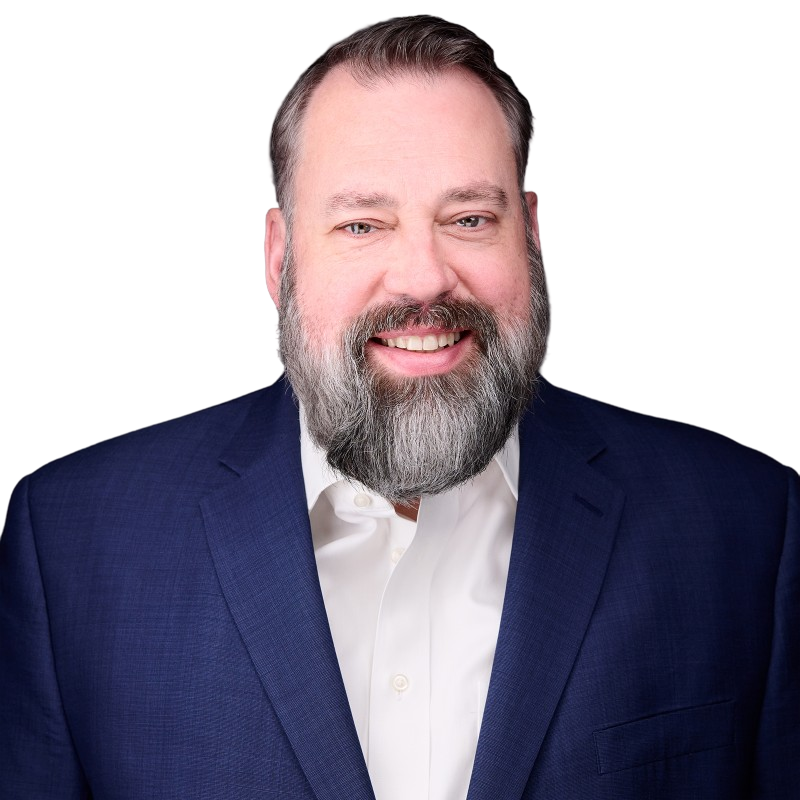
Your support helps equip the front lines and strengthen survivor care partners.
DONATE NOW